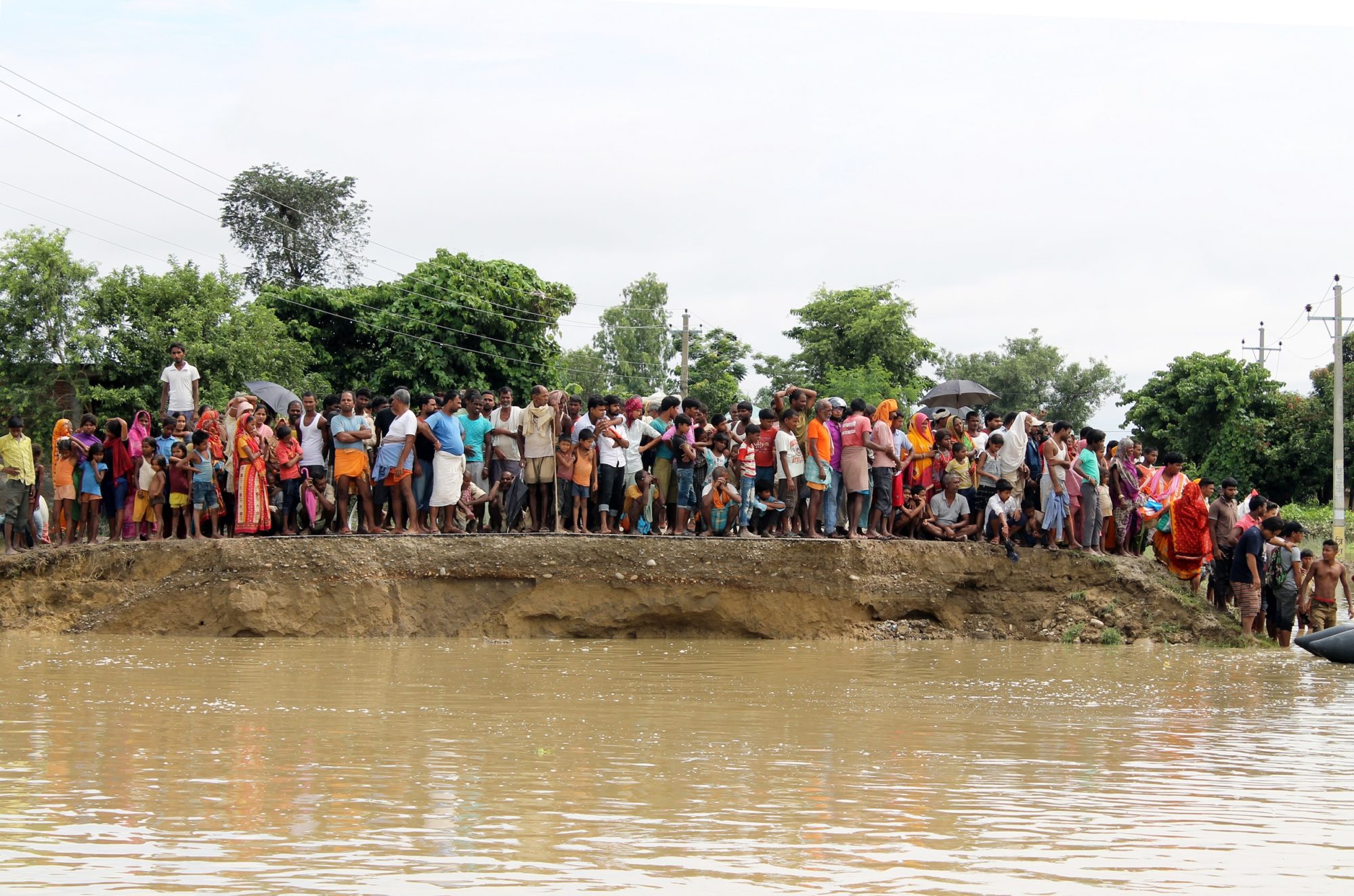
The glacier collapsed on August 26, 2026, sending a brutal wall of ice, mud, and water crashing down the Himalayan river valleys of Nepal and Tibet. Weeks later, the water has receded, leaving thousands of families trapped in a devastating state of limbo. If you are looking for news on the ground, the reality isn't just about the staggering casualty toll exceeding 1,200 dead; it's about the thousands still missing and the agonizing wait enduring in riverbank villages and capital city temples.
When disaster strikes hard-to-reach terrain, the search for survivors quickly turns into a desperate race against time, thick debris, and destroyed infrastructure. Nearly 40 kilometers of roads and dozens of bridges were wiped out in an instant, cutting off rescue columns from reaching places like Trishuli and Syabrubesi. For families sitting by the Bagmati River or waiting outside local district offices, every hour stretches into an eternity.
Why the Waiting Hurts the Most
Standard disaster responses rely on recovery and identification. But what happens when the river doesn't yield bodies? In the wake of the Nepal-Tibet flash floods, authorities faced a grim logistical nightmare. Police and local officials struggled to store thousands of recovered victims because many were severely decomposed or fragmented. Out of over 1,300 bodies recovered in the early stages, the vast majority had to be buried temporarily in unmarked or mass contexts just to manage public health risks, with fewer than ten percent formally identified right away.
This reality forced grieving relatives into agonizing choices. At Kathmandu's famous Pashupatinath Temple, families who spent days scouring mud-choked tunnels and riverbanks began performing symbolic last rites. Using effigies crafted from sacred kusha grass, relatives carried out traditional cremations without a physical body present. It's a heartbreaking scene reminiscent of historical tragedies, yet uniquely cruel for those who hold onto a sliver of hope that their loved one might still be trapped alive somewhere deep inside a flooded hydropower tunnel.
A Gllimmer of Hope Amid the Mud
Not every story ends in absolute silence. Days after the disaster, rescue operations yielded stunning moments of survival. Engineering personnel trapped deep inside dark, mud-blocked hydro project tunnels were pulled out alive after nearly ten weeks—er, days—of continuous searching, proving that pockets of air and stubborn resilience can outlast catastrophe.
Those rare survivals feed an intense psychological tension. When two engineers emerge from a 170-meter deep tunnel after nine days, every family with a missing relative thinks their own son, mother, or spouse might be the next face seen in the sunlight. That flickering hope keeps people glued to checkpoints and glued to updates from the Nepal Army and Armed Police Force.
What the Authorities Are Facing Now
The scale of this Himalayan disaster exposes major vulnerabilities in regional infrastructure planning. The Lhende Khola river system has flooded multiple times in recent years, driven by rising temperatures and unstable glacial formations. Hydropower stations, tourist routes, and remote mountain communities bear the brunt of an environment changing faster than policy can adapt.
Recovery teams are shifting from immediate rescue to long-term clearance and identification. DNA profiling and personal effects are slowly being matched, but for hundreds of foreign pilgrims, tourists, and local workers, closure remains out of reach.
If you are following the aftermath or trying to support families affected by the catastrophe, keep in mind that immediate donations to humanitarian groups like the Nepal Red Cross or official consular assistance lines provide the most direct lifeline. The physical water may be gone, but the wait for answers is far from over.