The rules of energy security are breaking down in real time. When Tehran launched fresh threats of economic retaliation against Washington alongside coordinated Houthi strikes hitting targets in Saudi Arabia, it wasn't just another routine geopolitical spat. It was a direct signal that the choke points carrying the world's oil are turning into permanent battlegrounds.
If you trade commodities, manage supply chains, or just watch fuel prices spike at the pump, this escalation demands immediate attention. Let's look past the political posturing to see what's actually happening on the ground in the Persian Gulf.
The Reality of the Strait of Hormuz Standoff
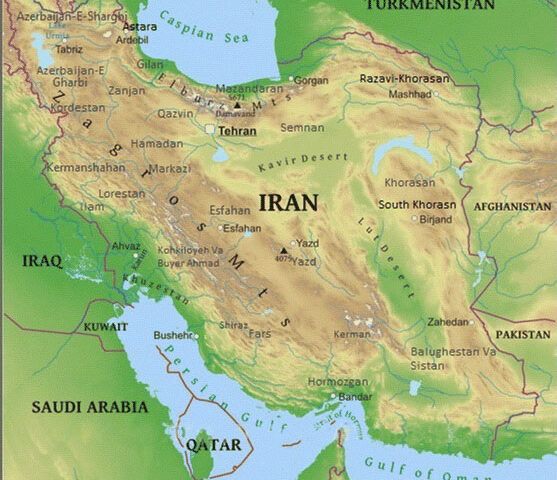
You cannot talk about Middle Eastern conflict without talking about geography. Roughly twenty percent of global oil and liquefied natural gas passes through the narrow Strait of Hormuz. For months, Washington has tried to maintain a secure corridor for cargo ships, but Tehran's strategy relies on asymmetrical disruption.
Iran's Supreme National Security Council made it clear that any maritime traffic passing through upcoming restricted zones will face immediate sanctions and interdiction. They're backing these warnings up with upgraded hardware, including the Qassem Basir ballistic missile.
- Traditional naval patrols are struggling to protect every commercial vessel.
- Insurance rates for tankers transiting the Gulf have skyrocketed.
- Shipping schedules are facing continuous rerouting and delays.
This isn't theory. Tanker traffic has slowed down noticeably, and energy markets react instantly every time a new missile test or regional strike hits the news wire.
Understanding the Houthi Factor in Saudi Arabia
The conflict isn't contained to naval waters. Houthi militia forces launched aggressive drone and missile strikes reaching deep into Saudi territory, wounding dozens and hitting vital infrastructure near border crossings.
Washington's stated objectives for Operation Epic Fury aimed to completely dismantle Iran's nuclear ambitions and stop proxy attacks across its neighbors. Yet, months into the campaign, the clerical leadership in Tehran remains entrenched. They are using allied regional groups to pressure Gulf states economically and politically.
When Saudi infrastructure takes hits, global energy markets shudder. The ripple effects stretch straight to Western economies, where high fuel prices continue to complicate domestic political landscapes and voter sentiment.
What This Means for Global Markets and You
Stop treating foreign policy news as background noise. If you're running a business dependent on imported materials, or managing investments tied to energy sectors, volatility is the baseline for the foreseeable future.
Here are the practical steps to handle the current climate:
- Audit your supply exposure: Identify whether your logistics depend on maritime routes passing through volatile Middle Eastern waters.
- Hedge energy costs: Expect sudden price spikes whenever new restrictions are announced in the Persian Gulf. Lock in contracts where possible.
- Monitor sanction updates: New maritime exclusion zones mean compliance risks are shifting daily. Keep legal and trade advisors on standby.
The window for passive observation has closed. Watch the Gulf closely because the next move in this economic chess match will hit your bottom line.