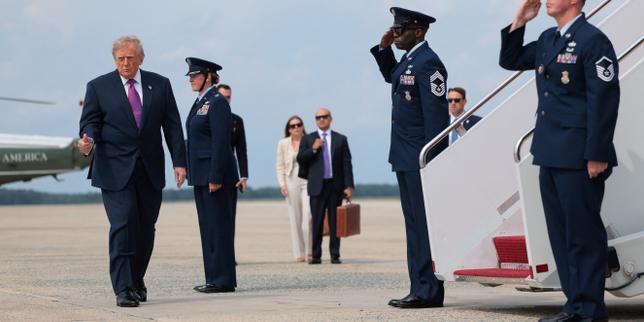
You have probably heard the claim by now. Donald Trump insists that Vladimir Putin has zero intentions of expanding the war into NATO territory. But does this statement hold up against the backdrop of rising tensions, hybrid threats, and recent security incidents across Europe?
Let’s look past the political posturing. The debate over whether Russia poses a direct military threat to Western alliances remains one of the most divisive issues in modern geopolitics. While leaders in Berlin and other European capitals sound alarms over hybrid warfare and regional provocations, Washington often views the situation through a completely different lens.
The Reality Behind the Rhetoric
When Donald Trump states that he knows Putin well and that the Russian leader won't cross that specific line, it shifts the entire conversation away from conventional defense planning. You see, the strategy relies heavily on personal diplomacy rather than worst-case military contingencies. Trump has repeatedly pointed to his direct lines of communication, arguing that personal rapport prevents the worst-case scenarios from materializing.
Yet, European intelligence agencies view things differently. Incidents involving mysterious drone sightings near critical infrastructure, cyberattacks targeting government networks, and border provocations keep security officials on edge. Berlin recently pointed fingers at Moscow following specific security breaches, illustrating a clear disconnect between the assessment coming from Washington and the daily anxieties faced by frontline European states.
What the Experts Miss
Most mainstream commentary treats the threat as a binary choice: either a full-scale conventional invasion of a NATO member state, or absolute peace. That’s a false narrative. Modern conflict rarely starts with marching armies crossing a recognized border. Instead, it plays out in the gray zone.
- Cyber operations targeting financial and public institutions.
- Sabotage of critical subsea cables and energy pipelines.
- Information warfare designed to erode public trust in democratic systems.
These actions test the boundaries of Article 5 without triggering a traditional military response. When politicians debate whether Putin will "attack" NATO, they often ignore the fact that a form of hybrid friction is already happening every single day.
Moving Past the Headlines
If you want to understand where this situation is heading, stop listening solely to the public declarations. Watch how European nations reinforce their eastern flanks, upgrade their domestic cybersecurity frameworks, and handle critical supply chains independently. The rhetoric changes daily, but the underlying defense preparations tell the true story of how vulnerable Europe feels right now.
Prepare your own risk assessments based on operational realities rather than political assurances. Diversify your information sources, monitor hybrid threat reports from credible defense think tanks, and stay realistic about the shifting security climate.