Thousands of foreign nationals lived through the trauma of September 11, 2001, in New York City, and a surprising number of them were Australians. They weren't just distant tourists watching the catastrophe unfold on television sets half a world away; they were living, working, and walking the Manhattan streets when the world shifted entirely on its axis.
If you look back at that fateful day, the narrative is usually dominated by American voices, local emergency responders, and national political figures. But the expat experience—specifically the perspective of Australians caught in the chaos—offers a distinct window into a global tragedy that reverberated intensely across the Pacific.
The Expat Reality in Manhattan
In the late summer of 2001, New York was home to a vibrant, bustling community of Australian expats. Many worked in finance, media, fashion, and hospitality, drawn to the relentless energy of the city. They lived in Brooklyn, the West Village, and lower Manhattan, treating the World Trade Center towers not as tourist attractions, but as familiar urban landmarks used for navigation.
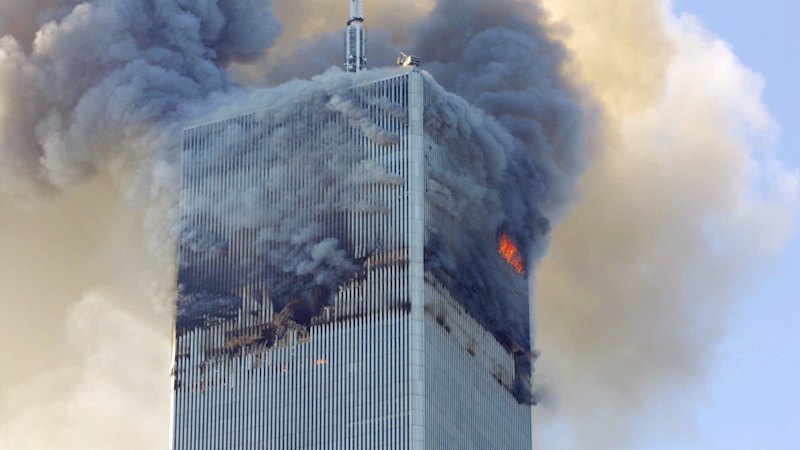
When the first plane struck the North Tower at 8:46 a.m., thousands of foreign workers were commuting, grabbing coffee, or settling into offices nearby. The sudden shift from a crisp, beautiful Tuesday morning to apocalyptic smoke and ash was disorienting for anyone, but for expats thousands of miles from home, the panic carried an extra layer of isolation. International phone lines jammed instantly. Local communication networks collapsed. Back in Australia, family members woke up to morning news broadcasts showing flames engulfing buildings where they knew their children, siblings, or partners lived.
The Immediate Aftermath and Finding Safety
Chaos defined the hours following the collapses. Streets filled with gray dust, panicked crowds moving north away from the financial district, and sirens wailing in a city cut off from normal operations. Australians caught in downtown Manhattan faced immediate decisions regarding shelter, communication, and safety.
Many found refuge in the apartments of local colleagues or opened their own doors to stranded friends. Consular services and the Australian diplomatic missions worked overtime to track down citizens and establish contact lists, while local expat networks mobilized informal check-ins via early email chains and intermittent landline calls.
How the Tragedy Changed the Australian Expat Community
The physical cleanup of lower Manhattan took months, but the psychological impact on the foreign community changed how expats viewed their adopted home. For many Australians, surviving the day forged a permanent bond with New York City. Rather than packing their bags and fleeing back down under, a significant number chose to stay, deeply integrated into a healing metropolis.
At the same time, the event forced a reckoning with security, global mobility, and the fragility of expatriate life. Visa processing tightened, international travel changed overnight, and the carefree era of global movement hit a sudden wall.
If you talk to the Australians who were there, they don't claim special status above any other survivor. Their stories are simply pieces of a massive, global mosaic of grief, resilience, and survival that defined a generation.