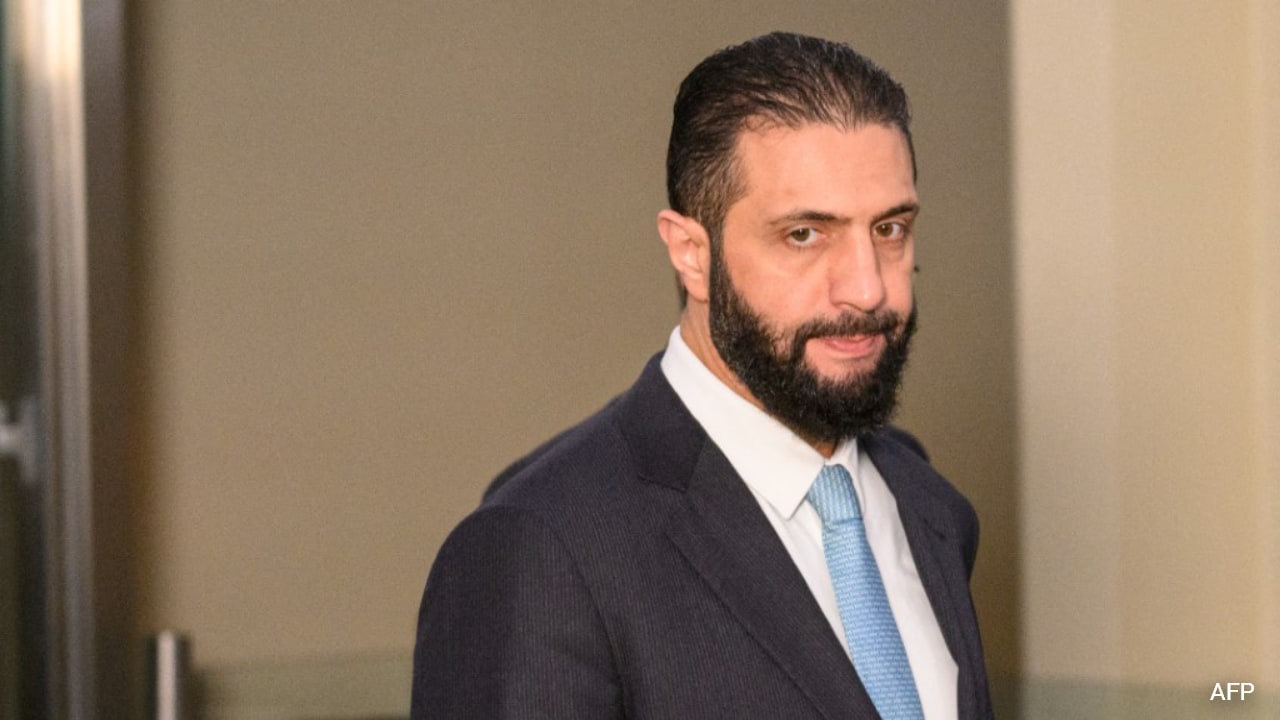
Syrian President Ahmed al-Sharaa just did something few people expected. He signed Decree No. 164, naming Mazloum Abdi—the former head of the Kurdish-led Syrian Democratic Forces (SDF)—as a presidential adviser.
If you've been following the shifting dynamics in the Middle East since the fall of Bashar al-Assad's regime in late 2024, you know this move marks a massive tectonic shift. Just days after Abdi announced the formal dissolution of the SDF and its absorption into the central military apparatus, Damascus is pulling its former rival directly into the inner circle.
Let's break down what this appointment actually means, why it happened now, and what comes next for a fractured nation trying to stitch itself back together.
The Reality Behind the SDF Dissolution
For over a decade, the SDF operated as the de facto military authority across northeastern Syria. Backed heavily by the United States, they carved out a semi-autonomous zone while spearheading the ground campaign against the Islamic State.
When al-Sharaa's rebel coalition took Damascus, everyone knew a reckoning was coming. The central government made it clear that a patchwork state couldn't survive. Integration talks sputtered and stalled for over a year.
Then came the lightning government offensive in January. State forces pushed into Raqqa and Deir Az Zor, shifting the military balance completely. That pressure forced a 14-point integration plan, culminating in Abdi's announcement that the SDF was hanging up its separate banner to merge with the Syrian army.
Mazloum Abdi isn't the only Kurdish figure landing a state job. Sipan Hamo, another high-ranking commander, was previously named deputy defence minister. Damascus is attempting a balancing act: dismantling independent armed factions while carving out administrative seats for former adversaries to prevent a guerrilla insurgency in the east.
What Mazloum Abdi Brings to Damascus
Appointing Abdi as an adviser to the presidency is a calculated risk. Is it a purely ceremonial title designed to keep northeastern factions quiet? Or will he genuinely shape policy?
Right now, nobody outside the presidential palace knows for sure. But the symbolism is loud. Al-Sharaa wants to project an image of an inclusive government—one that stretches beyond the rebel factions that marched into the capital in December 2024.
Remember, the road here wasn't smooth. Earlier proposals offered Abdi the role of deputy defence minister and the governorship of Hasakah province. He turned down or negotiated past those initial offers before settling into this advisory post following the total collapse of separate command structures.
Turkey is watching this very closely. Ankara has long labeled the core elements of the SDF as extensions of the outlawed Kurdistan Workers' Party (PKK). While Turkey welcomed the formal dissolution of the SDF, bringing Abdi right into the Syrian presidency will test diplomatic lines between Ankara and the new administration in Damascus.
What Happens Next for Northern Syria
Merging tens of thousands of fighters into the official Syrian Ministry of Defense is messy work. Uniforms, chains of command, payroll, and regional security protocols cannot be rewritten overnight.
For ordinary citizens in cities like Hasakah, Qamishli, and Raqqa, the primary concern isn't political titles. It's basic stability. They want to know if local institutions will function, if public sector salaries will clear, and whether security forces will protect them from lingering militant threats.
Al-Sharaa's broader domestic strategy has included landmark decrees recognizing the Kurdish language and restoring citizenship rights to marginalized populations. Those steps matter. Without them, an advisory role for Mazloum Abdi would look like little more than a hollow PR stunt.
Keep your eyes on how rapidly military integration actually happens on the ground in the eastern provinces. If the transition holds, Syria might finally achieve nominal territorial unity for the first time in over a decade. If it fractures, advisors in Damascus won't matter at all.