The United States is burning through precision-guided weapons faster than its factories can build them. A mandatory report from the Pentagon inspector general confirms that the military campaign against Iran has drained strategic munitions inventories, exposing deep industrial bottlenecks that top officials spent months denying.
Operation Epic Fury has cost billions. The numbers tell a brutal story.
Between February 28 and June 30, total documented costs hit $33.4 billion. Out of that staggering sum, $22.3 billion went directly toward expended munitions. When you fire thousands of interceptors and precision strikes against complex regional threats, the stockpiles empty out fast.
The Reality Behind the Inventory Shortfalls
For months, Washington leadership insisted that weapons reserves were fine. Defense Secretary Pete Hegseth and administration officials pushed back against reports of empty shelves. They claimed the country possessed massive stockpiles and that manufacturing lines were running at peak capacity.
The inspector general report paints a different picture. It explicitly states that the high rate of weapons expenditure created "strategic inventory shortfalls."
Why are factories struggling to keep up? The defense industrial base faces severe constraints. Workers cannot churn out complex components overnight. Shortages of solid rocket motors, high-grade explosives, propellants, and skilled manufacturing labor have choked off rapid resupply efforts. When a conflict drags on through the summer instead of wrapping up in a few weeks, these supply-chain realities hit hard.
Beyond the Ammo Crunch: Equipment and Base Losses
The munitions crunch is only part of the damage. The watchdog report provides a rare, detailed accounting of physical losses across the Middle East.
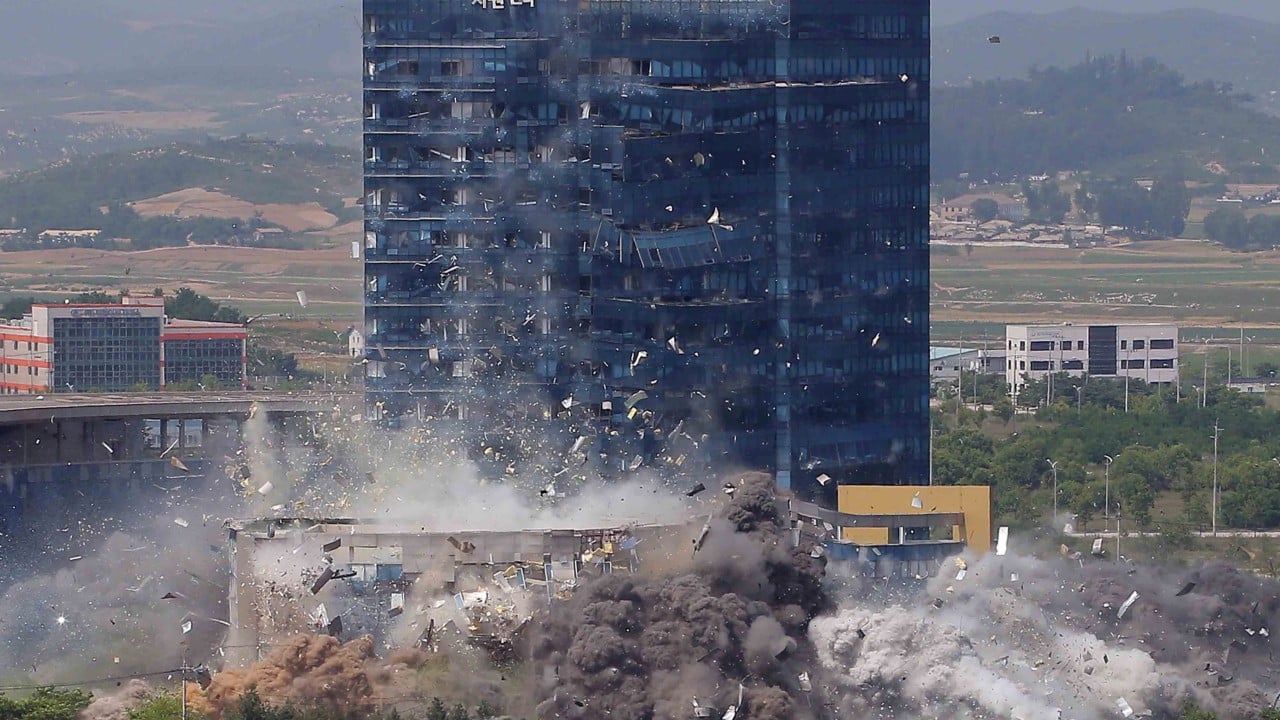
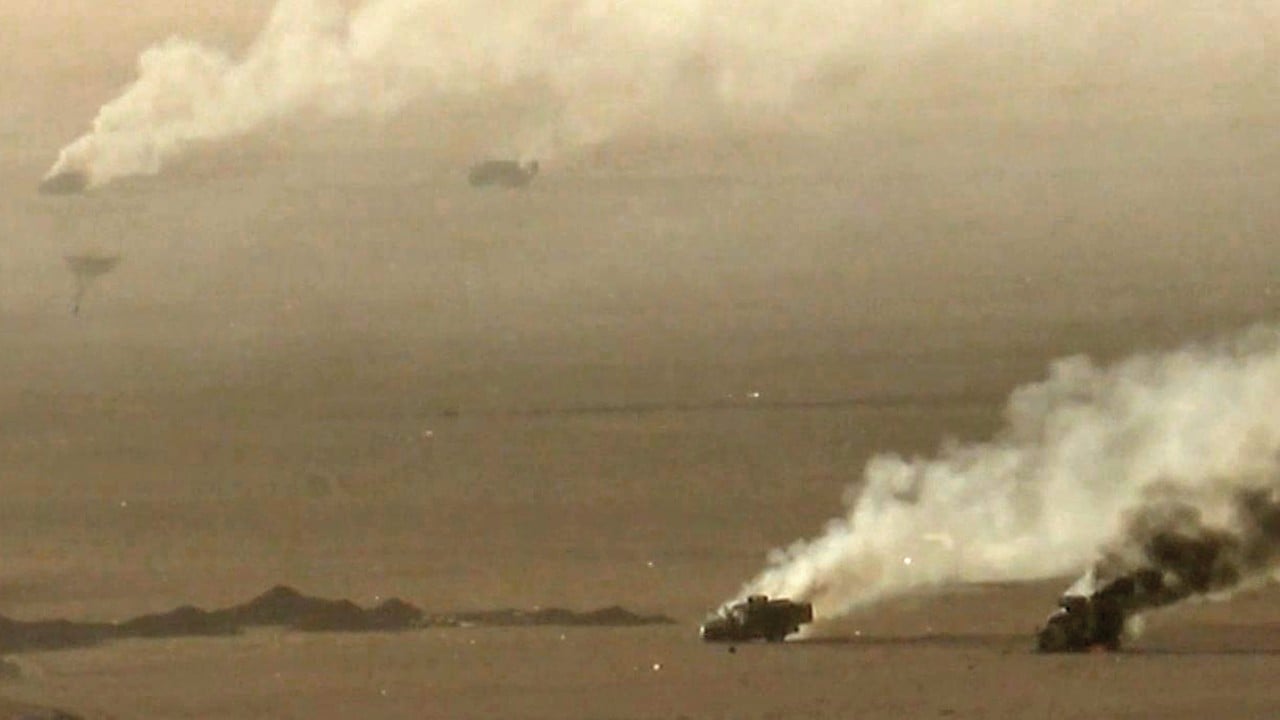
Iran's retaliatory strikes targeted American logistics hubs, airbases, and surveillance assets across Kuwait, Bahrain, Qatar, the UAE, Saudi Arabia, Iraq, Oman, and Jordan. Hundreds of buildings and structures at US military installations took hits.
Consider the hardware losses:
- As many as 30 MQ-9 Reaper drones were destroyed or lost.
- Four F-15E fighter jets were taken out of service, including three lost to friendly fire over Kuwait and one in combat over Iran.
- Multiple support and transport platforms took heavy damage, including seven KC-135 aerial-refuelling tankers.
- Infrastructure damage extended to diplomatic facilities, with outposts in Iraq, Kuwait, Saudi Arabia, and the UAE racking up $184 million in repairs.
Naval logistics also hit snags. Shifting primary support operations to Diego Garcia created massive supply loops. Extended sea transits stretched logistics cycles to nearly three weeks, complicating fleet resupply across the theater.
What This Means for Future Defense Policy
You cannot fight a sustained high-intensity conflict in the Middle East without draining the national magazine. The Pentagon is currently scrambling to streamline procurement, stockpile critical materials, and speed up production lines.
The White House submitted an $87.6 billion emergency funding request, allocating billions specifically for urgent munitions replenishment. Yet, money alone cannot buy manufacturing time. Building new defense plants and training specialized labor takes years, not weeks.
The illusion of infinite military readiness is gone. The real test now is whether industrial output can outpace future regional contingencies before stockpiles hit a dangerous floor.