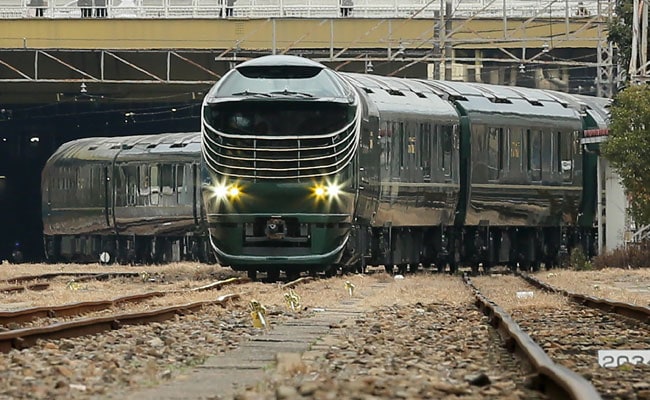
Four lives vanished in seconds at Shin-Kanuma Station. A routine weed-spraying task on the Tobu Nikko Line turned into a nightmare when an express train struck a maintenance crew. It’s a gut-wrenching event that hits hard. Japan’s railway network is famously the safest in the world. People usually trust the system implicitly. This tragedy proves that even the best systems have gaps.
When you look at the facts, the questions start mounting. The crew was there. The lookouts were present. The train was coming. Why didn't they move?
The anatomy of a railway failure
Railway maintenance isn't just about labor. It's about rigid protocols designed to eliminate human error. In Japan, these rules are almost military in their precision. You have workers on the track, and you have designated lookout personnel. Their only job is to watch for incoming trains. They signal the train driver, who acknowledges with a horn. The workers then clear the tracks.
That is how it is supposed to work every single time. It failed on Thursday.
The Tobu Railway Co. officials are currently looking into the breakdown. Were the lookouts distracted? Was there a breakdown in communication? Did the crew misjudge the train's speed? These aren't just academic questions. They are life-or-death variables.
Some might call this a freak accident. I call it a systematic collapse of a safety barrier. When you have three lookouts assigned to a job, you expect a buffer zone that prevents tragedy. The fact that the crew was hit while performing routine herbicide spraying is, honestly, infuriating. It’s a low-risk task, but it requires high-level vigilance.
Understanding the risks of track maintenance
Working on active tracks is incredibly dangerous. I’ve seen enough operational safety reports to know that the margin for error is non-existent. You’re dealing with massive, fast-moving steel, often obscured by noise or line geometry.
Maintenance crews operate under extreme pressure. They have to keep tracks clear and operational while managing the demands of an incredibly tight train schedule. This creates a high-stakes environment where fatigue or complacency can easily creep in.
The Tobu Nikko Line is busy. It isn't an abandoned spur. Drivers expect clear tracks. Workers expect alerts. When those two expectations collide, you get disasters.
The human element in safety protocols
The most frustrating part of this incident is the missing answer. Why didn't they evacuate? It’s not about blaming the victims. It’s about understanding the psychology of the workplace. Sometimes, teams get into a rhythm. They think they have "just a few more seconds" to finish a task. That’s when accidents happen.
Safety isn't just about rules in a handbook. It's about culture. If the culture shifts even slightly toward finishing the job faster, safety takes a back seat.
Moving forward after the tragedy
Tobu Railway has apologized. That’s expected. Takao Suzuki, their division head, promised preventive measures. But that won't bring those four workers back.
The industry needs to stop treating lookouts as a passive role. They need better equipment. Maybe it’s time for automated sensors that don't rely on human eyes or flags. We have the technology to track trains with pinpoint accuracy and alert every worker on the ground instantly. If the industry continues to rely solely on human signaling, these accidents will keep happening.
Reliability is Japan’s brand, but it’s fragile. One broken link, one missed signal, one distracted second, and the whole system fails.
The investigation will continue, and the police will parse the details of what went wrong at Shin-Kanuma. The public deserves transparency, not just empty corporate apologies. Until the railway companies prioritize aggressive technological upgrades over human-only signaling, the tracks remain a dangerous place for those who keep them running.
Stay vigilant. Procedures only work when they are followed with absolute, unwavering discipline. When they are not, the consequences are final.