Dozens of artisanal miners are dead and many more remain trapped following a catastrophic series of shaft collapses at the al-Zaraa mine near al-Nuhud town in Sudan's West Kordofan state. Estimates from monitoring groups and local medics place the death toll between 67 and over 80 people, highlighting a persistent crisis born from unregulated mining practices in conflict zones.
When the interconnected network of shallow and deep shafts gave way, survivors were left to claw through loose sandy soil using only hand tools. Heavy machinery simply doesn't exist on-site to lift heavy rubble, leaving trapped workers stranded at depths exceeding 30 meters.
Why Informal Mining in West Kordofan Is a Disaster Waiting to Happen
Sudan stands as one of Africa's top producers of gold, but the vast majority of that wealth comes from dangerous, informal operations rather than structured corporate entities. At sites like al-Zaraa, thousands of independent workers flock to disused or makeshift fields hoping to make a living.
They dig haphazardly. They shore up tunnels with scrap wood or leave them entirely unsupported. Because the shafts are packed tight against one another, a single structural failure triggers a domino effect. When one wall collapses, it pulls down the adjacent tunnels instantly.
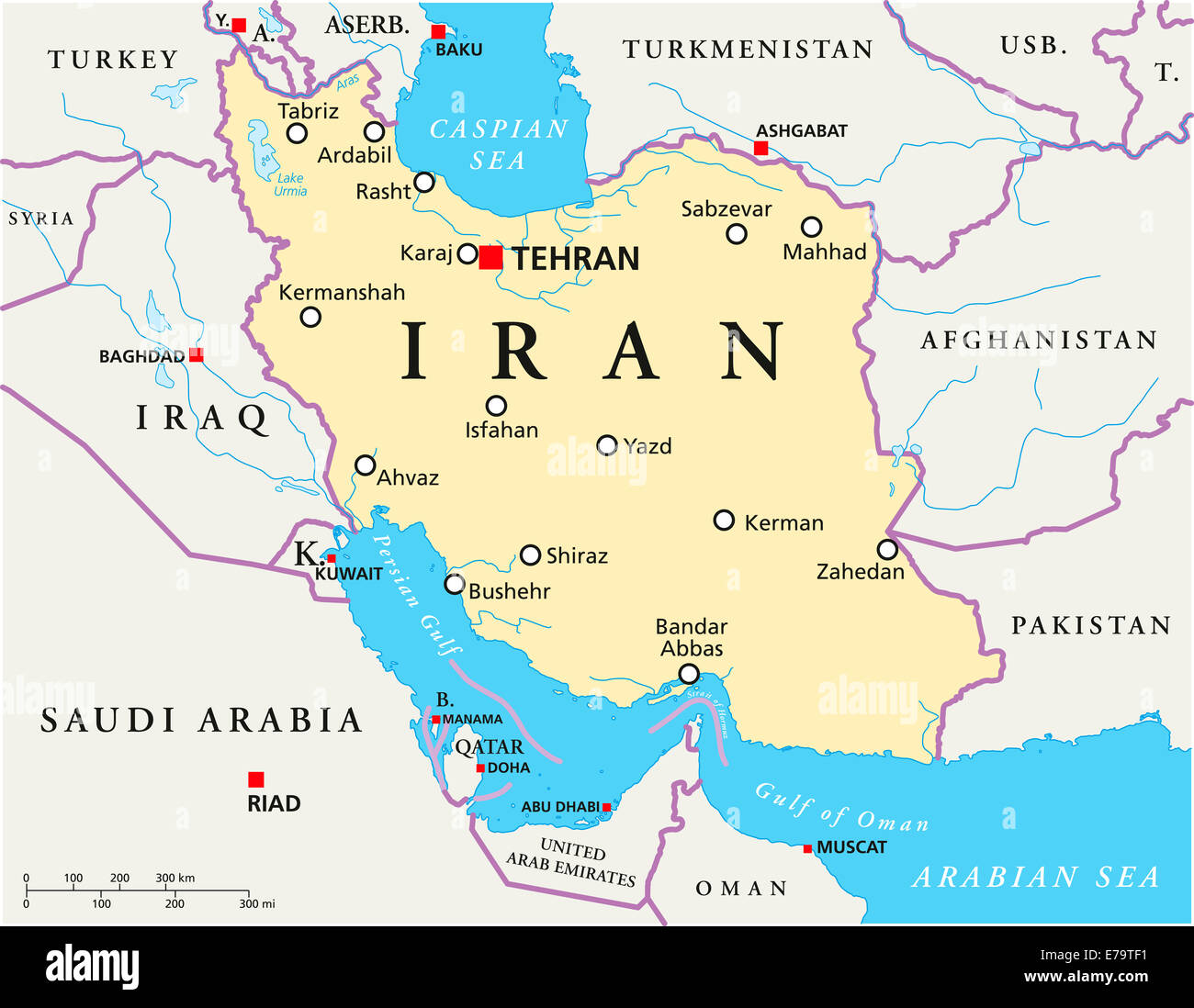
The geography of the region complicates matters further. West Kordofan remains heavily contested and is currently held by the paramilitary Rapid Support Forces (RSF), which has been locked in a brutal civil war with the Sudanese army since April 2023. Smuggled gold functions as a critical financial lifeline for armed groups controlling these territories, creating a system where oversight is nonexistent and worker safety is entirely ignored.
The Agonizing Search Operation
Rescue efforts depend almost entirely on survivors and local volunteers who lack basic safety gear or emergency medical training. Men like Khair al-Sayyed Jabara spent hours digging through the night with basic implements, knowing friends and relatives remained buried beneath tons of dirt.
"We don't know how many more are still inside," Jabara noted, pointing out the absolute absence of organized, specialized rescue teams in the immediate aftermath.
Medical groups like the Khartoum-based Sudan Doctors Network have strongly condemned the gross negligence governing these remote extraction zones. They argue that turning a blind eye to basic safety standards transforms routine economic survival into a fatal gamble. Without structural reinforcement, proper ventilation, and immediate access to professional extraction equipment, tragedies like the al-Zaraa collapse will keep repeating.
What Needs to Change
Fixing an industrial crisis rooted in an active civil war is an immense challenge. However, humanitarian organizations and local monitoring bodies stress several immediate steps to prevent future loss of life:
- Deploying emergency excavation equipment to remote mining sectors to assist civilian volunteers in reaching trapped individuals.
- Enforcing basic structural guidelines and prohibiting tightly packed, intersecting shafts that guarantee structural failure.
- Establishing independent medical triage stations near major informal mining camps to treat injuries and address chemical exposure risks from rudimentary processing.