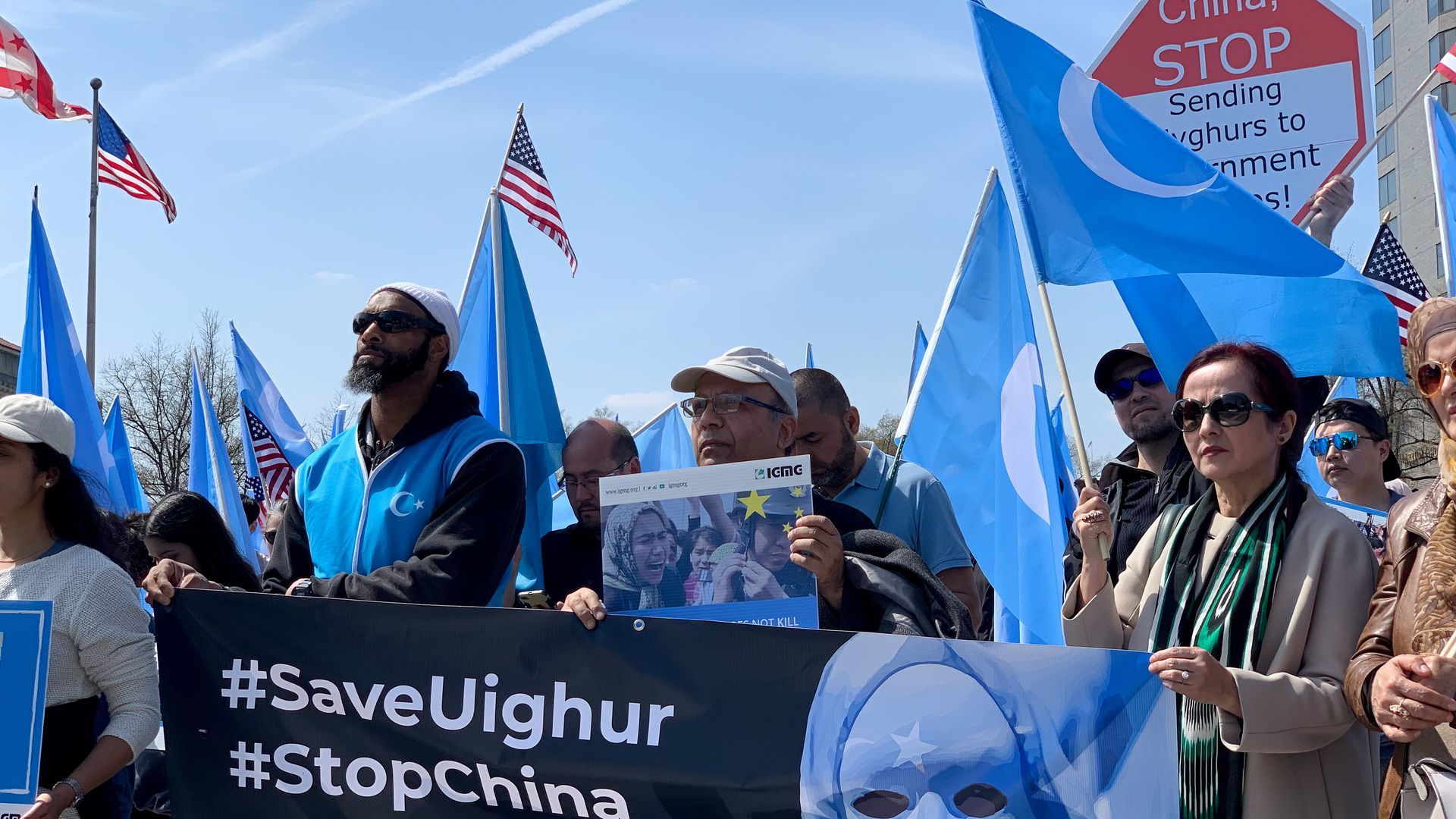
Laws don't get written in a vacuum. When Beijing rolled out its "Ethnic Unity" legislation, it didn't take long for advocacy groups to sound the alarm. If you look past the bureaucratic framing of harmony and integration, you find a framework designed to accelerate the complete erasure of Uyghur culture, language, and tradition in Xinjiang.
Rights organizations like Campaign for Uyghurs and Human Rights Watch haven't minced words. They point out that this law codifies decades of systematic pressure into formal legal mandates. It turns cultural assimilation into a state obligation. For anyone paying attention to the region over the last ten years, this isn't a surprise. It's just the next logical phase of a tightening grip.
What the Ethnic Unity Law Actually Does
Strip away the state rhetoric, and the reality hits hard. The legislation formalizes state control over everyday life, religious expression, and linguistic heritage.
Uyghur rights advocates point to specific provisions that penalize traditional practices under the guise of counter-extremism or social cohesion. When speaking your native language or observing centuries-old customs gets categorized as a threat to "ethnic unity," survival becomes an uphill battle.
- Language Restrictions: Classrooms and public spaces face continuous pushes toward Mandarin-only mandates, squeezing out the Uyghur language.
- Cultural Surveillance: Community gatherings, weddings, and traditional clothing face intense monitoring or outright bans if they stray from state-approved standards.
- Institutionalized Assimilation: Legal codes now mandate that minority groups conform to a singular national identity defined by the majority culture.
A Decade of Escalation in Xinjiang
Human Rights Watch recently marked a grim milestone. Ten years have passed since the sharpest escalation of state abuses in the Xinjiang Uyghur Autonomous Region. Mass arbitrary detentions, high-tech surveillance systems utilizing facial recognition, and forced labor programs didn't happen overnight. They evolved into a vast network of control.
The new legal framework acts as a rubber stamp for these ongoing practices. It legalizes what was previously implemented through ad-hoc administrative decrees or extrajudicial camps. When you codify repression into law, challenging it becomes legally impossible for local residents.
Why International Pressure Stalls
Global leaders issue statements, but tangible action remains frustratingly slow. Economic ties with Beijing complicate diplomatic responses. Sanctions exist on paper, but enforcement varies wildly across major trade partners.
Uyghur diaspora groups argue that soft diplomacy doesn't cut it anymore. Real accountability requires targeted import bans on goods tied to forced labor, strict visa restrictions for officials orchestrating these policies, and independent investigations backed by the United Nations. Without heavy economic leverage, declarations of concern ring hollow.
Stop treating these developments as distant bureaucratic changes. Read the reports from ground-level monitors, track legislative shifts in Xinjiang, and support organizations fighting for transparency. Demand that lawmakers move past empty rhetoric and enforce real trade penalties against entities profiting from systemic repression.