Borders are never just lines drawn on maps. They are living, breathing pressure points where geopolitics crashes head-on into human desperation. If you look closely at what keeps happening in Ceuta, you realize it's never an isolated flash of temper. It's a symptom of a deeper, chronic failure in border governance that nobody in power wants to fix properly.
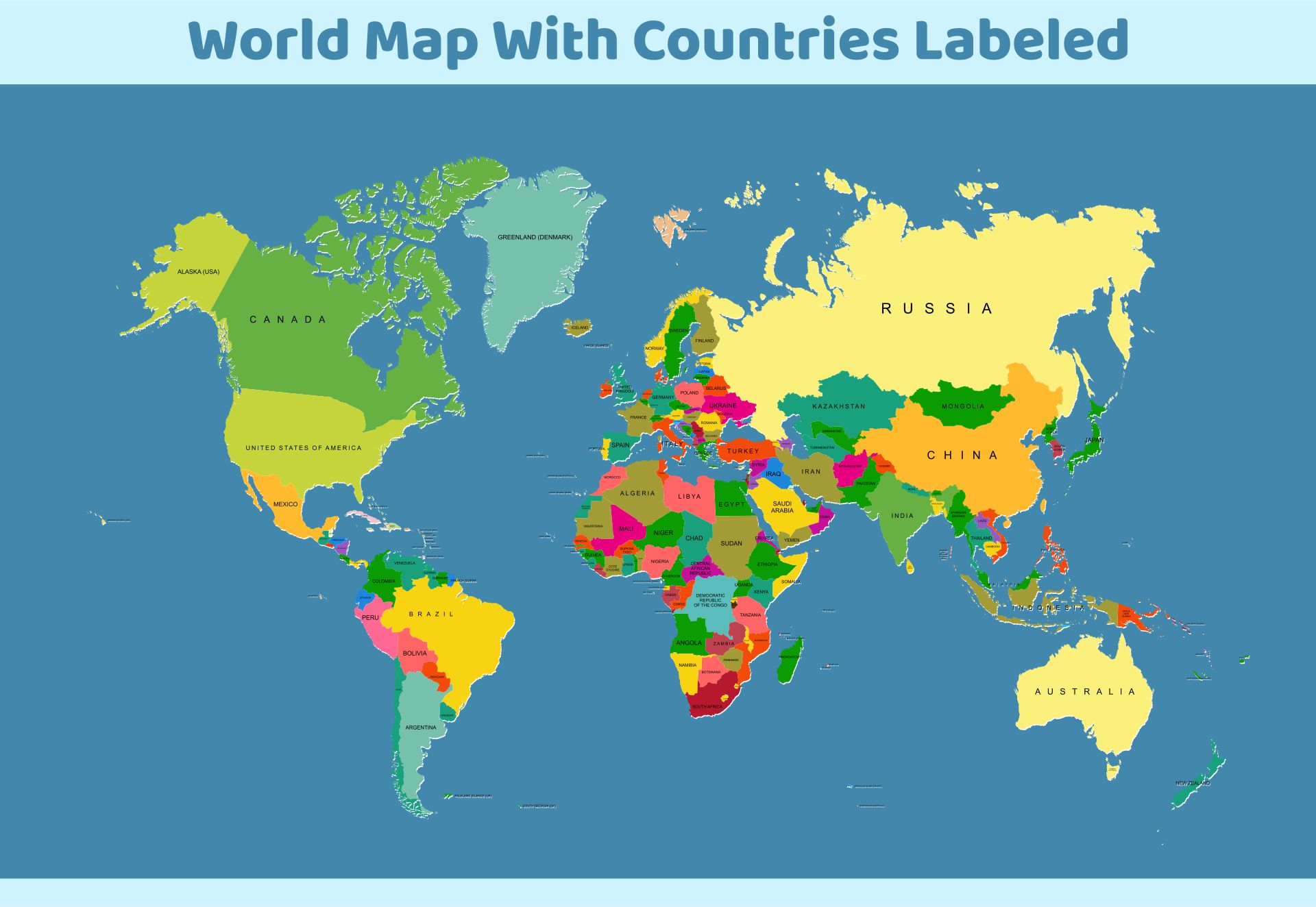
Spain's tiny North African enclave shares land borders with Morocco, making it the only European Union territory on the African continent. That simple geography turns a peaceful coastal strip into a magnet for thousands of people risking everything to reach Europe. When tensions boil over, the media calls it sudden chaos. Anyone watching closely knows it's a slow-burn crisis waiting for a spark.
The Geography of Desperation
Ceuta spans just about 18.5 square kilometers. It's tiny, densely populated, and structurally trapped between the Mediterranean Sea and Moroccan territory. Double-layered high fences, razor wire, and advanced surveillance cameras try to lock the perimeter down tight. Yet, human ingenuity and raw desperation consistently find the cracks.
When economic conditions sour across North Africa or diplomatic ties between Madrid and Rabat hit a rough patch, the border feels the shockwaves immediately. Migrants mass near the fences, hoping for a break. Security forces respond with riot gear, tear gas, and reinforced patrols. Clashes break out because neither side has a viable alternative. People sleeping rough in the hills outside the fence don't care about diplomatic protocols. They want a future, and Europe looks like the only exit door.
Why Border Management Fails Long-Term
Governments love quick fixes. They build higher walls, deploy more police, and sign short-term funding deals to externalize border controls. It doesn't work over the long haul.
- The balloon effect: Tighten security in one spot, and traffic simply shifts to riskier maritime routes or other border zones like Melilla.
- Geopolitical leverage: Migration routes get weaponized during diplomatic disputes. Borders become bargaining chips.
- Economic roots: No amount of razor wire stops someone escaping extreme poverty or lack of opportunity if they believe the alternative is worse.
Honestly, treating a structural human crisis strictly as a law enforcement problem is like trying to plug a leaking dam with chewing gum. You might stop the spray for a minute, but the pressure keeps building underneath.
What Real Policy Change Looks Like
If we actually want to stop the violence rocking places like Ceuta, politicians have to stop playing short-term political theater. Safe, legal pathways for labor migration need to exist so people aren't forced to throw themselves at razor wire. Regional economic partnerships must target real job creation in countries of origin. Border guards need human rights training alongside riot control gear, and processing centers must handle asylum claims efficiently rather than letting human beings languish in legal limbo for months.
Until Europe and its neighbors address the root causes instead of just reacting to the smoke, the fire will keep burning. Ceuta will remain a constant reminder that walls only hide problems; they never solve them.
Ceuta Clashes: Migrant Crisis Triggers Chaos in Spain's Enclave
This video provides on-the-ground visual context of the recent unrest, police confrontations, and heightened border tensions surrounding the enclave.
http://googleusercontent.com/youtube_content/1