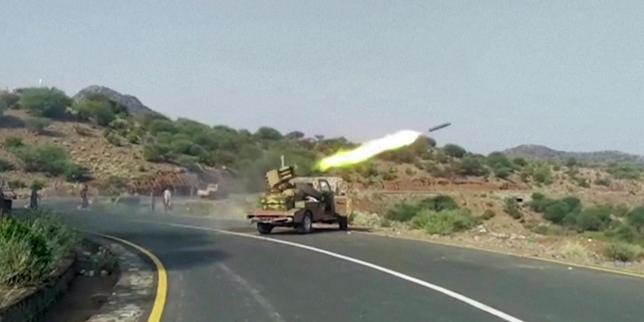
You can't bomb an ideology into submission, and Washington is finally learning that the hard way. If you look at the current military standoff in the Middle East, the math simply doesn't add up for a clean military victory. The US and Israel launched major operations against Iran expecting a swift collapse, but reality has aggressively intervened. Iran hasn't surrendered, its regional network remains intact, and the global economic fallout is mounting by the day.
We need to talk honestly about why this conflict is heading toward an inevitable compromise rather than unconditional surrender. Neither side possesses the knockout punch required to rewrite the map on its own terms.
The Myth of Total Victory in Modern Asymmetric Warfare
Traditional military history tells us that wars end in one of two ways. Either one adversary completely obliterates the other, or both sides exhaust themselves into a stalemate under the principle of no victor and no vanquished.
This Gulf conflict defies both rules. It resembles a chaotic, high-stakes exchange where every external strike triggers a direct counter-response. While American and Israeli operations have damaged Iranian infrastructure and leadership structures, the core establishment hasn't crumbled. In fact, pressure often hardens resolve rather than breaking it.
Look at the historical comparison with the severe economic sanctions imposed on Iraq during the 1990s. Analysts often assume that identical isolation strategies will automatically crush Tehran. That view ignores geography and geopolitics. Iran shares expansive land borders with nations like Pakistan, Afghanistan, Turkmenistan, Azerbaijan, and Iraq. Complete commercial suffocation is practically impossible when multiple neighboring states maintain active trade channels and refuse to enforce absolute blockades.
The Strait of Hormuz and the Global Economy Trap
The core objective driving urgent diplomatic intervention isn't even about the original war goals anymore. It's about water.
Freedom of navigation through the Strait of Hormuz turned into a choke point that threatens worldwide financial stability. Energy markets panic whenever shipping lanes face disruption, raising the very real specter of global recession and skyrocketing fuel costs. When insurance rates for tankers spike and regional energy facilities take hits, superpowers realize that local military actions carry an unbearable global price tag.
This dynamic shifts the entire strategic board. The original goals—dismantling missile programs or forcing immediate regime change—take a back seat to keeping oil flowing and preventing international markets from imploding. Leaders in Washington face heavy political pressure from domestic voters ahead of upcoming midterms, alongside frantic warnings from Gulf neighbors tired of bearing the brunt of regional blowback.
Why Regional Mediation is the Only Viable Exit Strategy
Since neither side can achieve total military dominance, diplomacy is the only remaining tool. Regional powers and international players are stepping up to bridge an impossibly wide gap.
Nations like Oman, Qatar, and Pakistan have kept communication lines open, attempting to translate conflicting demands into a workable ceasefire framework. Proposals floated through diplomatic channels often include phased de-escalation, limited sanctions relief, and guarantees on navigation safety. Yet, trust remains near zero. Tehran demands formal international guarantees against future attacks and compensation for wartime damages, while Washington insists on curbs to ballistic capabilities and regional proxy support.
Compromise doesn't mean anyone gets what they want. It means everyone gets just enough protection to back down without losing face.
If you're tracking energy markets or international logistics, stop waiting for a decisive military conclusion. Watch the back-channel negotiations in Islamabad and Doha instead. The trajectory points directly toward a messy, negotiated settlement designed to keep the global economy from breaking.