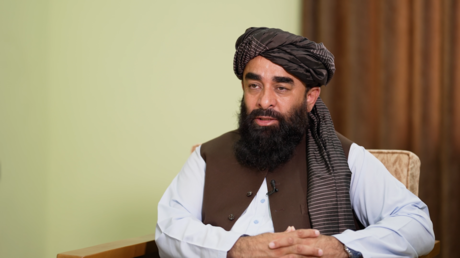
Five years after the chaotic final C-17 cargo plane lifted off from Hamid Karzai International Airport, the debate over the American exit from Afghanistan refuses to die. Zabihullah Mujahid, the chief spokesman for the Taliban administration, recently sat down with media to declare that Afghanistan is "undoubtedly" better off without the United States. He talks about restored independence and self-reliance. But ground realities tell a far more complicated story of an isolated nation grappling with economic ruin, crushing sanctions, and a severe human rights crisis.
If you look past the political rhetoric from Kabul, you find a country caught in limbo. The Western-backed republic collapsed overnight in August 2021. Two decades of military occupation, trillions of dollars in spent capital, and thousands of lost lives vanished in a matter of weeks. The Taliban took back control, expecting an immediate transition to sovereign governance. Instead, they inherited a shattered state heavily dependent on foreign aid, now cut off from global financial systems.
The Diplomatic and Economic Isolation Trap
The Taliban wants normalcy now. Mujahid made it clear that Kabul is pushing for normal diplomatic ties with Washington, including the reopening of the US embassy. They want their frozen central bank assets returned. They want international sanctions lifted.
It's a textbook diplomatic squeeze. The de facto government argues that the war ended half a decade ago, meaning old wartime policies from Western capitals should expire. They want foreign investment, particularly from regional partners like Russia and India, to kickstart infrastructure, energy, and trade projects.
Yet, recognition remains elusive. Moscow maintains working ties, but major global economies keep their distance. Why? Because the Taliban expects international validation without altering its hardline domestic policies.
The Uncompromising Stance on Human Rights
You cannot talk about modern Afghanistan without addressing the sweeping restrictions placed on women and girls. Under the current administration, secondary education, university access, and most forms of employment have been systematically stripped away from women.
When questioned about these policies, Mujahid offered a blunt defense. He argued that Afghanistan has met all normal requirements of statehood and should not face external conditions tied to its domestic rules. In his view, internal laws, religious convictions, and cultural traditions outweigh international human rights pressures.
This creates an unmovable wall in international diplomacy. Western governments have made the restoration of women's rights a non-negotiable benchmark for formal recognition and aid resumption. The Taliban views these demands as an infringement on national sovereignty. Neither side is blinking. Meanwhile, millions of Afghan citizens bear the brunt of this standoff.
What Global Powers Get Wrong About the New Reality
Foreign policy analysts often misread how the current leadership views its position. Western capitals frequently assume that economic pressure will eventually force internal political reform. History suggests otherwise. Sanctions and asset freezes have crippled the formal economy, plunging millions into food insecurity, but they haven't shaken the regime's core ideological stance.
At the same time, regional dynamics are shifting. As the US pivots its strategic priorities toward other global theaters, nations in Asia and the Middle East are quietly pragmatic. They deal with the Taliban out of geographic necessity and security concerns, focusing on border stability and trade corridors rather than human rights metrics.
Moving Forward in a Fragmented Landscape
The future of Afghanistan remains trapped between a regime demanding unconditional recognition and a global community refusing to normalize an authoritarian system that erases half its population from public life.
If you are tracking geopolitical shifts in South Asia, stop expecting a sudden democratic turnaround or a voluntary softening of internal rules. The current setup is entrenched. Watch instead for how regional powers navigate trade deals and whether backchannel diplomacy can slowly reopen humanitarian pipelines without compromising core international standards. Check official diplomatic briefings and regional economic reports to stay informed on real-time shifts in border security and asset negotiations.