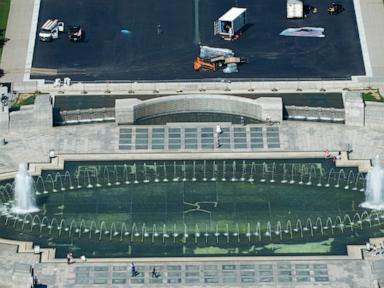
Monuments on the National Mall are supposed to be untouchable symbols of shared history, yet federal cases keep showing how vulnerable they really are. When a federal grand jury handed down an indictment against a visitor from Kentucky for defacing the World War II Memorial, it reignited intense debates over monument security, public vandalism, and how quickly high-profile incidents morph into political lightning rods.
Melissa Farris, a resident of Elizabethtown, Kentucky, found herself facing two federal felony counts after authorities accused her of targeting the iconic site on the National Mall. According to federal court documents and subsequent grand jury actions, the incident unfolded on August 13. Investigators stated that Farris spray-painted the phrase "Clean hands dirty $" onto the stone monument and poured an excessive amount of soap or bubble solution into one of the facility's prominent fountains.
Unlike suspects who try to slip away under the cover of darkness, reports indicate that she stuck around and even recorded parts of the act, openly stating she would wait for law enforcement to arrive. Following her initial court appearance on August 17, she was released under supervision while awaiting further proceedings, culminating in the formal grand jury indictment charging her with destruction of a veterans' memorial and destruction of government property.
The Political Aftermath and Broader Security Concerns
Every time a major landmark in Washington DC takes damage, the political shockwaves hit almost instantly. President Donald Trump took to social media to call out the incident, tying the spray-painting episode to a broader narrative regarding monument protection. On his Truth Social platform, he wrote about the attack on the site and referenced prior concerns over the nearby Lincoln Memorial Reflecting Pool.
The mention of the Reflecting Pool brought back scrutiny regarding separate incidents in the nation's capital. Earlier in the summer, authorities had arrested a former Olympian in connection with damage done to the pool, though the Justice Department later moved to dismiss that specific case after new evidence surfaced that shifted the official perspective on what happened.
The juxtaposition of these events highlights a growing headache for federal park police and security planners. Protecting open-air monuments spread across massive public spaces like the National Mall is an uphill battle. Millions of tourists visit these grounds every year without incident, but it only takes one determined individual with a can of spray paint or a bottle of soap to cause thousands of dollars in cleanup costs and severe aesthetic damage to historical tributes.
What Happens Next in the Legal Process
Federal property damage charges carry serious teeth, especially when directed at protected war memorials. Under federal statutes, destroying a veterans' memorial isn't just treated as regular graffiti or petty mischief. It triggers felony charges that can lead to significant prison time and steep financial penalties if convictions are secured.
Farris's upcoming arraignment will set the procedural tone for how the defense chooses to approach the allegations. Legal experts following the case note that when defendants record their own actions and remain on the scene for arrest, mounting a standard factual defense becomes exceptionally difficult. Instead, legal arguments often pivot toward mental health evaluations or negotiations regarding sentencing guidelines rather than contesting whether the acts occurred.
Protecting public history requires a balance between keeping national landmarks open and accessible to the public and deterring destructive acts. When high-profile vandalism happens, it forces authorities to rethink how closely monitored these spaces should be, and whether physical barriers or increased surveillance will eventually compromise the open, welcoming nature of Washington's most treasured memorials.
Kentucky woman faces felony charges for WWII Memorial vandalism
This video provides an on-the-scene look at the federal complaint and local news coverage surrounding the World War II Memorial vandalism case in Washington, D.C.
http://googleusercontent.com/youtube_content/1


