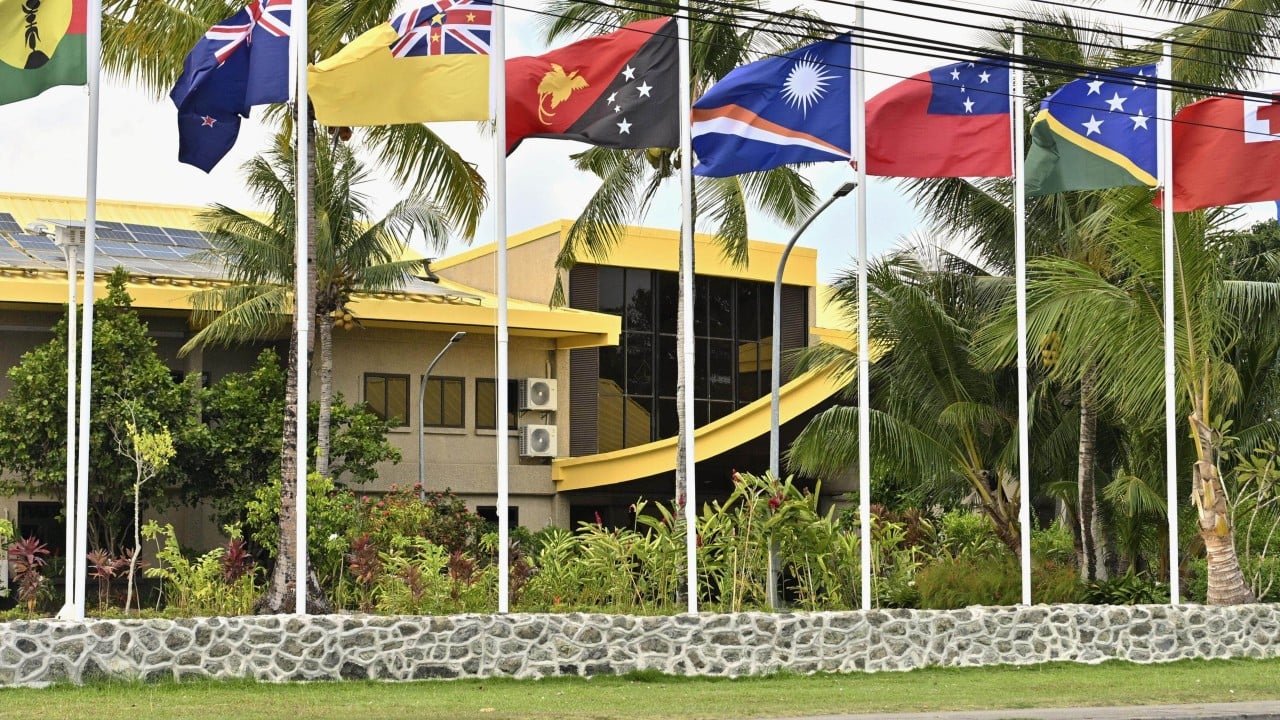
Washington wants to build ports. Beijing wants to fund infrastructure. Meanwhile, Pacific island leaders just want to keep their heads above water—literally and economically.
Every few months, a new delegation from Washington or Canberra flies into the Pacific carrying big checks and bigger warnings. The latest US port pledges are meant to counter China's growing footprint across Oceania. It sounds good in theory. Throw concrete and cash at strategic maritime hubs, and loyalties will naturally follow.
Except it doesn't work that way. Island nations aren't playing the grand game of superpower chess. They are playing survival.
The Catch with Western Infrastructure Promises
Let's look at what actually happens on the ground. When major powers pitch billion-dollar maritime projects, they usually come with heavy strings attached. Environmental reviews, geopolitical litmus tests, and endless bureaucratic delays.
Pacific states like Fiji, Vanuatu, and the Solomon Islands have pressing priorities. Climate change threatens their very existence today. Rising seas swallow coastlines while foreign diplomats debate security pacts.
Beijing understood this urgency years ago. China offered fast financing, direct trade connections, and infrastructure projects that didn't require lectures on governance. When a port or a road gets built quickly, local leaders can point to tangible results.
Washington's counter-strategy relies heavily on security framing. Officials talk constantly about contested waters, dual-use facilities, and strategic deterrence. But local populations care more about fish stocks, shipping costs, and clean energy. If a US port pledge focuses entirely on keeping rival navies out rather than keeping local supply chains moving in, it misses the mark entirely.
Why Island Nations Refuse to Pick Sides
You'll often hear commentators claim that Oceania is turning into a new theater of the Cold War. That narrative is lazy.
Pacific leadership has practiced non-alignment for decades through frameworks like the Pacific Islands Forum. They operate on a simple diplomatic principle: friends to all, enemies to none.
Take the Solomon Islands. Their pivot toward security agreements with Beijing caused absolute panic in Western capitals. Yet, officials in Honiara haven't cut ties with Australia, New Zealand, or the United States. They take aid from everyone. They balance competing offers to squeeze out the best deal for their own domestic development.
When Washington rolls out fresh maritime funding, local leaders will gladly accept the money. They need better docks, upgraded wharves, and modernized logistics. But taking American cash doesn't mean signing up for an anti-China coalition.
What Actually Works in Oceania
If foreign policy planners in Washington want to build lasting influence, they need to drop the zero-sum mindset.
First, listen to local security definitions. For an atoll nation like Tuvalu or Kiribati, national security isn't about aircraft carriers. It is about sea-level rise, food security, and telecommunications cables.
Second, speed matters. Bureaucratic funding models that take five years just to approve a feasibility study are useless against agile competitors.
Finally, stop treating Pacific states as passive pawns. These are sovereign governments with agency, pride, and sharp negotiators who know how to play the room. They will take port investments from the US, trade deals from China, and budget support from Australia simultaneously.
Until foreign capitals understand that Pacific island nations are steering their own ship, every new pledge will just be noise against the tide.