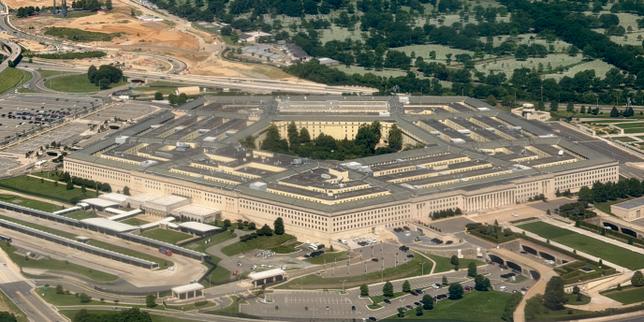
When the Pentagon canned top executives from the historic military newspaper Stars and Stripes, nobody who had been watching the Defense Department's recent media strategy should have blinked. Yet the move sparked a brutal legal showdown. Three fired journalists—Editor-in-Chief Erik Slavin, Middle East reporter Lara Korte, and publisher Max Lederer—took the Department of Defense straight to federal court in Washington. They aren't backing down. They are arguing that their terminations are textbook retaliation for unpalatable reporting and a blatant attempt to throttle independent military journalism.
You have to look at the timeline to understand the raw nerve this case hit. On August 21, 2026, the Pentagon dropped separation notices on the trio, citing insubordination and unauthorized media appearances. But those notices arrived right on the heels of hard-hitting coverage, including an unflattering report detailing deteriorating conditions aboard the aircraft carrier USS Abraham Lincoln. Defense Secretary Pete Hegseth's administration has made no secret of wanting to purge what it brands as ideological distractions inside the ranks. When Slavin and Korte appeared on CBS Sunday Morning to defend the First Amendment and call censorship a red line, the Pentagon treated it as open mutiny. Lederer, facing orders to fire his staff, refused and chose to walk away after a thirty-year career.
The Core Conflict Behind the Lawsuit
Why does this matter beyond bureaucratic infighting inside a single publication? Because Stars and Stripes occupies a bizarre, singular niche. It is partially funded by the federal government, yet its charter mandates total editorial independence. Service members scattered across remote bases from Europe to the Pacific rely on it for unfiltered news that regular commercial outlets rarely bother to cover.
When state funding meets independent reporting, friction is inevitable. But this dispute is different. The legal complaint filed by organizations like the Democracy Defenders Fund and the Government Accountability Project lays out a terrifying precedent. If the military can fire journalists for telling the truth about broken gear, poor living conditions, or strategic failures on deployed warships, the paper ceases to be an independent watchdog. It becomes a house organ. It becomes a megaphone for whoever happens to sit in the secretary's office.
What the Defense Department Wants
The Pentagon's stance boils down to operational discipline and control. Officials argue that public commentary by military-linked journalists can undermine readiness and safety. In January, top spokespeople signaled plans to modernize the outlet and strip away older regulatory protections that shielded its newsroom.
Critics of the firings point out a dangerous irony. A military built to defend constitutional rights should be the last institution to shred the First Amendment over negative PR. Troops downrange deserve to know if their ships are falling apart or if their commands are failing them. Sweeping those realities under the rug doesn't make a fighting force stronger. It makes it blind.
Where the Battle Stands Now
The legal fight is moving fast, and the early rulings haven't favored the newsroom. Federal courts have already declined initial requests to immediately block the Pentagon from pushing ahead with the personnel overhaul, leaving the immediate future of the publication hanging by a thread. Additional lawsuits from advisory board members are still winding through the system, keeping the pressure cooker at maximum heat.
If you care about government transparency, keep a close eye on how this docket unfolds. The outcome will decide whether public-funded media can hold power to account, or if the military press corps is reduced to a sanitized bulletin board.
Watch the court filings in the District of Columbia. Track how congressional oversight committees respond to the dismantling of regulatory safeguards. Demand accountability from leadership whenever public institutions try to silence the watchdogs.