Donald Trump just dropped a massive hint from the Oval Office. He thinks the military conflict with Iran is wrapping up. Is he right, or is this just another round of political posturing? Let's look at the actual facts on the ground.
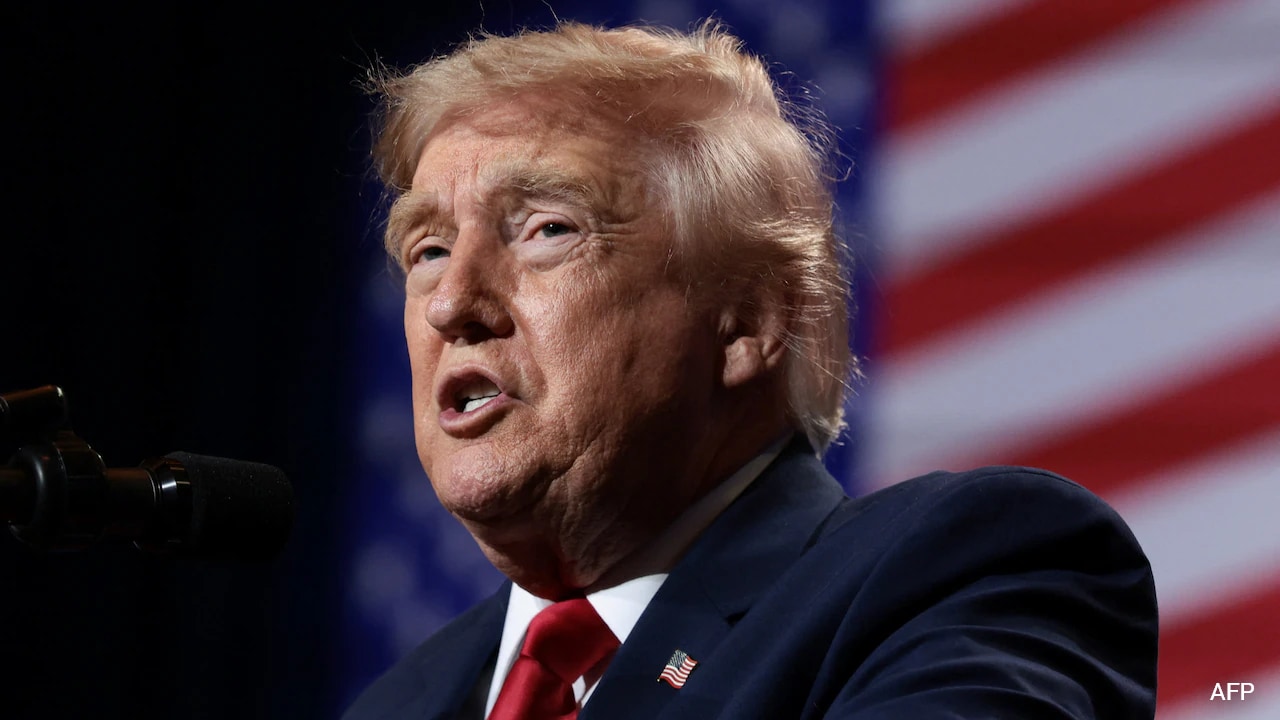
The US president told reporters that Tehran simply lacks the economic and military stamina to keep fighting much longer. "I think it's going to end pretty soon," Trump stated. Behind these confident soundbites lies a complex web of backchannel diplomacy, maritime choke points, and serious munitions supply realities. Meanwhile, you can find similar developments here: Why Washington Is Closing The Net On Iran's Aviation Sector.
What is Actually Driving the Timeline
Wars don't end because politicians want photo ops. They end when logistics break down or mutual exhaustion sets in. Right now, both elements are playing out in real time.
Trump pointed to tightening logistical constraints during his remarks. While Washington maintains an endless supply of certain high-end smart weapons, other critical categories of munitions are running tighter than planners prefer. That reality forces a hard look at long-term military sustainability. To explore the complete picture, check out the detailed analysis by Associated Press.
At the same time, Iran is staring down immense internal pressure. Months of intense fighting and strict security measures inside major cities like Tehran have taken a heavy toll. When you combine depleted resources with active diplomatic tracks involving regional intermediaries like Oman, the incentive to find an off-ramp grows exponentially.
The Battle for the Strait of Hormuz
You cannot talk about this conflict without looking at global energy flows. The real anchor of current negotiations centers on reopening and securing the Strait of Hormuz.
Trump recently paused planned military strikes after receiving signals that regional actors and Iranian channels wanted to talk. The core framework under discussion involves an immediate, complete opening of the waterway alongside provisions to stall Tehran's nuclear ambitions.
Of course, trusting these diplomatic signals is tricky. Iranian officials have publicly dismissed parts of Washington's messaging as theatrical. Parliamentary speaker Mohammad Bagher Ghalibaf recently criticized what he termed theater diplomacy on loop, pointing to a cycle of threatened strikes followed by sudden pauses.
Sifting Through the Political Posturing
Every side is playing to a domestic audience. Washington wants to project strength while signaling an eventual end to costly foreign entanglements. Tehran wants to project defiance, insisting its armed forces remain fully prepared to counter any threat.
Yet the underlying economic pressure is difficult to fake. Oil markets react violently to every rumor coming out of the Persian Gulf. A resolution to the maritime security crisis benefits everyone, which is why quiet talks continue despite public posturing.
Don't expect a neat, storybook peace treaty overnight. What you will likely see is a gradual cooling off, anchored by localized shipping agreements and heavily monitored ceasefires. Keep your eyes on the status of commercial tanker traffic through the Gulf. That tells you more about the real state of the war than any press conference ever will.