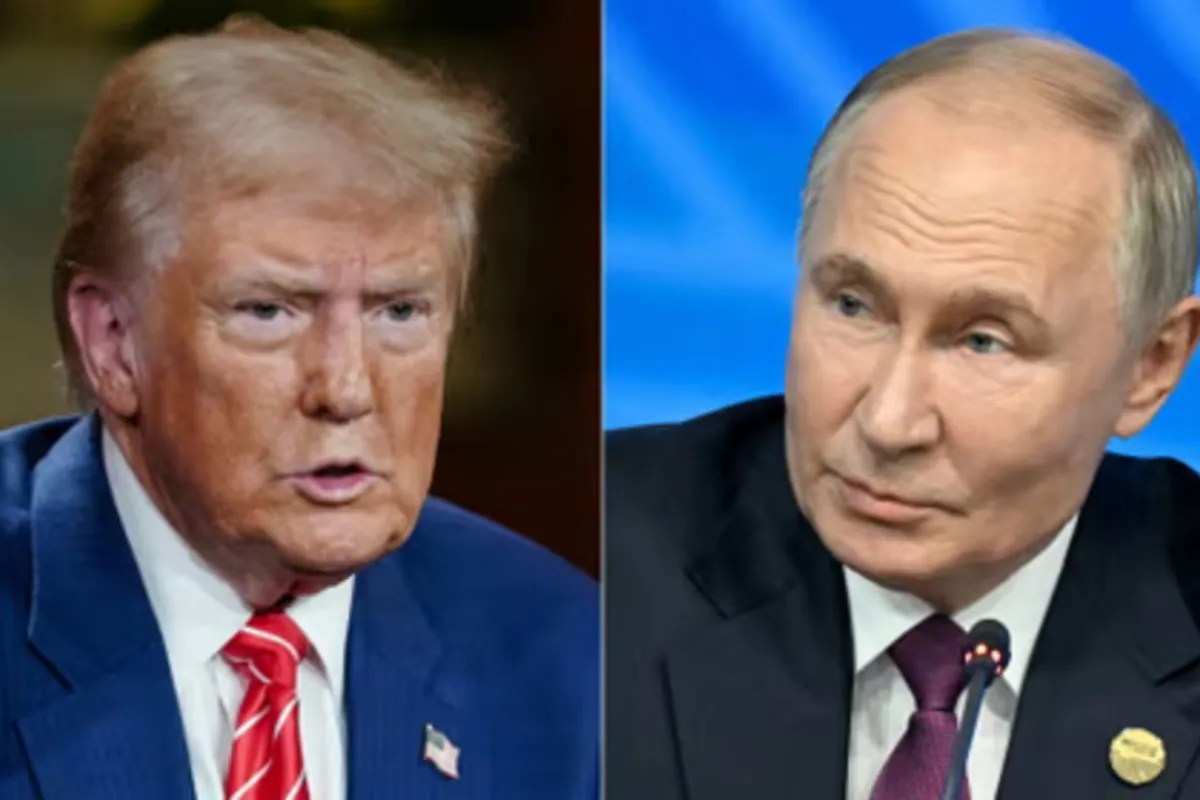
Vladimir Putin doesn't leave major political moments to chance, but he's sweating the optics of this week's parliamentary vote anyway. As The Economic Times reports, Russia's three-day State Duma election is the first legislative contest since the full-scale invasion of Ukraine began in February 2022. Putin spent his final televised address before the polling stations opened framing voter participation as a direct metric of national loyalty. He wants a massive turnout not because the 450-seat lower house is up for grabs—the ruling United Russia party is guaranteed to keep its iron grip—but because he desperately needs a public psychological win.
The Real Agenda Behind the Ballot Box
Forget about unexpected political shifts or genuine opposition victories. The Russian political machine is completely airtight. Most candidates who oppose the conflict were barred from the ballot, and independent election monitors like Golos have been systematically forced out of operation. Meanwhile, you can find related stories here: How A Tiny Trapped Kitten Kept California Firefighters Busy And Won Over The Internet.
So why push so hard for high turnout?
Putin is using the election as an internal referendum on the military campaign. In his pre-election address, he explicitly stated that casting a ballot acts as a collective response against external pressure. When people head to the local voting stations, the Kremlin counts every single envelope dropped into the box as a personal endorsement of the soldiers fighting on the front lines. It's a clever spin designed to turn a predictable legislative ritual into a forced display of wartime patriotism. To understand the complete picture, check out the detailed analysis by The Washington Post.
Economic Strain and Growing Public Fatigue
Behind the carefully orchestrated state media narrative, the mood on the ground is noticeably more anxious than it was during past electoral cycles. You can see the friction playing out in everyday life. Economic strains are mounting, and regular citizens are feeling the pinch of sustained sanctions and wartime spending.
To complicate matters further, the war isn't just a distant television broadcast anymore. Recent cross-border drone strikes and infrastructure disruptions have brought the reality of the conflict straight into domestic territory. Public unease is bubbling up, even if state pollsters like VTsIOM still show comfortable leads for the establishment.
Putin's heavy emphasis on unity isn't coming from a place of supreme comfort. It's an aggressive public relations push to drown out quiet grumbling about inflation, mounting costs, and the sheer length of the attrition campaign.
What to Watch as the Three-Day Vote Unfolds
Voting isn't restricted to standard municipal offices inside mainland Russia. Balloting has been rolled out across annexed regions including Crimea and parts of Donetsk, Luhansk, Zaporizhzhia, and Kherson. Expanding the electorate into these contested zones serves a dual purpose. It cements administrative claims on occupied soil while padding the vote tallies with populations under direct military control.
Meanwhile, United Russia aims to protect its supermajority in the 450-seat State Duma to ensure it can pass constitutional amendments without breaking a sweat. Yet, the real number the Kremlin elite will obsess over isn't seat allocation—it's the percentage of people who actually show up. A high turnout validates the state's narrative. A sluggish or visibly forced turnout reveals the fatigue eating away at the edges of the domestic front.
Head over to official regional tracking portals or check The Moscow Times for ongoing updates on how the state apparatus manages the count over the next three days.