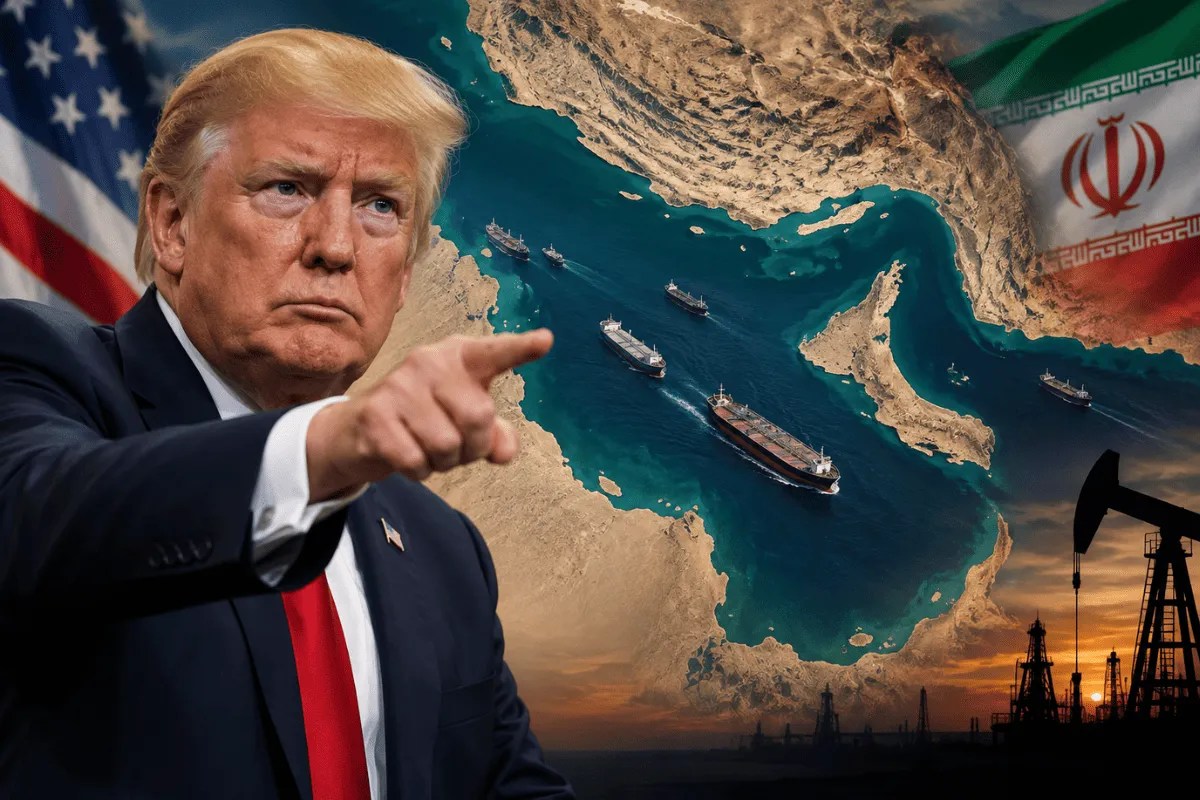
The rules of navigation in the Middle East have completely changed. If you run a commercial shipping fleet or watch global energy markets, you already know things are tense. The US military recently announced that it redirected roughly 100 commercial vessels over a span of sixty days. This is not routine maritime policing. This is a hard naval blockade targeting Iranian ports, and it is reshaping how goods and energy move across the globe.
Let's look at why this is happening and what it means for the future of international trade.
The Trigger Behind the Steel Wall
How did we get here? Back in late February, US and Israeli forces launched military strikes against Tehran. Iran responded by shutting down the strategic Strait of Hormuz, a critical bottleneck that handles a massive share of the world's daily crude oil and liquefied natural gas supplies.
In response, Washington threw up what the military calls a "steel wall" blockade. The goal is simple: cut off maritime trade, block revenue streams to Tehran, and choke off Iranian ports.
US Central Command (CENTCOM) made it crystal clear on social media that zero ships pass through the blockade zone without explicit authorization from American forces.
What 100 Redirected Ships Actually Mean for Logistics
Numbers like "100 ships in sixty days" sound abstract until you think about the operational nightmare it creates for cargo operators. Commercial vessels—including bulk carriers, container ships, and oil tankers—are suddenly finding their routes abruptly altered or outright rejected.
Before this conflict erupted, daily traffic through the Strait of Hormuz hovered around 125 large commercial ships. Now? That number has plummeted to a small fraction of what it used to be.
If you're a captain heading toward the region, you can't just wing it. Getting clearance requires jumping through hoops with US forces, and many operators are choosing to stay far away from the danger zone altogether rather than risk getting turned around or caught in the crossfire.
The Economic Fallout and Global Impact
Iran's crude exports have taken a massive hit, effectively stalled since sanctions and naval measures tightened. But the ripple effects extend far beyond Iranian shores. Global supply chains hate uncertainty. When commercial vessels are forced to turn back or find alternate routes, insurance premiums spike, delivery times stretch out, and operational costs skyrocket.
Analysts point out that the ongoing conflict has already cost billions in military expenditures and economic drag, while regional oil spills and security incidents keep maritime insurers on edge.
Politically, leaders are trying to project confidence. Statements from high-ranking officials suggest optimism about keeping broader economic damage in check, but the reality on the water tells a different story. American service members remain locked into a high-intensity posture, monitoring every single radar blip near the blockade zone.
Practical Next Steps for Operators
If your supply chain touches the Middle East, you cannot afford to rely on outdated routing strategies.
- Audit your current shipping manifests and contracts for Middle Eastern port stops immediately.
- Coordinate closely with maritime intelligence providers to track real-time changes in CENTCOM enforcement zones.
- Build extra buffer time and capital reserves into your logistics planning to account for unexpected vessel re-routings.