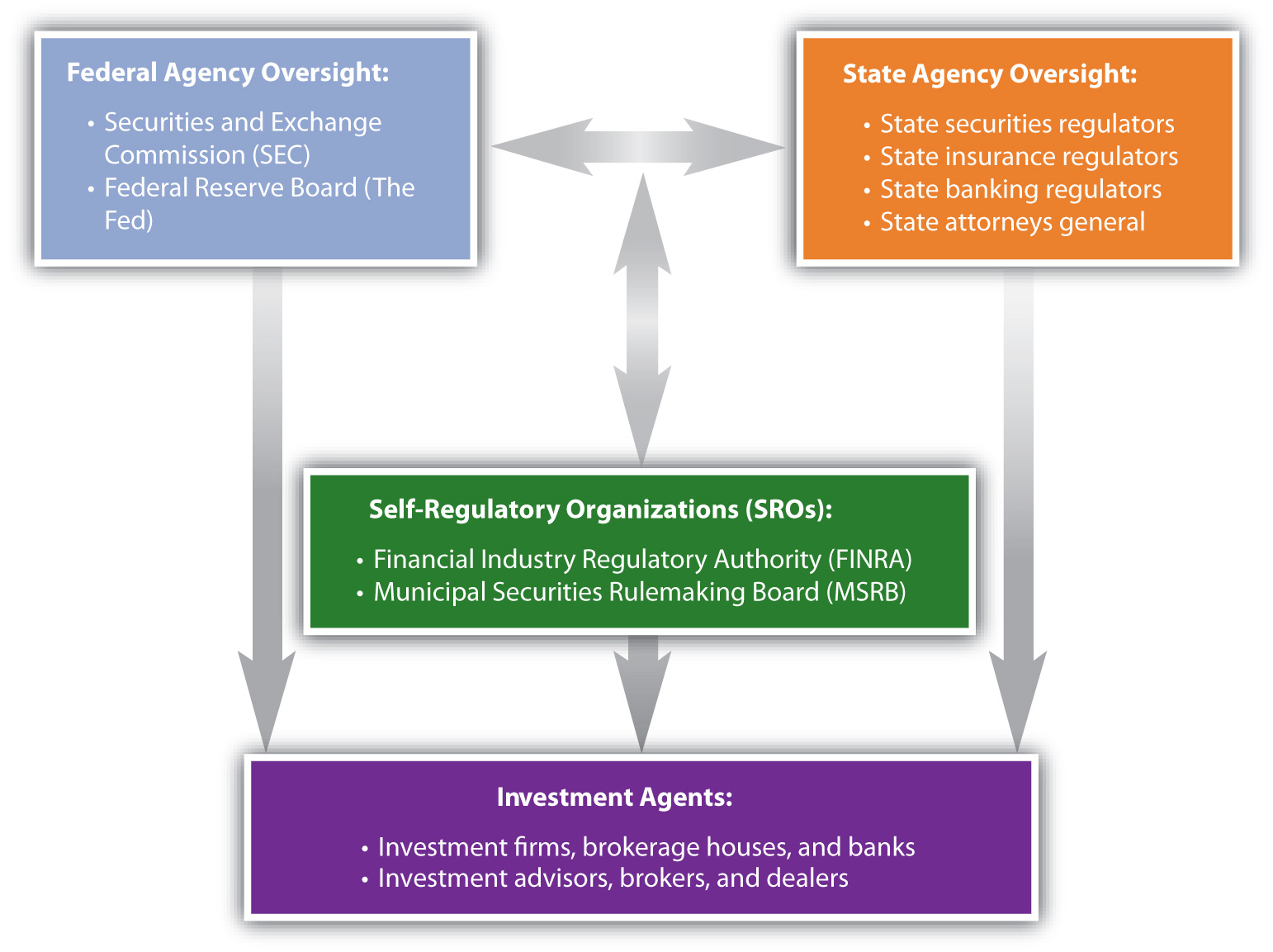
Bank examiners have spent years sweating the small stuff. Instead of focusing strictly on whether a bank's balance sheet could survive a catastrophic shock, regulators frequently bogged down institutions in endless paperwork disputes, IT handbook nitpicks, and minor procedural infractions. That era is starting to shift. Major U.S. banking regulators, including the Office of the Comptroller of the Currency (OCC) and the Federal Deposit Insurance Corporation (FDIC), are officially narrowing their supervisory and enforcement focus back to hard-core financial risks.
If you run a bank or watch financial markets, this correction is long overdue. Let's look at why this pivot is happening, what it means for compliance departments, and how it alters the post-2023 regulatory rulebook.
The Post-SVB Hangover and Misplaced Priorities
The 2023 collapse of Silicon Valley Bank exposed massive blind spots in federal oversight. Yet, ironically, federal examiners spent immense resources prior to that disaster issuing formal warnings about internal governance, management controls, and anti-money laundering paperwork rather than forcing banks to address glaring interest rate and liquidity vulnerabilities.
Banks were drowning in red tape. Regulators chased compliance checkboxes while core capital structures cracked under pressure.
The new regulatory stance attempts to fix this imbalance. Officials want examiners to stop treating minor administrative lapses with the same severity as actual threats to bank solvency. Jonathan V. Gould, head of the OCC, has emphasized that examiners and institutions must prioritize material financial risks and substantive violations of law over minor documentation errors.
What Changes Under the New Supervisory Framework
The overhaul introduces several practical adjustments designed to eliminate administrative bloat in banking supervision:
- Raising the Bar for Matters Requiring Attention: Regulators are lifting the threshold required to issue formal notices—known as MRAs—forcing banks to fix internal deficiencies. Minor infractions will no longer automatically trigger heavy enforcement actions.
- Redefining Unsafe Practices: The legal definition of an "unsafe or unsound practice" is getting a tighter, more quantifiable boundary. Vague interpretations that previously allowed examiners wide latitude to penalize banks are being pruned back.
- Separating Technical from Substantive Breaches: Legal and regulatory violations are now split into distinct categories. Non-substantive issues will get handled outside the formal written notice pipeline.
- Publishing Procedural Manuals: For transparency, the OCC is publishing its policies and internal procedural manuals so institutions can see exactly how examinations are conducted.
This separation helps lenders distinguish between genuine threats to their liquidity and minor technical deviations that carry zero systemic risk.
How Industry Leaders Are Responding
Wall Street and community banking groups have welcomed the pivot. Rob Nichols, president and CEO of the American Bankers Association, noted that a sharper focus on material safety and soundness gives institutions much-needed consistency and predictability.
When banks spend less time fighting redundant bureaucratic friction, they can focus on what they are actually supposed to do: extend credit, manage asset quality, and support local economies. Compliance departments will still have plenty of work, but the target is moving away from endless documentation minutiae toward actual balance sheet resilience.
Expect larger and more complex institutions to still face intense, rigorous scrutiny compared to smaller community lenders. Regulators aren't abandoning oversight; they are rationalizing it.
Audit your current compliance backlog immediately. Shift your internal audit resources away from minor policy formatting issues and lock down your core liquidity and capital buffers to match the new supervisory reality.