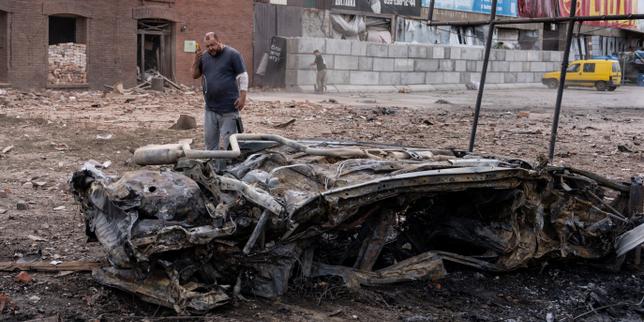
Volodymyr Zelensky is heading back to Washington on Tuesday, July 28, 2026, for a high-stakes meeting at the White House with Donald Trump. Coming on the heels of devastating Russian missile attacks across the Kyiv region that left dozens killed or wounded, the timing couldn't be more critical.
Diplomacy in wartime rarely follows a neat script. This visit comes under heavy diplomatic pressure and a shifting tactical picture on the ground. While official schedules were finalized after days of quiet back-channel talks between Kyiv and Washington, the core agenda centers on a fresh peace proposal, specifically a target proposal for an air ceasefire.
Zelensky's trip also coincides with the memorial services for Senator Lindsey Graham in Washington, a vocal proponent of military assistance to Ukraine who passed away earlier this month. Trump is set to deliver remarks at the service before Tuesday's formal bilateral talks at the Oval Office.
The Real Push Behind the Air Ceasefire Proposal
The headlines might focus on optics, but the hard substance of this trip revolves around a specific proposal: a total air and maritime truce intended to halt missile, drone, and airstrikes.
Ukrainian officials have been coordinating with U.S. envoys Steve Witkoff and Jared Kushner to refine the details. Moscow has repeatedly rejected unconditional pause requests in the past. Yet Ukrainian strategists believe that ongoing long-range strikes against Russian refining capacity and logistics hubs have created fresh economic friction inside Russia, potentially opening a window for leverage.
It's a gamble. Halting air attacks would provide immediate relief to Ukrainian civilian infrastructure, which has faced severe destruction throughout the summer. But getting Moscow to agree without granting massive territorial concessions remains a huge hurdle.
From Ankara to Washington
To understand why next Tuesday's meeting matters so much, you have to look at the momentum built over recent months. The two leaders met during the NATO Summit in Ankara, Turkey, where discussions focused heavily on air defense logistics and localized production licensing for Patriot missile batteries. Prior to that, they held side-bar discussions at the G7 summit in Evian-les-Bains.
The personal dynamic between Trump and Zelensky has evolved significantly since their earlier encounters in Florida and the Vatican. Zelensky recently noted in a broadcast interview that their private discussion at St. Peter's Basilica marked a turning point in establishing direct communication channels.
Trump's public stance has leaned heavily into brokering a swift end to hostilities, claiming both Kyiv and Moscow are eager to reach a settlement. However, translating broad political intent into an enforceable ceasefire requires technical details that haven't been fully worked out yet.
Key Factors That Will Shape Tuesday's Talks
When both delegations sit down in Washington, four critical issues will dominate the agenda:
- Enforcement of aerial pauses: Determining how radar monitoring and rapid-response protocols would detect or penalize air space violations during a proposed ceasefire.
- Domestic defense manufacturing: Following up on proposals to allow Ukrainian facilities to license and assemble key defense components, including Patriot systems, directly on domestic soil.
- Economic sanctions and leverage: How Washington intends to use existing economic pressure on Russian energy exports to enforce compliance at the negotiating table.
- Security guarantees: Establishing clear commitments from Western partners to prevent renewed aggression if an interim truce is signed.
What To Watch Next Week
Don't expect a signed peace treaty by Tuesday night. Realistically, success for Kyiv looks like securing explicit U.S. backing for the air ceasefire framework and guaranteeing uninterrupted defensive hardware transfers while negotiations proceed.
Pay attention to joint statements following the Oval Office meeting. Watch whether Washington commits to serving as a direct mediator for the air truce proposal, or if the burden shifts back to European allies to oversee compliance. The outcome of Tuesday's summit will set the trajectory for military and diplomatic efforts through the remainder of the year.