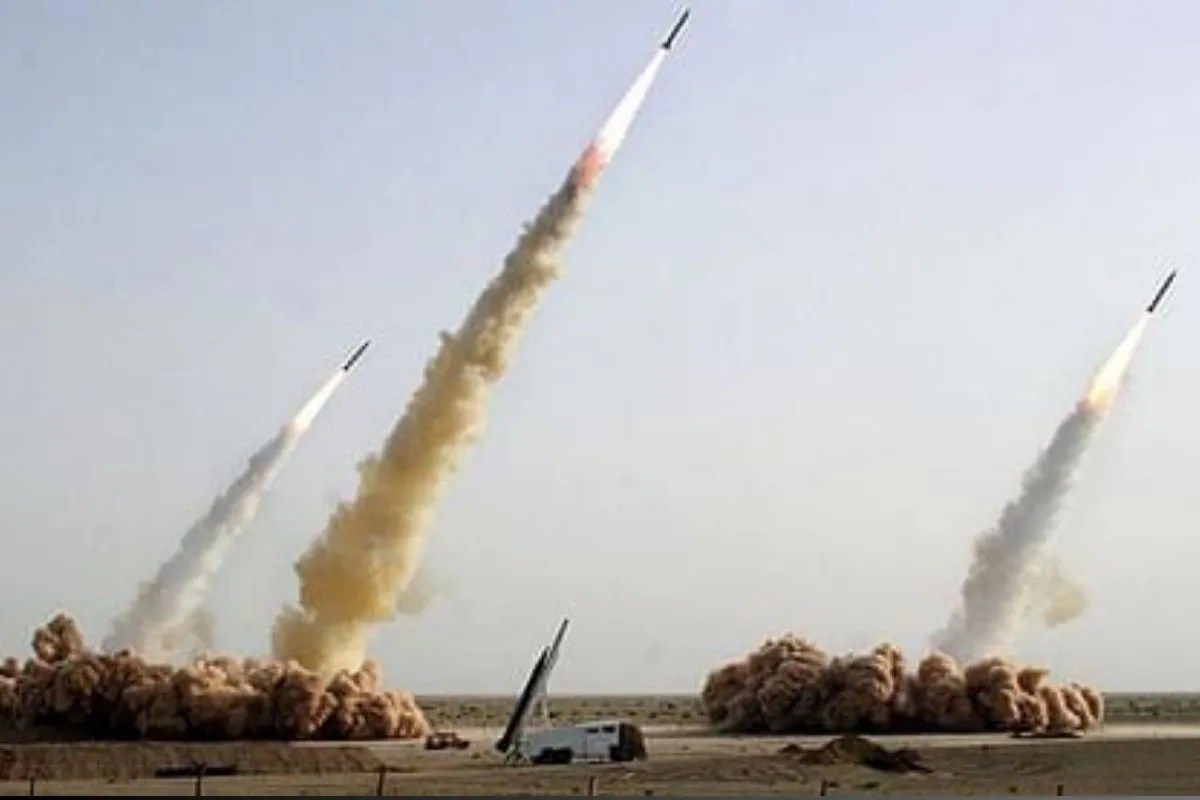
Geopolitical tensions in the Middle East aren't just rattling stock markets or redrawing diplomatic maps anymore. They're literally driving the future of artificial intelligence underground.
When regional missile and drone strikes started clipping digital infrastructure earlier this year—including high-profile damage to Amazon Web Services facilities across the Gulf—tech planners realized that traditional, wide-open data center campuses are sitting ducks. If you're building a multi-billion dollar digital empire in a volatile neighborhood, standard concrete walls and chain-link fences won't cut it. You might also find this related story interesting: Why The New Standoff Over Pickaxe Mountain Changes Everything.
The Shift From Open Campuses to Underground Fortresses
The United Arab Emirates has grand ambitions to transform into a global artificial intelligence powerhouse. Backed by heavyweights like G42 under Sheikh Tahnoon bin Zayed Al Nahyan, the country originally mapped out a sprawling 26-square-kilometer mega-campus in Abu Dhabi for its massive Stargate project.
Then reality hit. Iranian military warnings, specific threats targeting regional data hubs near joint installations like the Al Dhafra Air Base, and actual physical disruptions forced a complete architectural rethink. Insiders indicate that instead of keeping all the eggs in one giant, vulnerable basket, planners are decentralizing the infrastructure. More critically, they are exploring underground vaults and mountainous terrain. As reported in latest coverage by NPR, the results are significant.
While much of the UAE landscape is flat desert, regions like Ras Al Khaimah and Fujairah feature rugged mountains. Stashing sensitive military and AI compute infrastructure deep inside rock formations provides a natural blast shield that simple surface-level cooling units and glass facades never could.
Hardening the Digital Frontier
Building underground sounds like a sci-fi movie script, but it's an engineering necessity when your servers process intelligence that nations are willing to fight over. The upcoming security upgrades go far deeper than a basement bunker.
Engineers are looking at layered defense mechanisms:
- Advanced air defense batteries specifically stationed to intercept incoming drones.
- Heavy-duty electronic jamming equipment to blind incoming guidance systems.
- Blast-proof concrete hardening designed to absorb kinetic impacts.
- Deep-rock subterranean chambers for critical compute clusters.
Power and cooling present unique hurdles down under. Data centers generate staggering amounts of heat, and running them beneath the earth requires innovative thermodynamic engineering. You can't just open a window when cooling loops fail. Backup generators, redundant power grids, and advanced liquid-cooling loops are being baked into the earliest design phases to ensure these subterranean bunkers don't turn into expensive digital ovens.
High Stakes and Heavy Investments
This isn't just about survival; it's about a high-stakes geopolitical tightrope walk. The first phase of this massive undertaking involves a 30 billion dollar commitment for a 1-gigawatt cluster. Tech leaders like Oracle's Larry Ellison have championed the initiative, noting its eventual goal of connecting every vital government and commercial entity to state-of-the-art AI models.
At the same time, the UAE is navigating delicate lines between Washington and Beijing. Securing access to high-end Nvidia chips and advanced American tech has required the Gulf state to taper off certain deep technological ties with China. Washington wants tight security around cutting-edge silicon, and physical bunker security aligns neatly with keeping proprietary neural networks out of adversarial hands.
What This Means for the Future of Infrastructure
We are entering an era where physical security and cyber security are completely fused. For years, tech companies cared about latency, fiber paths, and cheap electricity. Today, sovereign AI strategies must factor in ballistic trajectories, air defense radiuses, and subterranean geology.
If you're designing digital infrastructure in unstable regions, the golden rule has changed. Don't just build for uptime. Build to survive a missile strike.


