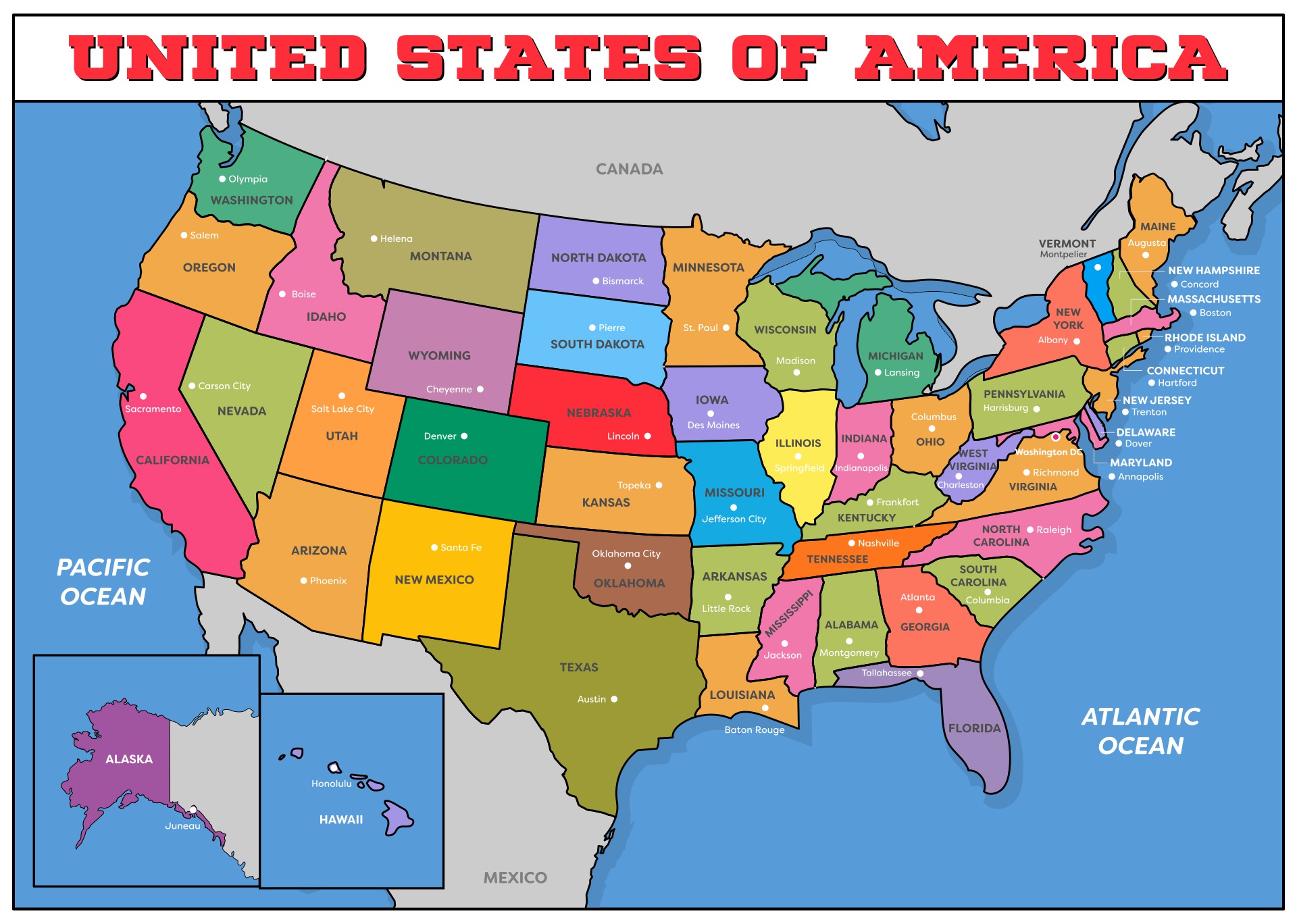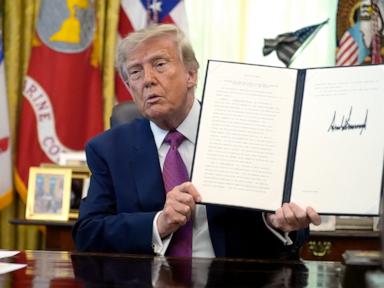
You can not simply rewrite centuries of indigenous history with the stroke of a pen. President Donald Trump signed an executive order on August 27, 2026, directing the federal government to rename Lake Ontario as "Lake America" across all U.S. databases, reports, and digital maps. The move arrived hand-in-hand with sweeping new tariffs on Canadian goods, packaging a trade feud into a sudden cartographic overhaul.
Almost immediately, the backlash began. The Seneca Nation stepped forward with a fierce objection that cuts straight to the core of federal law and historical legacy.
The Treaty Argument That Changes Everything
Seneca Nation President J. Conrad Seneca didn't mince words. He called for an immediate reversal of the order, pointing out a major legal hurdle the White House conveniently ignored: the 1794 Treaty of Canandaigua.
Signed during George Washington’s administration, this historic agreement promised perpetual peace and friendship between the United States and the Six Nations of the Haudenosaunee Confederacy, which includes the Seneca.
By unilaterally rebranding a vital waterway that sits in ancestral territory, the administration is trampling on mutual respect and sovereign heritage. The president cannot assert ownership over a culture or erase its roots through political retaliation. When you ignore agreements signed by the founding fathers just to score points in a trade war, you are inviting a massive legal and moral challenge.
Where the Name Actually Comes From
The White House frames the rebranding under its "Restoring Names That Honor American Greatness" initiative, claiming the new title highlights the lake's role as a major American economic asset. But the math on the history just does not add up.
The name Ontario originates from the Huron word oniatarí:io, which translates directly to "lake of shining waters." Long before the United States declared independence or Canada established its confederation, Indigenous nations thrived around these shores. In the traditional Seneca language, the water is known as sga:nyodai:yoh, meaning "beautiful lake."
Erasing these names is not a patriotic tribute. It is an act of cultural erasure that ignores the people who managed, protected, and lived beside the water for millennia. Other tribal leaders, including Wyandotte Chief Billy Friend, have echoed these exact concerns, calling the order an utter sign of disrespect.
A Divided Map and Limited Reach
Fortunately, the executive order has severe geographic limits.
The directive only commands the Department of the Interior to update the federal Geographic Names Information System within 30 days. It does not force Canada, New York state, local municipalities, or private entities to adopt the name.
Canadian Prime Minister Mark Carney instantly rejected the change, and Ontario Premier Doug Ford confirmed that Canada will stick with Lake Ontario. Look at digital maps today and you will see the chaos. Google Maps displays "Lake America" for U.S. users following the federal update, while Apple Maps and Waze stubbornly stick to the original name.
If you live in New York, you do not need to swap out your tourism brochures or rewrite local ordinances. The real-world impact is mostly restricted to federal paperwork and digital routing algorithms.
Stop pretending that cartographic vanity projects solve trade deficits. If the administration wants to fix economic friction with Canada, renaming natural landmarks does nothing except alienate tribal nations and disrupt cross-border environmental cooperation. Restore the original name and respect the treaties that keep the country's word intact.