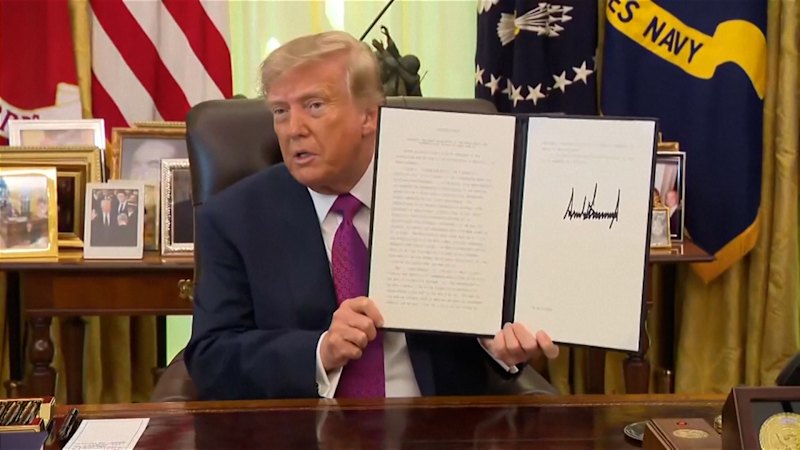
Geopolitical posturing often takes bizarre forms, but renaming a major body of water sits in an entirely different category. President Donald Trump announced that Lake Ontario will officially become known as Lake America. This bold declaration arrives hot on the heels of aggressive new tariffs imposed on Canada. It is a striking escalation in economic and symbolic tensions between two historically close neighbors.
You might wonder how a president can just change the name of a massive international lake. The short answer is that they can't, at least not unilaterally or internationally. Lake Ontario borders the Canadian province of Ontario to the north and the U.S. state of New York to the south. Changing its moniker requires international cooperation, mapping adjustments, and formal board approvals that rarely bend to political whims. Yet, the rhetoric itself matters far more than the cartographic reality.
The Economic Backdrop Behind the Map
Tariffs came first. The symbolic renaming followed. Trade disputes between Washington and Ottawa have intensified sharply, driven by protectionist policies and sharp disagreements over cross-border commerce.
When politicians face stubborn trade deficits or stalled negotiations, they often lean into nationalistic branding. Renaming a shared natural resource isn't just about water. It is a psychological play designed to project dominance, rally domestic bases, and signal absolute displeasure with northern trading partners.
- Tariffs hit Canadian steel, aluminum, and manufacturing sectors.
- Ottawa retaliated with targeted duties on American goods.
- Public rhetoric shifted from trade policy to overt territorial nationalism.
Legal Realities Versus Political Theater
Geographic names in the United States are technically overseen by the U.S. Board on Geographic Names. Internationally, bodies like the International Joint Commission manage shared waterways between the U.S. and Canada. Neither agency operates on executive fiat alone.
Can you wake up tomorrow and call a lake whatever you want in casual conversation? Sure. Will official global maps reflect the change? Not a chance. Canada holds equal sovereignty over its half of the basin. Ottawa has already dismissed the announcement as absurd political theater designed to grab headlines rather than solve supply chain issues.
Why This Strategic Move Backfires
Grand gestures often alienate the very allies required for long-term economic stability. Canada remains one of America's largest trading partners. Millions of jobs on both sides of the border depend on seamless logistics across the Great Lakes region.
Treating shared geography like a billboard for political grievances creates real friction. Local businesses operating shipping lanes across Lake Ontario rely on predictable regulatory environments. When leaders turn geography into a weapon, shipping companies, manufacturers, and average citizens absorb the uncertainty.
Watch how local politicians in New York and Ontario respond to these decrees. They usually ignore the grandstanding and focus on keeping commercial ports open. Pay attention to upcoming trade talks rather than the temporary noise of map-changing declarations. Keep your eyes on actual policy outcomes, because names on a map rarely change without a treaty first.


