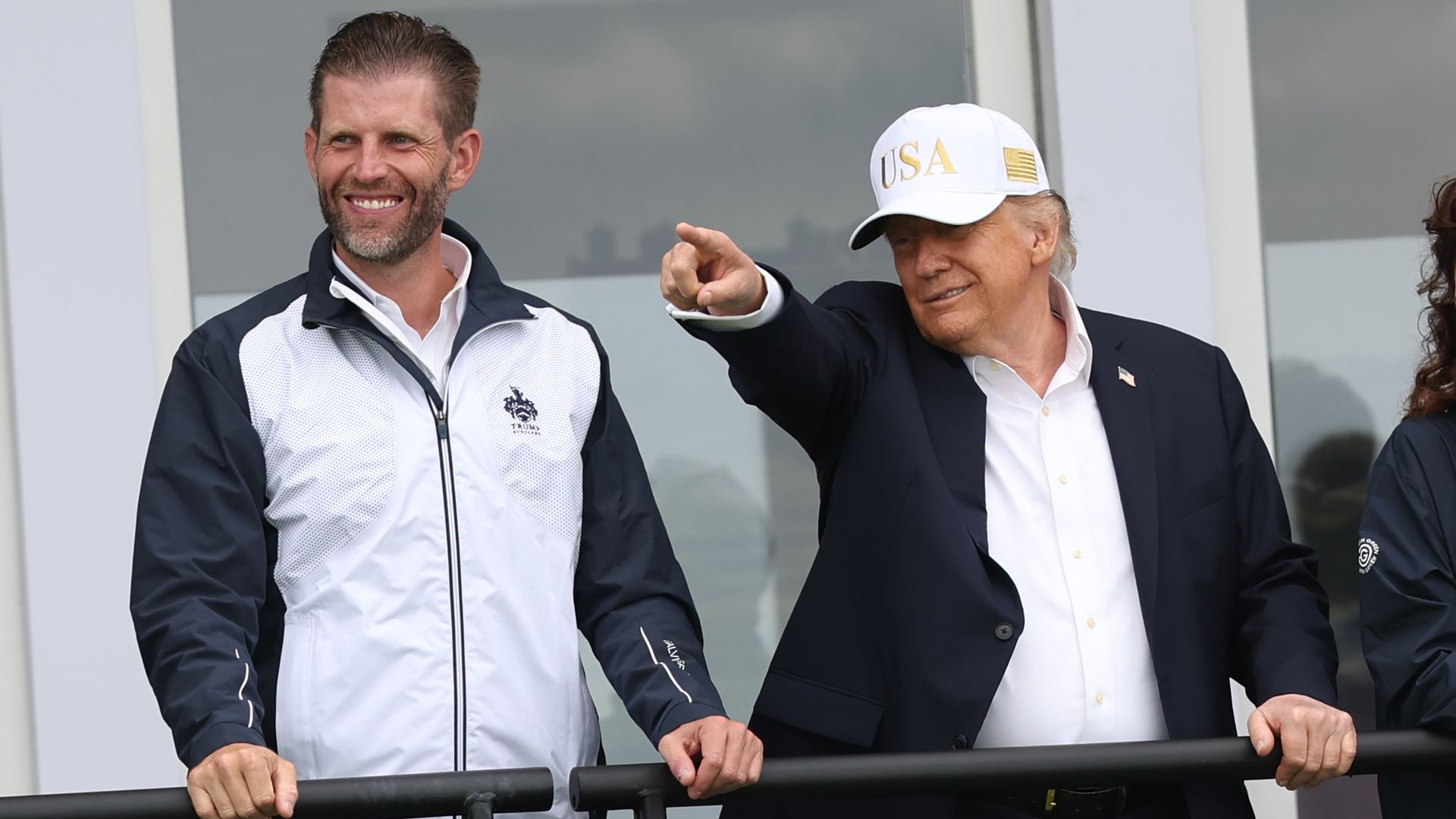
Donald Trump just tossed a geopolitical hand grenade straight into Anglo-Irish relations, and the fallout isn't slowing down. During a recent multi-day trip to Ireland that included stops at his Doonbeg golf resort, Trump casually remarked that he would "love to see" a united Ireland and suggested it "may as well happen now." Predictably, political shockwaves radiated across London, Belfast, and Dublin.
For decades, standard American foreign policy doctrine on Northern Ireland has followed a strict script of careful neutrality. US presidents tip-toe around the constitutional question out of respect for the 1998 Good Friday Agreement. Trump completely threw that playbook out the window. Sitting alongside Taoiseach Micheál Martin, he called unification a "natural" step and dismissed the complexity of decades of history with a casual assessment that it would be "very cool." Learn more on a connected subject: this related article.
British politicians reacted with immediate fury. Conservative leader Kemi Badenoch accused Trump of "shooting from the hip," comparing his off-the-cuff border remarks to past bizarre suggestions about Greenland and Canada. Figures across the UK political spectrum lined up to remind the White House that Northern Ireland's future belongs exclusively to its own citizens, not foreign dignitaries looking for a headline. Robert Jenrick flatly called the comments "completely wrong," while Democratic Unionist Party (DUP) leader Gavin Robinson reminded everyone that Northern Ireland remains part of the United Kingdom because that is the settled democratic will of the people who live there.
Meanwhile, Irish nationalists saw things very differently. Sinn Féin president Mary Lou McDonald seized on the moment, declaring that Trump's intervention made the conversation on Irish unity timely and demanding that the Dublin government begin active planning for a border poll. While Taoiseach Micheál Martin tried to downplay the remarks by noting that Trump has expressed similar private thoughts before, the damage—or the opportunity, depending on your perspective—was already done. Additional reporting by The Washington Post delves into similar views on this issue.
Why did these specific comments hit such a raw nerve?
The anger isn't just about a foreign leader giving an uninvited opinion. It's about stability. The Good Friday Agreement explicitly dictates that any change to Northern Ireland’s status requires a majority vote from both sides of the border. By bypassing the foundational principle of consent and treating a deeply sensitive sovereignty issue like a real estate merger, Trump ignited a firestorm that alienates unionist communities who already feel vulnerable.
If you're watching international politics unfold right now, look past the media noise about golf courses and diplomatic gaffes. The underlying reality is that the debate over Irish unity is accelerating whether Washington weighs in or not. Unionist leaders are digging their heels in, nationalists are reading external momentum into every foreign comment, and Downing Street is desperately trying to hold the line on the status quo.
Stop expecting foreign leaders to fix complex territorial disputes with a soundbite. Keep your eyes on local polling trends and shifting demographics on the ground in Belfast, because that is where the future of the border will actually be decided.


