Geopolitical posturing rarely sounds this blunt. When Donald Trump flatly told interviewers that "that sucker is open" regarding the Strait of Hormuz, he discarded months of diplomatic euphemisms and military hesitation. For years, Tehran relied on a single, high-stakes threat: choke off the narrow shipping corridor, hold global oil supplies hostage, and watch energy markets panic. That playbook is falling apart.
The Shifting Reality of the Gulf Chokepoint
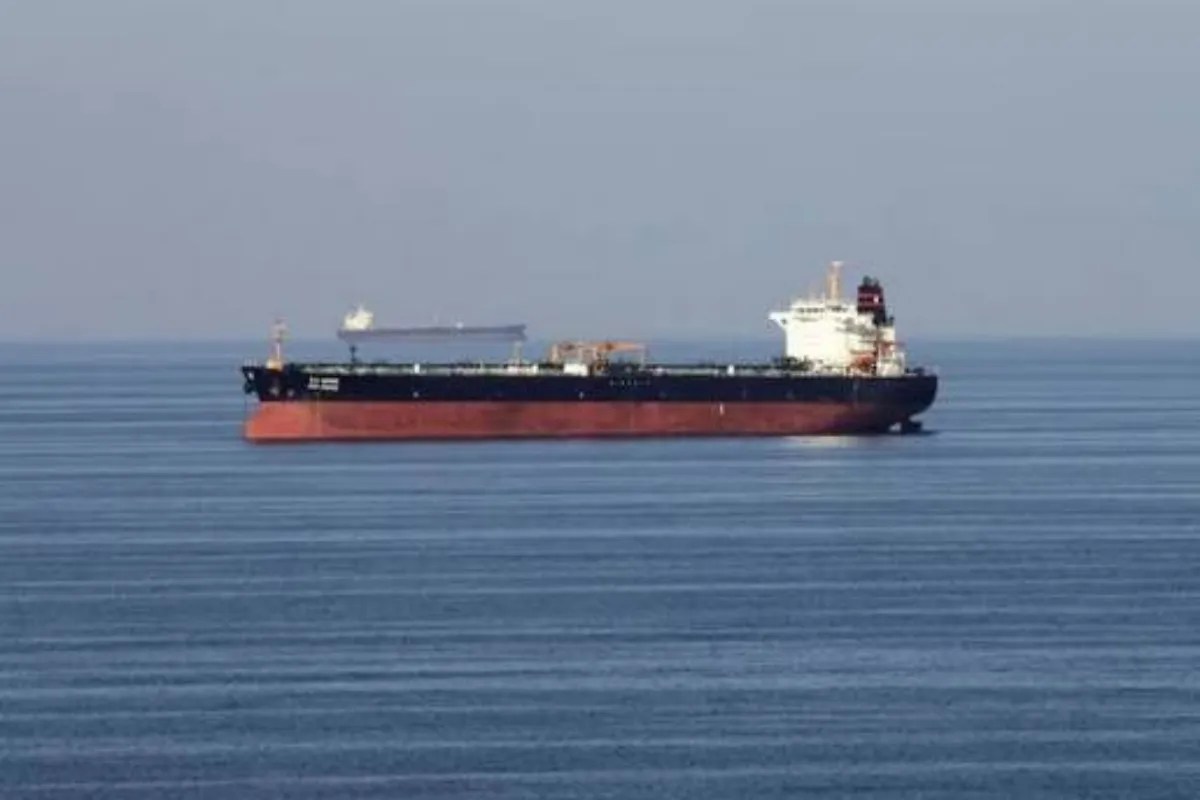
For decades, military planners treated the Strait of Hormuz as an unmanageable liability. Nearly a fifth of the world's petroleum passes through this narrow passage between Oman and Iran. Whenever tensions spiked, Iranian officials warned they would shut it down, sparking immediate spikes in crude prices.
Washington and its regional allies spent billions trying to neutralize that vulnerability. Today, the operational reality on the ground has shifted. CENTCOM commanders confirmed that internationally recognized sea routes through the strait are clear of Iranian sea mines, and commercial traffic is adapting. Tankers are utilizing alternative routing channels like the Omani corridor or running transponder-dark to bypass hostile surveillance, drastically reducing the bite of Tehran's traditional coercion.
Why Iran's Strategic Influence is Draining Fast
You can't wield a weapon if the target simply walks around it. Energy markets are brutally pragmatic. The longer shipping lanes remain volatile near Iran, the faster finance ministries, global shipping conglomerates, and energy producers construct bypass infrastructure.
Alternative pipelines and expanded output from non-OPEC nations mean that closing the strait hurts the global economy, but it starves Iran of long-term strategic influence. Trump's assessment highlights a stark truth. Tehran's response to recent military pressure has stayed remarkably restrained because they understand the stakes. Escalating further risks wiping out what little economic leverage they retain.
When a chokepoint becomes too expensive to defend and too easy to route around, its strategic value plummets. Washington is betting that the modern energy network can evolve past ancient geographic bottlenecks.
Check out this analysis on Trump Can't Control the Strait of Hormuz — And Iran Knows It for a closer look at the shifting dynamics in the Persian Gulf.
http://googleusercontent.com/youtube_content/1