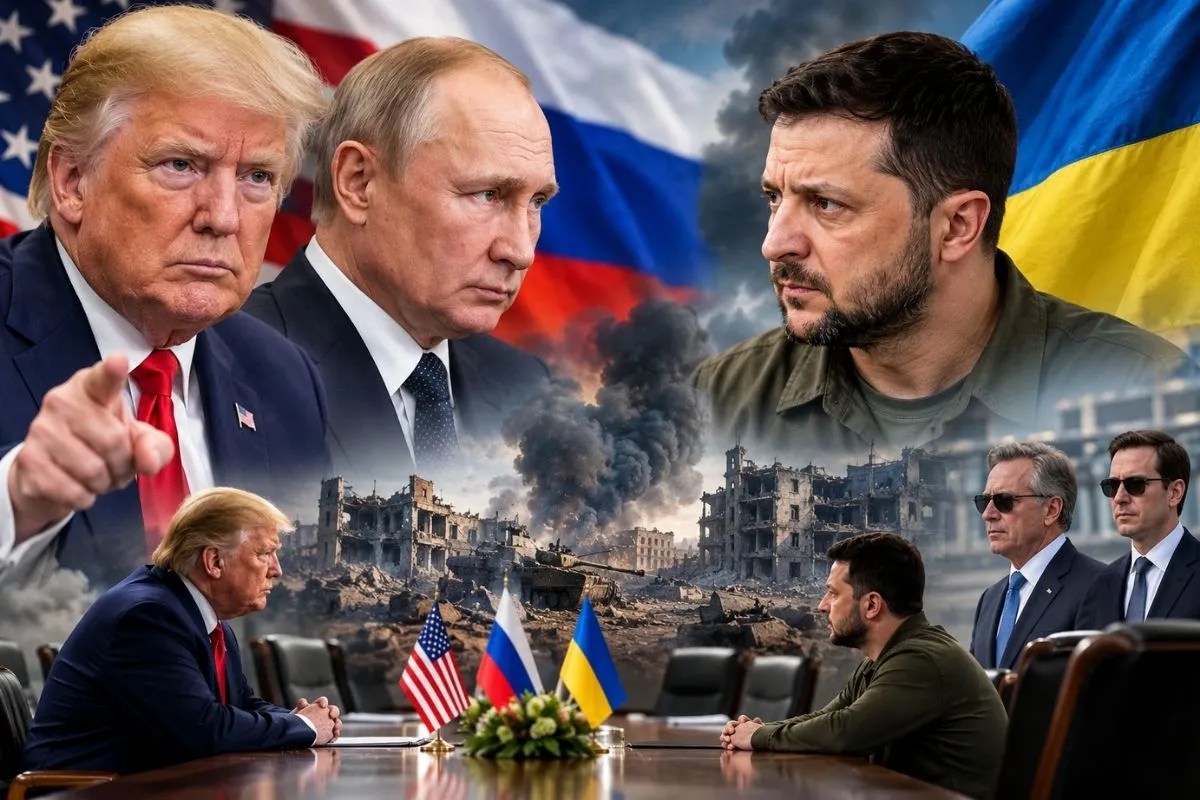
When White House rhetoric turns toward the Arctic, small island nations pay attention. US President Donald Trump’s repeated remarks regarding Greenland sent shockwaves straight to Reykjavík, transforming what should have been a routine political debate into an existential security crisis. If a superpower can fixate on taking control of the world's largest island, what happens to its closest neighbors? That underlying dread pushed Iceland's left-leaning coalition government to fast-track a public referendum on whether to reopen long-abandoned European Union accession talks.
Voters went to the polls on August 29, 2026, facing a simple yes-or-no question about restarting negotiations with the European Commission. The outcome was tight. Opponents of opening talks won with 52.8% of the vote, while 47.2% favored starting the process. The narrow margin exposed deep fractures within Icelandic society over sovereignty, economics, and how a tiny nation of roughly 400,000 people should protect itself in a volatile North Atlantic.
The timing of the referendum was no accident. Earlier this year, Trump mistakenly referred to Iceland four times while discussing his ambitions for Greenland. For many Icelanders, those verbal slips weren't just humorous gaffes; they were flashing red warning lights. Even though Trump indicated he wouldn't use military force to seize Greenland, the pressure left leaders in Reykjavík questioning traditional alliances. Security guarantees that once felt absolute suddenly felt fragile.
Proponents of the EU membership path argued that joining the 27-nation bloc would build a diplomatic shield. They reasoned that European solidarity could provide vital leverage if Washington ever turned its strategic gaze toward Iceland's sovereign territory. Beyond defense, supporters pointed to economic stability. Inflation and interest rates driven by Iceland's volatile domestic currency, the króna, have long hurt consumers. Backers believed tying into the euro zone would anchor the economy against external shocks.
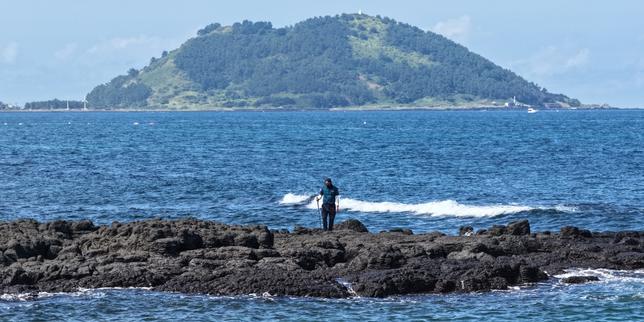
Yet the "No" campaign tapped into a deeply rooted cultural nerve. Fish is identity. It's not just an export commodity. Joining the European Union would mean submitting to the bloc's common fisheries policy, which would allow foreign trawlers into Icelandic waters. Critics argued that handing over control of marine resources to Brussels was too high a price to pay, even in the face of American unpredictability. Furthermore, opponents noted that Iceland already enjoys frictionless trade via the European Economic Area and participates in the Schengen free-travel zone without full membership. Why break a system that already works?
The geographical divide in the voting results told a clear story. Urban voters in Reykjavík largely favored exploring membership, while rural constituencies and fishing regions rejected the proposal by margins exceeding 60%. People outside the capital prioritized keeping complete dominion over their coastal waters and independent trade policy over speculative geopolitical insurance.
Even with the measure defeated, the underlying anxieties haven't vanished. Iceland remains heavily reliant on NATO and bilateral security cooperation with Washington, operating from a position where it controls access to the Keflavík air base but commands no influence over how the Pentagon deploys its forces. The referendum proved that citizens are acutely aware of their precarious position in the GIUK gap—the critical naval choke point between Greenland, Iceland, and the United Kingdom.
The vote preserved the status quo, keeping fisheries national and the króna intact. Yet it also left open the fundamental dilemma that triggered the ballot in the first place. Small states in the Arctic circle are caught between unpredictable superpowers and regional blocs, forced to weigh the practical cost of independence against the safety of collective integration. The debate over Iceland's place in the world is far from over.