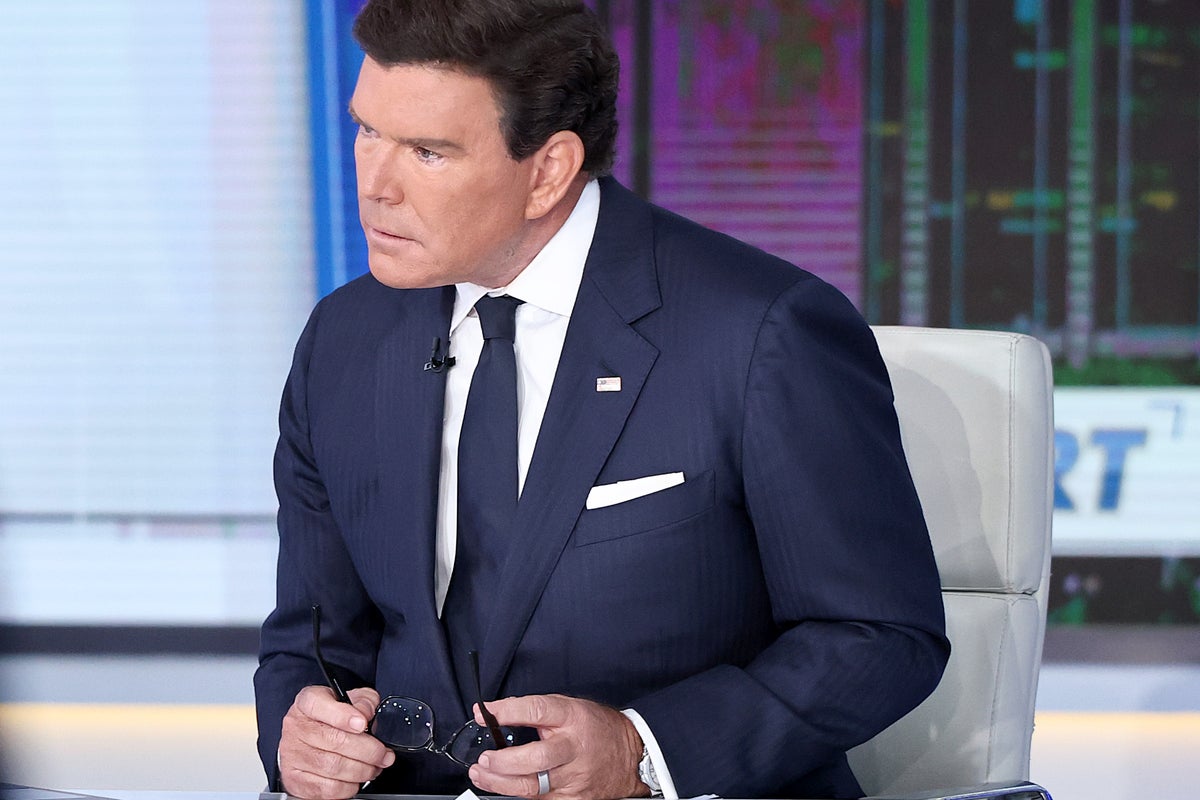
Donald Trump expected absolute loyalty from conservative media. He learned last week that even Fox News has a breaking point. When the former president took to his social media platform to blast a network correspondent over war reporting, he probably anticipated a quiet correction or a muffled apology. Instead, chief political anchor Bret Baier looked straight down the camera lens and pushed back hard.
This rare public friction exposes a deeper tension in modern political coverage. When powerful figures demand narrative control from mainstream outlets, anchors face a difficult choice. They can absorb the blow or defend their newsrooms. Baier chose the latter. The clash offers a fascinating window into how information moves between the White House, conservative networks, and the public during high-stakes foreign conflicts.
What Actually Triggered the War Report Dispute
The immediate conflict started over reporting on the ongoing conflict with Iran. During a segment on Special Report, Fox News correspondent Jonathan Hunt analyzed the diplomatic standoff. Hunt pointed out that no immediate talks were happening between Washington and Tehran. He aired a clip of Trump stating flatly that the administration was not looking to meet or negotiate with Iranian officials.
Trump hated the segment. He fired off a post on Truth Social accusing the reporter of delivering an inaccurate summary. He labeled the journalist one of Bret Baier's "flunkies" and demanded that the anchor step in to straighten out the coverage. Trump insisted that Iranian officials were actually begging to make a deal and criticized the network for missing the mark.
Most politicians complain about media coverage behind closed doors. Trump does it in public, weaponizing his massive follower base against specific reporters. Yet this time, the target had a platform to respond live on air.
How Bret Baier Flipped the Script on Live TV
Rather than ignoring the social media attack, Baier addressed it directly during the broadcast. He didn't stutter. He didn't dodge the issue.
First, he defended his colleague's professional standing. He stated clearly that Jonathan Hunt was an exceptional journalist, not a flunky. Then, Baier methodically broke down the actual reporting to correct the record. He pointed out that the network never claimed Trump wanted to meet with Iranian leadership. In fact, they broadcasted the exact audio clip of Trump rejecting talks.
Baier explained that the broadcast focused on separate diplomatic maneuvers. Treasury Secretary Scott Bessent was working to increase economic pressure on Iran through G-20 nations, while regional allies like Qatar attempted to secure concessions inside Tehran. The distinction mattered, and Baier made sure viewers understood the nuance.
This kind of pushback is rare in modern cable news. Networks often tread lightly to avoid alienating partisan audiences or drawing executive ire. Baier's defense signals a boundary line between commentary curation and factual reporting.
The Broader Chaos Behind Administration Messaging
The fight with Fox News isn't happening in a vacuum. It highlights a much bigger problem inside conservative foreign policy circles. The administration's public statements on Iran have frequently contradicted internal staff reports and diplomatic updates.
Earlier in August, Jared Kushner suggested that backdoor negotiations with Tehran were progressing smoothly. Days later, Trump contradicted that assessment entirely on social media, insisting that no discussions were taking place and rejecting any notion of compromise. This back-and-forth leaves international allies confused and gives reporters whiplash trying to parse official policy.
Even Republican lawmakers have started speaking out about the communication breakdown. Some congressional representatives have privately and publicly urged the administration to streamline its messaging to avoid undermining ongoing peace efforts or signaling weakness to adversaries. When the left hand and the right hand refuse to coordinate, media outlets are left holding the contradictions up to the light.
Why This Media Dynamic Matters Right Now
You might wonder why a spat between a cable anchor and a political figure matters to everyday viewers. It matters because information literacy is harder to maintain than ever before. Audiences expect their favorite networks to reflect their worldview. When reality clashes with political talking points, viewers get caught in the crossfire.
When conservative media outlets challenge the official narrative of a conservative leader, it shakes up traditional media loyalty charts. It proves that institutional newsrooms still maintain some operational independence, even when their prime-time slots lean heavily in one political direction.
If you consume political news, you have to look past the social media outbursts and check the primary sources yourself. Watch the clips. Read the transcripts. Do not rely solely on how a politician interprets a broadcast or how a pundit spins a press release.
Keep an eye on how traditional anchors handle pressure from political heavyweights. The landscape is shifting fast, and the journalists willing to push back are rewriting the rules of engagement.