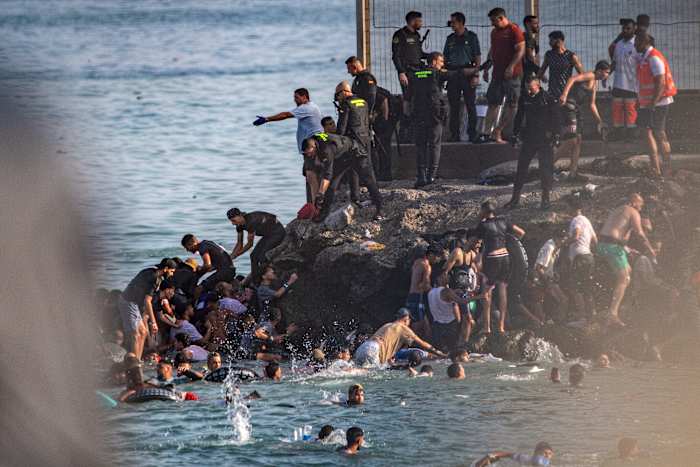
The borders are filling up again. Thousands of citizens are packing cars and booking one-way tickets out of Russia as leaked defense documents point toward a massive new draft.
If you've been watching the war in Ukraine, this mass exodus feels familiar. It happened in 2022. It happened in smaller waves since. Now, facing heavy battlefield losses and mounting pressure from the Kremlin, another military mobilization is looming.
People aren't waiting around to find out if they are next.
Official numbers from border checkpoints tell a stark story. Over 113,000 people and 33,000 cars crossed the Russia-Georgia border through the Verkhniy Lars checkpoint in a single week. The Federal Customs Service even recorded a staggering 20,000 passenger crossings in just one day.
The Reality of Peripheral Mobilization
Why the sudden rush? Word got out about the upcoming autumn draft. Intelligence reports and exiled Russian media outlets indicate that the Kremlin plans to conscript between 300,000 and 500,000 men.
Moscow has learned from past political blowback. During previous drafts, large urban centers like Moscow and St Petersburg saw spikes in public anxiety and local protests. To prevent similar unrest, authorities are shifting strategy.
The new plan targets provincial towns and rural areas. Smaller cities and remote regions will bear the brunt of the recruitment drive. It keeps discontent away from the capital's wealthy districts, shielding the political elite from immediate backlash while fuel shortages and rising prices already strain public patience in major cities.
Eligible citizens include anyone aged between 18 and 70. For a young man living in a small industrial town with few economic prospects, the choice is stark: report to a military recruitment office or leave everything behind.
Where Are They Going?
Neighbouring countries are preparing for the influx. Armenia has emerged as a primary destination, welcoming hundreds of thousands of arrivals since the conflict began. Armenian officials have made it clear they won't turn people away at the border.
Other neighboring states are monitoring the situation closely. Border queues swell daily, turning mountain passes and transit hubs into permanent bottlenecks of stressed families, packed vehicles, and uncertain futures.
The Wider Threat to Europe
The domestic scramble to escape military service happens alongside a much darker geopolitical backdrop. Western intelligence agencies are sounding alarms about potential future escalations that stretch far beyond Ukraine's borders.
Recent warnings suggest the Kremlin might contemplate limited incursions against NATO territory, particularly targeting the Baltic states. Estonia, Latvia, and Lithuania recently sent formal letters to European Union leadership detailing an alarming rise in airspace violations, drone incursions, and a generally deteriorating security environment.
Diplomatic channels are working overtime behind closed doors. Intelligence chiefs have made unannounced trips to Moscow to warn Russian leadership against testing NATO's article five commitments. Yet, actions on the ground speak louder than diplomatic warnings.
What Happens Next
The current wave of emigration drains Russia's remaining professional and working-age population. Brain drain has plagued the country for years, but this forced clearance of military-aged men strips entire regions of their active workforce.
For those choosing to flee, life in exile brings immense financial strain, legal limbo, and cultural displacement. For those left behind, the threat of receiving a draft notice hangs heavy over daily life.
Borders remain open for now, but checkpoints tighten with every passing hour. The window to leave is closing fast.