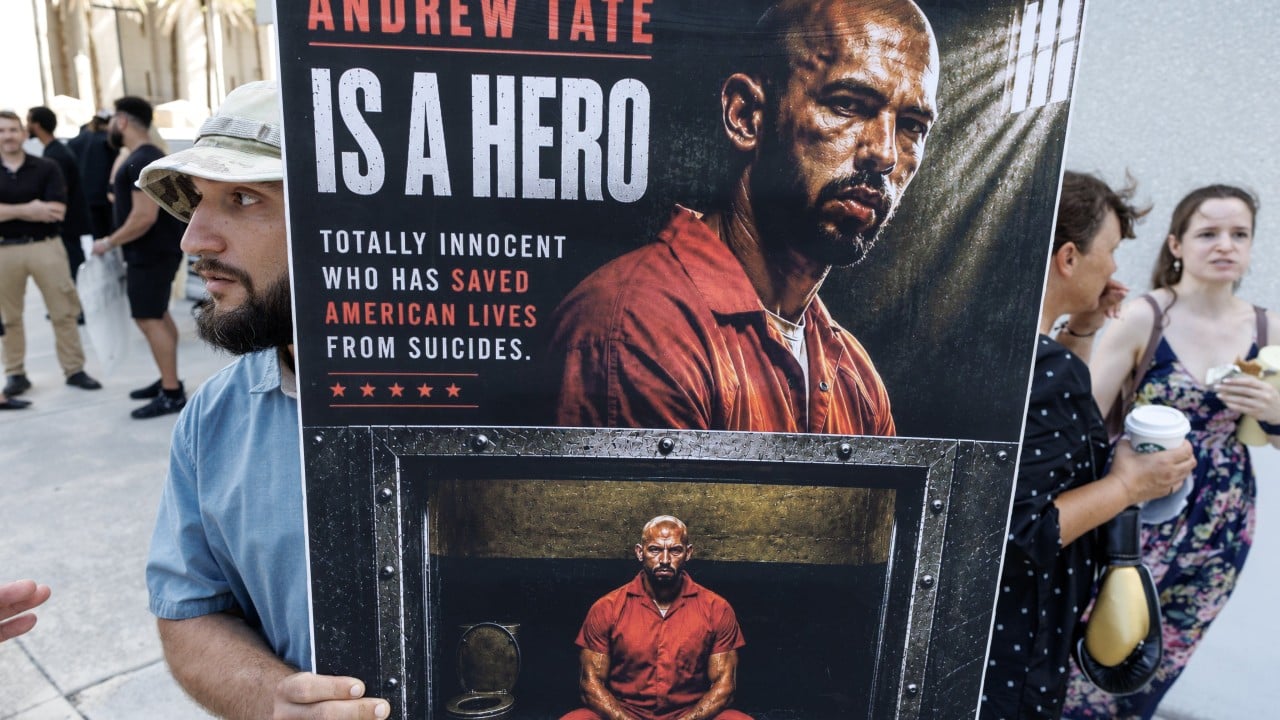
You walk into a federal courtroom in Miami wearing tan prison clothes and heavy metal shackles, knowing your entire empire hangs by a thread. That is exactly where controversial internet personalities Andrew and Tristan Tate found themselves. Arrested on July 18 in a detention center while facing severe rape and sex trafficking charges from the United Kingdom, the brothers are fighting tooth and nail to get out. But getting bail in an international extradition case is nearly impossible.
If you are wondering why this specific legal showdown matters, it comes down to a fundamental clash between online persona and reality. The UK wants them back to face criminal counts, but the defense strategy relies on proving that their flashy internet image was basically theater.
Inside the Miami Courtroom Showdown
During an intense eight-hour hearing before U.S. Magistrate Judge Lauren Louis, both Andrew and Tristan took the witness stand. They argued under oath that remaining locked up in a secure housing unit completely destroys their ability to fight the extradition. Tristan didn't hold back, complaining about harsh jail conditions, claiming he lost 6.4 kilograms eating junk food and dealing with poor sanitation.
Federal prosecutors pushed back hard. They argued that the brothers possess immense wealth, multiple passports, and global influence, making them extreme flight risks. According to the government, no amount of bond money could guarantee they would stay put.
Defense attorneys Joseph McBride and Howard Srebnick countered with a surprising angle. They claimed that the multi-million-dollar superyachts and exotic cars featured in the brothers' viral videos were either rented or pure fiction. Srebnick even compared Andrew Tate's aggressive online persona to Sacha Baron Cohen’s satirical character Ali G, arguing that the violent and misogynistic statements were blown out of proportion for clicks and views.
The Romania Precedent Versus U.S. Law
One of the core arguments from the defense team centers on Romania. The Tates have faced separate criminal proceedings there, yet Romanian authorities allowed them to remain free while those cases moved forward. Defense lawyers pointed out that the brothers complied with every court restriction and never tried to run.
Judge Louis listened carefully, reminding the defense that U.S. extradition law operates under strict domestic rules that don't automatically mirror foreign legal systems. International extradition requests carry a heavy presumption against bail, which leaves the Tates fighting an uphill battle despite their compliance history abroad.
What Happens Next in the Extradition War
The UK has a strict deadline in mid-September to deliver its formal evidence package to the State Department. Until then, the brothers sit behind bars waiting for a final ruling on their custody status.
If you are tracking this case, watch how the court handles the distinction between the "character" played online and the actual individuals facing charges. Legal experts know that walking back years of monetized braggadocio in front of a federal judge is a massive gamble.
Review the court filings as the UK submits its final evidence, and monitor how federal magistrates interpret flight-risk arguments when digital assets and international influencers are involved.
Tate brothers ask judge to be released from Miami jail as they fight extradition to U.K.
This video provides additional footage and context regarding the Tate brothers' court appearance in Miami as they fight their extradition to the United Kingdom.
http://googleusercontent.com/youtube_content/1