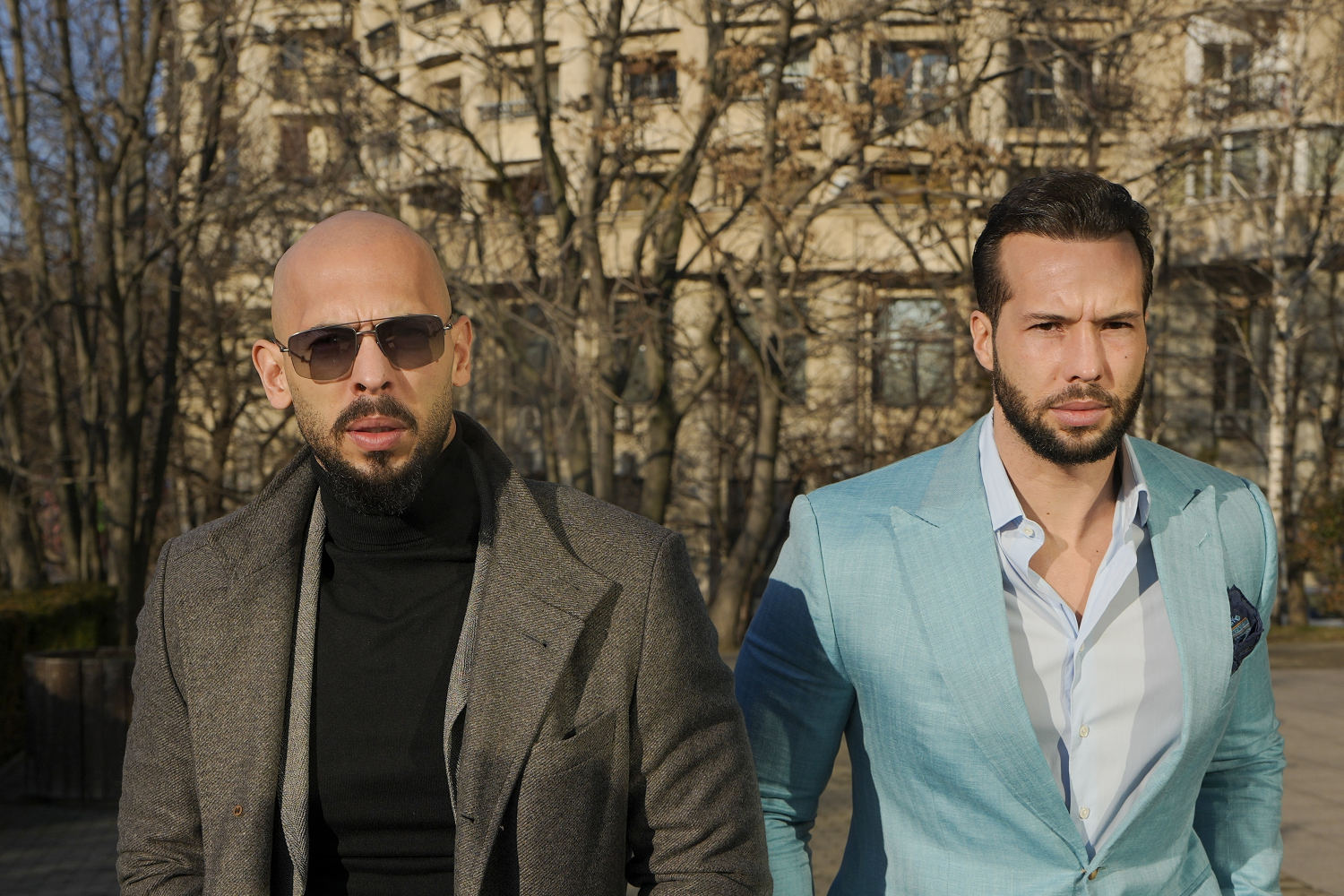
High-profile legal battles rarely unfold quietly, especially when the defendants have spent years building empires on shouting matches and viral provocation. If you have been following the news out of a Miami federal courtroom, you know Andrew and Tristan Tate aren't just fighting paperwork. They are fighting to stay out of a British prison cell.
With the United Kingdom pushing hard for their return on serious criminal charges involving sexual exploitation and human trafficking, the brothers found themselves shackled in beige prison garb during an intense bail hearing. Tristan Tate took the witness stand under oath, arguing that his detention in Miami is preventing him from properly defending himself against an avalanche of legal claims. But winning bail in an international extradition case is basically like trying to win the lottery with a ticket you found on the sidewalk. Federal prosecutors are leaning heavily into the gravity of the allegations, pushing a strong presumption of detention. For a different perspective, read: this related article.
What Most People Miss About the Extradition Drama
The core question behind this entire spectacle isn't just whether the Tates will post bond or surrender their passports. The real issue is how international extradition treaties operate when high-net-worth influencers with dual citizenship become targets of cross-border prosecution.
According to filings from the U.S. Attorney’s office in Miami, British authorities are seeking the brothers on dozens of charges spanning several years. The U.K. government faced a firm deadline of September 16 to submit its full extradition package to the State Department. Defense lawyers argue that the Tates cooperated with court orders in Romania, proving they aren't flight risks. Prosecutors counter that the sheer severity of the accusations—including allegations of forced acts and severe violence—makes them a distinct danger to the community. Related insight on the subject has been shared by Wikipedia.
When you look past the courtroom theatrics, standard extradition mechanics don't favor people accused of major offenses abroad. Federal judges rarely grant bail in these situations unless there is an overwhelming medical emergency or an extraordinary lack of probable cause.
The Defense Strategy And Its Limits
The legal team representing the Tates tried a multi-pronged approach to convince U.S. Magistrate Judge Lauren Louis to let them walk out on bond. They proposed electronic monitoring, heavy financial sureties, and the immediate surrender of travel documents.
Yet, the prosecution presented a very different picture. Prosecutors argued that the brothers possess the financial resources and global connections to slip away if given the chance. They also brought up previous complications from the ongoing legal hurdles in Romania, where the Tates have faced separate human trafficking allegations.
Defense attorneys countered that online personas shouldn't be confused with actual criminal behavior, claiming that much of the controversial content broadcasted online is just performance art designed to drive engagement. Prosecutors didn't buy it, playing clips in court to argue that the rhetoric online directly mirrors the violent nature of the offenses alleged by British victims.
Where the Case Goes From Here
If you are wondering what happens next, the timeline is long and messy. A ruling on the current bail application won't end the dispute. Even if a judge eventually certifies the extradition request, the defense can launch a series of appeals, including petitions for a writ of habeas corpus that can drag out the process for months or even years.
International legal frameworks give very little wiggle room once a formal treaty request lands on the desk of the State Department. For now, the brothers remain behind bars in Florida, waiting for judicial decisions that will dictate whether they face a jury in London.
Tristan Tate testifying for bail in Miami court
This video provides an overview of the high-stakes courtroom proceedings and the arguments presented during the prolonged bail hearing in Miami.
http://googleusercontent.com/youtube_content/1