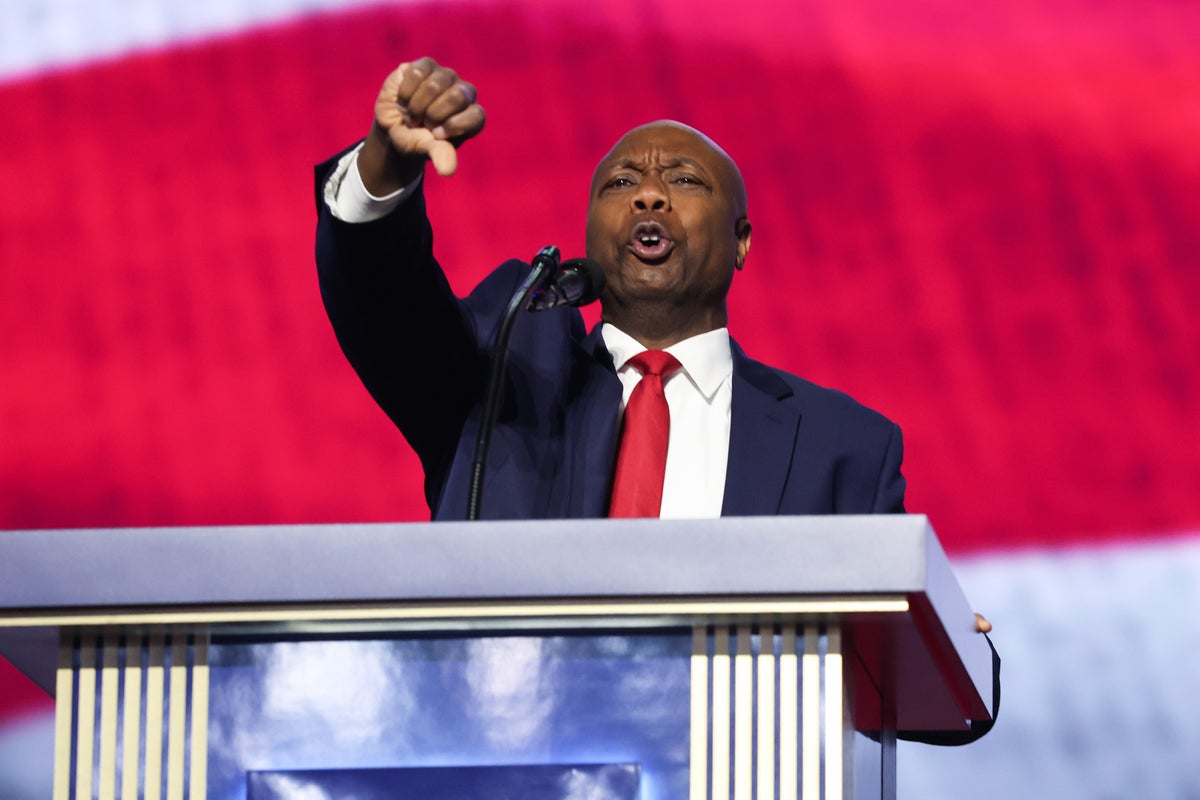
Political debates used to happen on the house floor with structured rules and formal language. Not anymore. Today, America's highest-stakes political arguments play out in the digital mud, featuring cheap shots and personal insults.
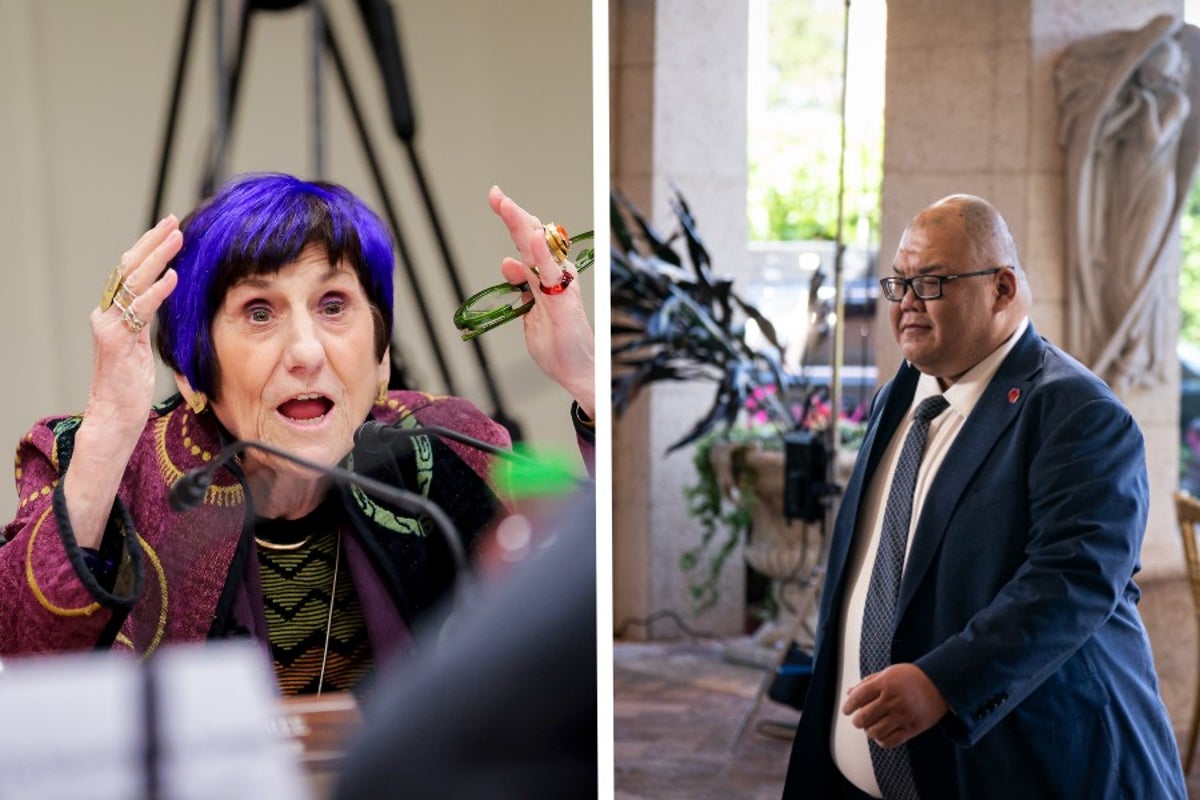
The recent online clash between White House Communications Director Steven Cheung and veteran Democratic Representative Rosa DeLauro is a perfect example of this shift. It wasn't a debate over inflation, tax policies, or government spending. Instead, it degenerated into a vicious social media brawl centered around body shaming and personal jabs.
When a top presidential aide and an 83-year-old lawmaker trade insults online, it tells us everything we need to know about modern political communications.
A playground fight between Washington power players
The drama kicked off when Rosa DeLauro, a long-serving congresswoman from Connecticut known for her sharp policy stances and colorful personal style, criticized the administration's policy decisions. Enter Steven Cheung. Known for his aggressive, no-holds-barred defense of Donald Trump, Cheung didn't counter with a policy memo or a standard press release. He went straight for the jugular.
Cheung fired back on social media with a cutting remark targeting DeLauro. The exchange quickly escalated when onlookers and supporters jumped in, but the core of the fight remained between the high-profile aide and the octogenarian lawmaker.
The defining moment came when the phrase "Crazy coming from you" was hurled into the mix, sparking a wave of partisan engagement. Supporters on both sides rushed to defend their champion, turning a petty personal spat into a viral news event.
The strategy behind the schoolyard taunts
People often wonder why professional adults at the highest levels of government behave this way. It's not an accident. It's a deliberate strategy.
For someone in Cheung's position, aggressive counter-punching is the entire brand. His background in the Ultimate Fighting Championship (UFC) communications department isn't a secret. He handles political press like a fight promoter hyping a main-event match. The goal isn't to persuade opponents or win over independents with logical arguments. The goal is to dominate the news cycle and signal strength to the base.
On the other side, establishment lawmakers like DeLauro find themselves forced to adapt to a media environment that rewards conflict over substance. When traditional press releases get ignored, firing back on X becomes the only way to get noticed.
What this means for the future of American politics
This brawl highlights a permanent change in how Washington communicates. The line between official government communications and internet trolling has officially vanished.
When body shaming and ageist jabs become standard tools for top officials, it alters public expectations. It trains voters to look for entertainment rather than governance. It makes compromise impossible because you can't easily negotiate with someone who just mocked your appearance in front of millions of people.
Pay attention to how these interactions drive fundraising. Every insult is immediately clipped, packaged, and sent out in donor emails. Conflict drives cash. Until the financial incentives for political mudslinging change, expect the rhetoric to get even meaner.
Turn off the notifications, look past the viral insults, and judge these public figures by their actual legislative actions rather than their internet theater.