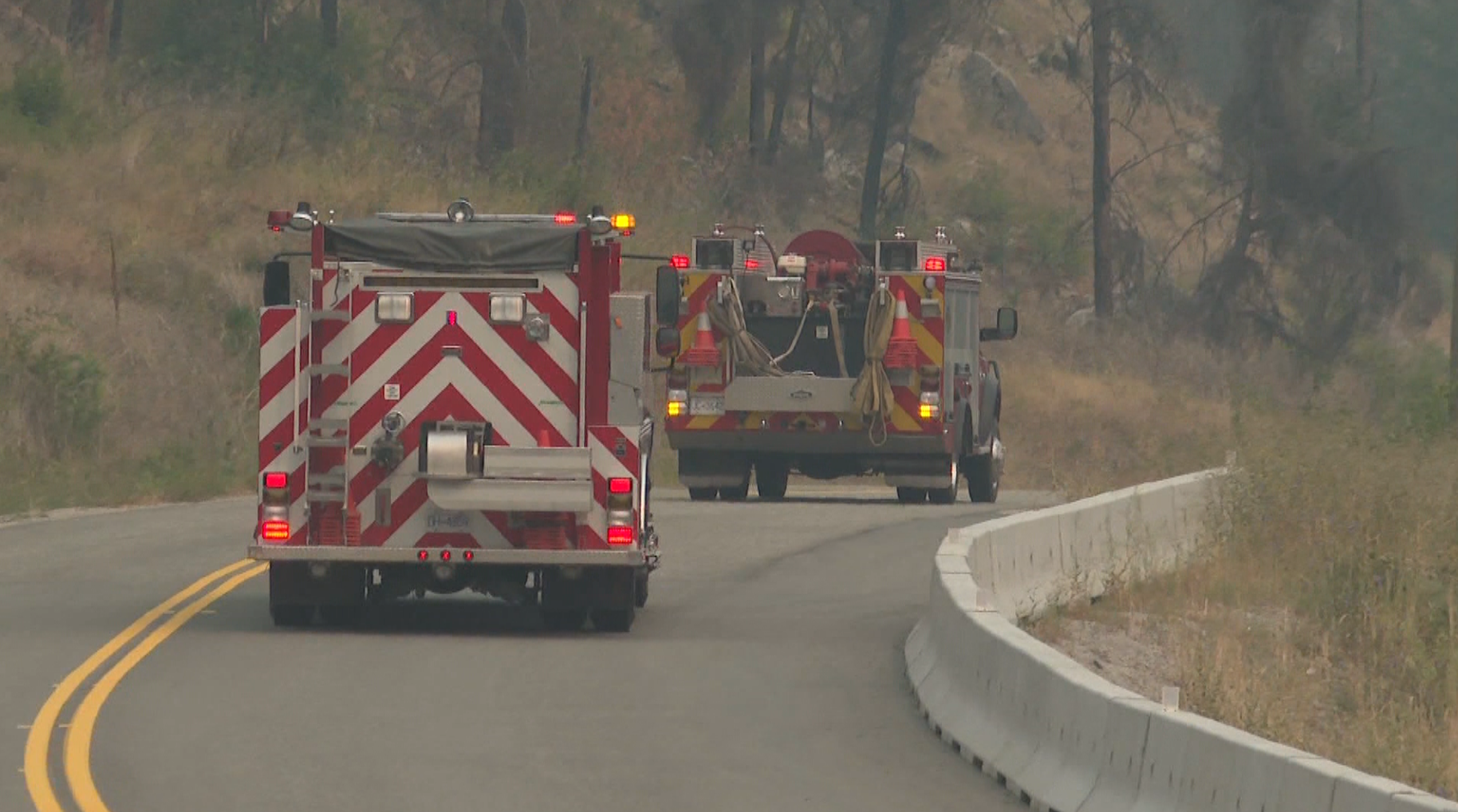
An evacuation order isn't a polite request you can choose to ignore when the wind shifts. Yet, emergency officials in the Central Okanagan keep running into the same dangerous problem: people refusing to pack up and clear out.
If you're sitting inside an active evacuation zone near the Quilpituk Creek wildfire north of West Kelowna, you need to leave right now. Central Okanagan Emergency Management (COEM) has made it explicitly clear that staying puts an immense, unnecessary burden on firefighters and paramedics who shouldn't have to risk their lives rescuing stubborn homeowners.
The Reality of Staying Behind
When a wildfire like the Quilpituk Creek fire—spanning over 1,100 hectares—threatens local communities, basic infrastructure fails fast. Power grids go down. Water mains run dry. If you think you can ride it out with a garden hose and a generator, you're rolling the dice on a firestorm.
Emergency responders won't always be able to reach you. Local authorities have warned that deliveries of food, fuel, and emergency supplies are strictly prohibited inside the active order zones. If you stay, you're on your own.
Why First Responders Hate Self-Deployment
A lot of folks think they're helping by staying back to protect property or wet down roofs. In reality, you're creating a hazard.
When firefighters see smoke or spot a light on inside an evacuation zone, resources get diverted. Instead of fighting the fire line, crews have to spend valuable minutes checking on holdouts or performing emergency extractions.
- Egress routes vanish without warning when erratic winds push flames across highways.
- Emergency services cannot guarantee timely medical response times behind police roadblocks.
- Smoke toxicity can overwhelm anyone ill-equipped to handle heavy particulate matter without proper industrial gear.
What to Do If You're on Alert
If your neighbourhood is currently under an evacuation alert rather than an order, don't wait for a second warning to pack your essentials. Grab your pets, crucial legal documents, medications, and a bag of clothes right now.
When the alert turns to an order, you have minutes, not hours. Drive out safely while the roads are still open and visible. Check local emergency portals like the Regional District of Central Okanagan for live updates, and heed every directive the moment it drops. Leave the lines clear for the crews working to save your town.