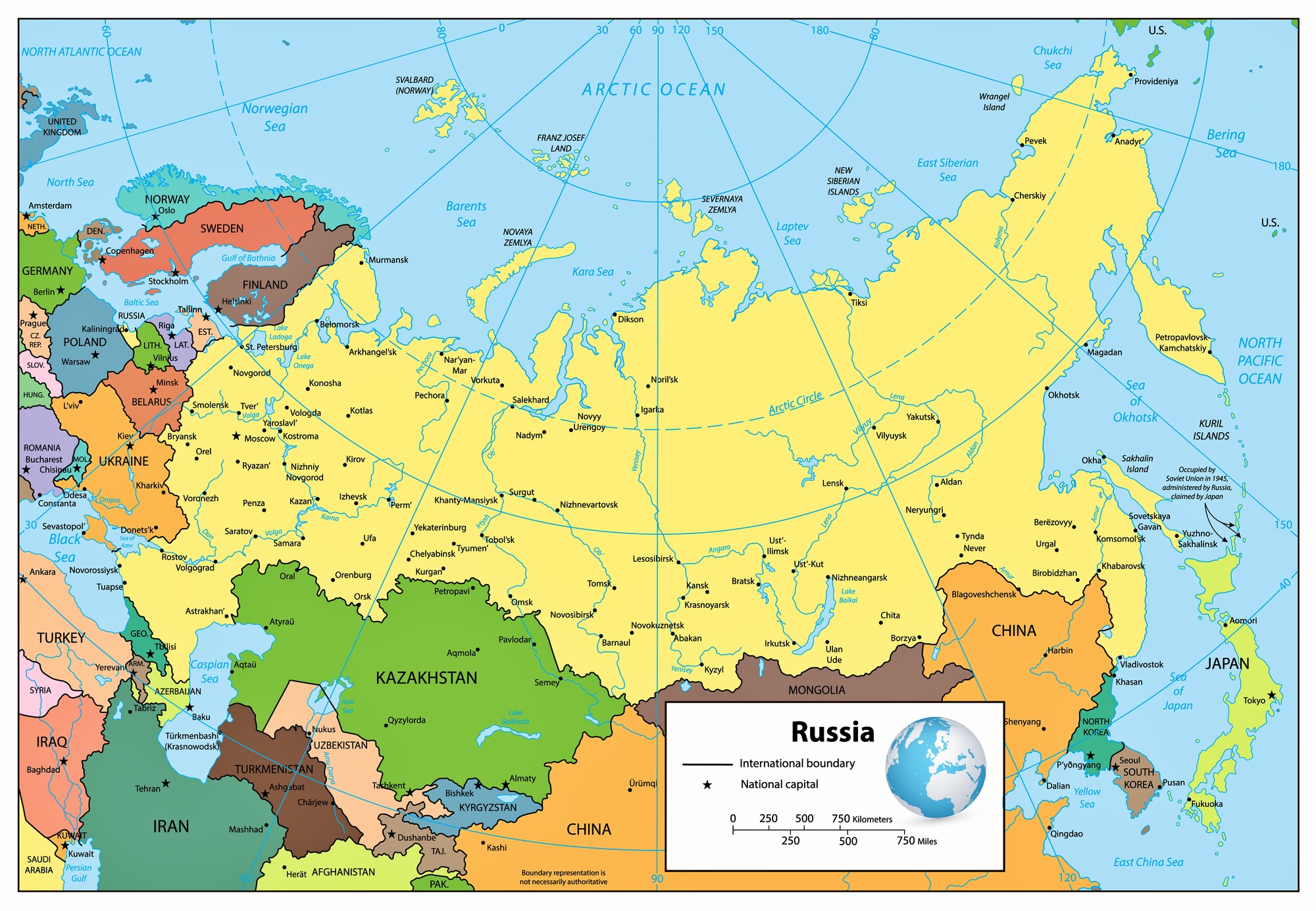
Diplomatic channels between Moscow and Berlin are snapping completely. Russia just ordered the closure of the German Consulate General in St. Petersburg and shut down cultural institutions like the Goethe-Institut. Diplomats have days to pack up and get out. This is not standard diplomatic friction. It is a tit-for-tat escalation triggered by a failed drone attack at Leipzig/Halle Airport, and it signals that any remaining bridges between Russia and Western Europe are burning fast.
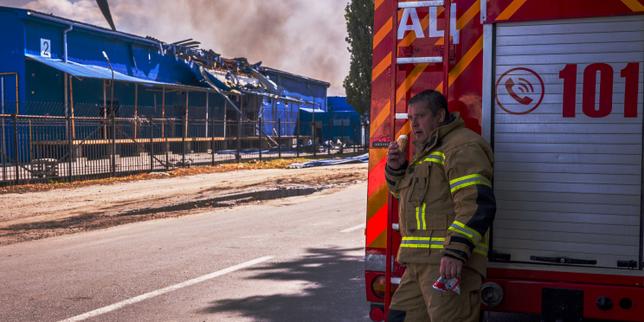
Why are things spiraling now? Berlin acted first after investigating an early August incident at Leipzig/Halle Airport, one of Europe's main logistics hubs. An explosives-laden drone was discovered near a Ukrainian cargo plane. The detonator failed, avoiding a massive disaster. German authorities pinned the blame directly on Moscow, pointing to suspects with ties to Russian intelligence. In response, Germany shut down the Russian consulate in Bonn and the Russian House cultural center in Berlin. Moscow fired back immediately, accusing Germany of fabricating evidence and calling the accusations a declaration of war. Expanding on this theme, you can also read: What Nyc Officials Knew About 911 Toxic Air And Why They Kept It Quiet.
You might wonder how this affects everyday travel, business, or basic communication. The short answer is that consular services are vanishing. When consulates close, citizens stranded abroad lose their local lifeline. Visa processing stops. Emergency travel documents become nearly impossible to secure on short notice. If you're a German national living in St. Petersburg or a Russian citizen trying to navigate bureaucratic paperwork, your life just got infinitely harder.
This collapse isn't happening in a vacuum. Across Europe, governments are slashing Russia's diplomatic footprint. Poland kicked out Russian consulates over suspected sabotage operations. Security agencies claim Moscow is running a shadow campaign of cyberattacks, arson, and covert disruptions designed to break European morale and fracture support for Ukraine. Moscow denies every word of it, claiming these moves are part of a coordinated anti-Russian smear campaign. Experts at Wikipedia have also weighed in on this situation.
The reality on the ground is grim. We are watching the complete dismantling of post-Cold War institutional ties. Cultural ties that survived decades of political hostility are now being weaponized or shuttered entirely. The Goethe-Institut in Russia, which opened right after the Soviet collapse in 1992 to foster cultural exchange, has been ordered to halt all activities.
There is no cooling-off period in sight. Both sides have locked into a cycle of mutual retaliation where backing down is viewed as a sign of weakness. If you deal with cross-border legal, cultural, or business matters involving Russia and Germany, expect total administrative gridlock. Check your documents now, secure alternative legal channels, and prepare for a long, frozen stalemate.
Russia Shutters German Consulate as Diplomatic Freeze Deepens After Drone Dispute
This video provides a concise visual overview of how the closure of the German consulate in St. Petersburg unfolded following the Leipzig airport drone dispute.
http://googleusercontent.com/youtube_content/1