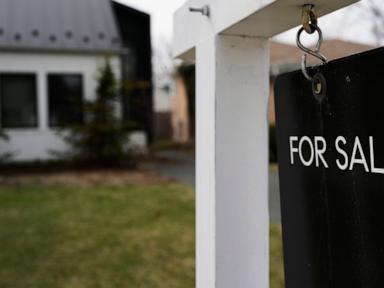
Buying a house right now feels like running up a descending escalator. You sprint, you sweat, and you barely move an inch forward. The benchmark 30-year fixed home loan recently crawled up to 6.76 percent according to Freddie Mac data. That marks the third consecutive week of increases, pushing long-term borrowing costs to their highest point in over fourteen months.
If you are trying to buy your first property or trade up to a larger place, this isn't just a minor blip on a financial chart. It translates directly to hundreds of extra dollars vanishing from your monthly budget. It shrinks your purchasing power into oblivion.
Let's look past the sterile headlines and break down what is actually happening in the housing market, why waiting on the sidelines might backfire, and how you can navigate this messy environment without losing your sanity.
The Real Math Behind a 6.76 Percent Mortgage Rate
Numbers get thrown around a lot in financial news, but let's talk about actual cash. When the average 30-year fixed rate sits at 6.76 percent—up from 6.71 percent the prior week and higher than the 6.35 percent rate seen around the same time last year—the math changes instantly.
On a standard median-priced home, that fractional bump translates to thousands of dollars extra in interest over the life of the loan. More importantly, it hikes the monthly principal and interest payment beyond what many household budgets can comfortably absorb.
Buyers face a brutal double standard. Home prices refuse to drop significantly because inventory remains choked off. Sellers who locked in ultra-low mortgage rates of 3 percent or lower back in 2020 or 2021 refuse to sell and trade into a 6 percent-plus environment. Why would they? They are trapped by their own low rates.
This creates a frozen market. Supply stays low. Demand stays suppressed but persistent. Prices hold firm. And you get squeezed in the middle.
Why Waiting for Rates to Crash Is a Dangerous Game
Every prospective buyer asks the same question. Should I wait for rates to drop?
It sounds logical on paper. If rates fall, monthly payments drop. But waiting carries a hidden cost that most people ignore. When rates eventually dip, every other sidelined buyer waiting for the exact same signal will flood the market simultaneously.
That surge of competition triggers bidding wars. Home prices will spike. You might secure a slightly lower interest rate, but you will likely pay twenty or thirty thousand dollars more for the actual house. You end up trading a high monthly interest payment for an inflated principal balance. The math rarely works out in your favor.
Instead of trying to time the macroeconomic environment—something even professional bond traders fail at consistently—you have to focus on what you can control.
Practical Ways to Fight Back Against High Borrowing Costs
You cannot bully Freddie Mac into lowering rates. You cannot force a seller to slash their asking price by fifty grand just because borrowing is expensive. You can, however, optimize your personal financial setup to blunt the impact of high mortgage rates.
Shop Around for Your Lender
Too many buyers accept the first pre-approval letter handed to them by their retail bank. That laziness costs thousands of dollars. Local credit unions, regional banks, and online brokers often offer vastly different rates and lower origination fees. Get at least three distinct quotes. Pit them against each other. Force lenders to compete for your business.
Consider Alternative Loan Structures
An adjustable-rate mortgage or a shorter 15-year term might make sense depending on your career trajectory and how long you plan to stay in the home. While 30-year fixed loans offer peace of mind, they also come with a pricing penalty for that security. Look closely at all options with an independent financial advisor.
Build a Larger Cash Buffer
In a market where monthly payments are heavy, closing with a larger down payment acts as your best defense. It directly lowers the loan amount, reducing your monthly exposure and occasionally helping you secure a tier-better interest rate from cautious lenders.
Stop waiting for the housing market to rescue you. Deal with the reality of today's rates, shop aggressively for your loan terms, and buy when the monthly payment fits your actual life, not your wishlist.