Libya's permanent state of political fracture just got another high-level visitor trying to glue the pieces back together.
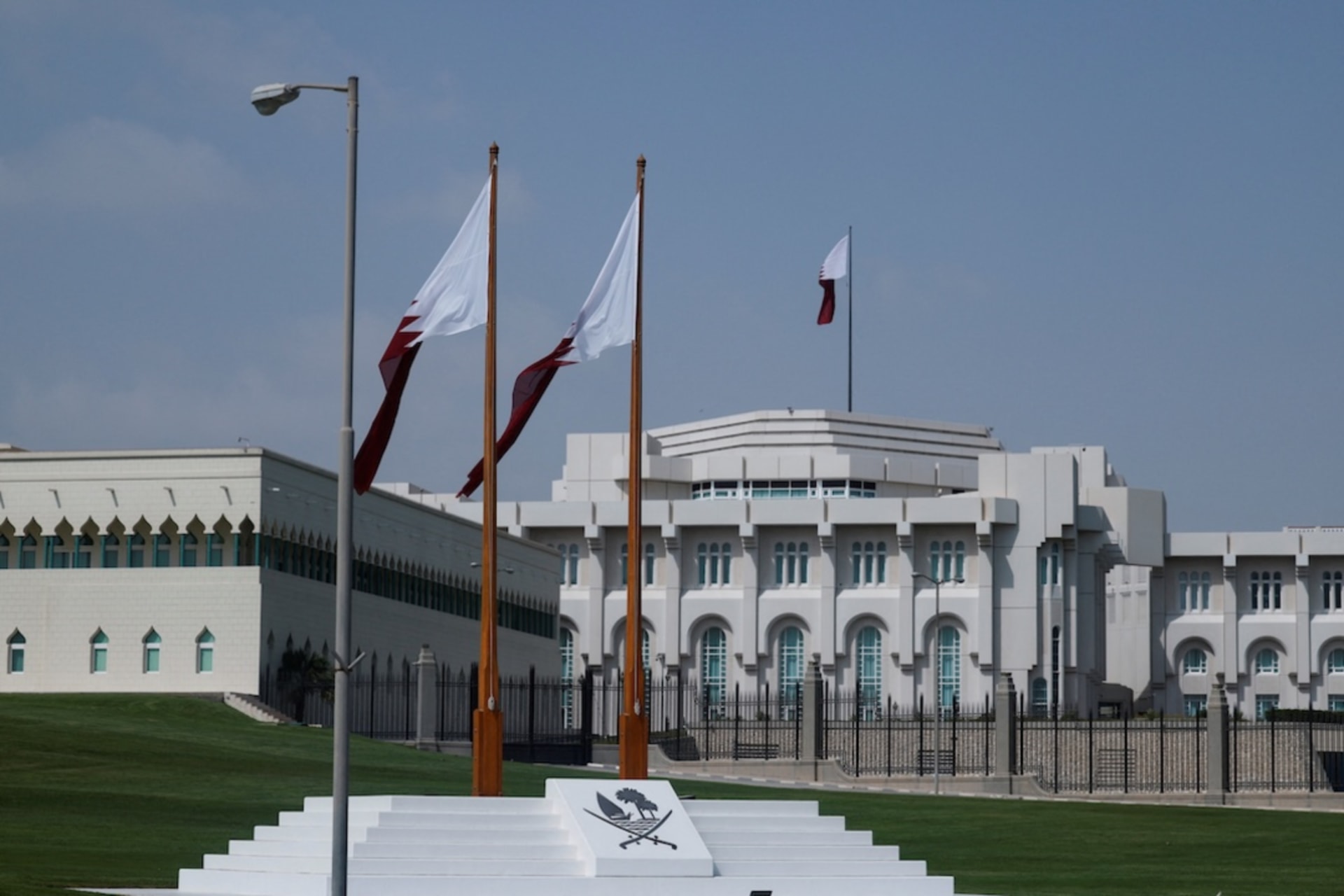
Doha is stepping back into the diplomatic ring. Qatari Minister of State Mohammed bin Abdulaziz al-Khulaifi traveled straight to Benghazi to meet with eastern military commander Khalifa Haftar, following previous stops in Tripoli. The diplomatic mission comes directly on the heels of a fragile new election pact hammered out by a joint committee in Tunisia. If you've been watching Libya's revolving door of peace deals over the past decade, you know skepticism isn't just justified—it's practically a survival skill.
Qatar's messaging is clear. They want to back United Nations-led efforts to end the country's severe split. But looking past the diplomatic handshakes reveals a much messier reality on the ground.
The Reality Behind the New Election Pact
A group known as the 4+4 committee—drawing members equally from the eastern House of Representatives and the Tripoli-linked High Council of the State—recently agreed on an initial text. They set a 24-month roadmap to rewrite electoral laws and finally push presidential and legislative ballots across the finish line.
Sounds great on paper. In practice? It's standing on toothpicks.
Many key players claim they were completely sidelined from the negotiations. They haven't even seen the final draft. When domestic factions are left out of the loop from day one, implementation turns into a nightmare.
Libya has remained partitioned since 2014. On one side sits Abdul Hamid Dbeibah's Government of National Unity in Tripoli. On the other stands the eastern administration backed by Haftar's Libyan National Army. Bridging this chasm requires more than good intentions. It demands solving deep institutional gridlock and overcoming years of intense mutual mistrust.
Why Qatar's Engagement Matters Now
Doha isn't just showing up for photo ops. During his tour, al-Khulaifi met with top officials across multiple factions, including Prime Minister Dbeibah in Tripoli and High Council leaders. They didn't just talk about elections either. Economic ties, health services, energy cooperation, and joint security frameworks—like handling irregular migration alongside Turkey and Italy—are all part of the conversation.
Why would Qatar insert itself into this volatile mix right now?
Regional diplomacy has shifted. Mid-sized powers want stability in North Africa to secure trade routes, curb migration crises, and block competing influences. By engaging with both eastern and western power brokers, Qatar positions itself as an indispensable mediator. They talk to Tripoli. They talk to Benghazi. That kind of open-door policy is rare.
Local analysts point out a glaring blind spot in the current 24-month pact. Even if the legal hurdles magically disappear, who actually runs the country during the interim period? The agreement avoids answering that hard question. Without an interim governance framework that both armed camps accept, elections are just a shiny distraction.
What Needs to Happen Next
If this latest push by Qatar and international bodies is going to avoid the fate of previous failed roadmaps, several things must change immediately:
- Expand the Table: Bring excluded political figures and local municipal leaders into the actual text-drafting process, rather than forcing top-down compromises.
- Clarify Interim Power: Establish a neutral, agreed-upon administrative body to manage state resources and security forces while elections are organized.
- Enforce Accountability: Tie international diplomatic backing to strict adherence to timelines, ensuring local spoilers face real consequences for blocking progress.
Libyans are tired of endless transitional phases that only benefit entrenched elites. Until international backers like Qatar force local rivals to compromise on actual power-sharing, expect more handshakes, more blueprints, and the exact same division.