Headlines promised a reckoning. Instead, the high-profile crusade to hold Dr. Anthony Fauci in criminal contempt of Congress has quietly ground to a halt.
If you have been following Capitol Hill drama, you know the script. Republican lawmakers want blood over pandemic policies, congressional hearings, and the endless debate surrounding the origins of COVID-19. They voted to push a contempt referral forward. They wanted the Department of Justice to act.
Yet reality has finally crashed into political theater.
The primary reason this entire push is stalling out comes down to basic mechanics and legal anxiety. According to reporting from The Wall Street Journal, the White House and federal attorneys are quietly realizing that the maneuver used to target Fauci might not survive an actual courtroom. Lawmakers tried a shortcut. They bypassed the standard full-chamber floor vote, which would have faced an impossible 60-vote hurdle in a divided Senate.
Instead, fierce Fauci critic Senator Rand Paul looked for workarounds, hoping to get Vice President JD Vance to certify the contempt referral directly. But executive branch lawyers do not want to touch a legally shaky framework that sets a dangerous precedent.
Let's look at what is actually happening beneath the political posturing.
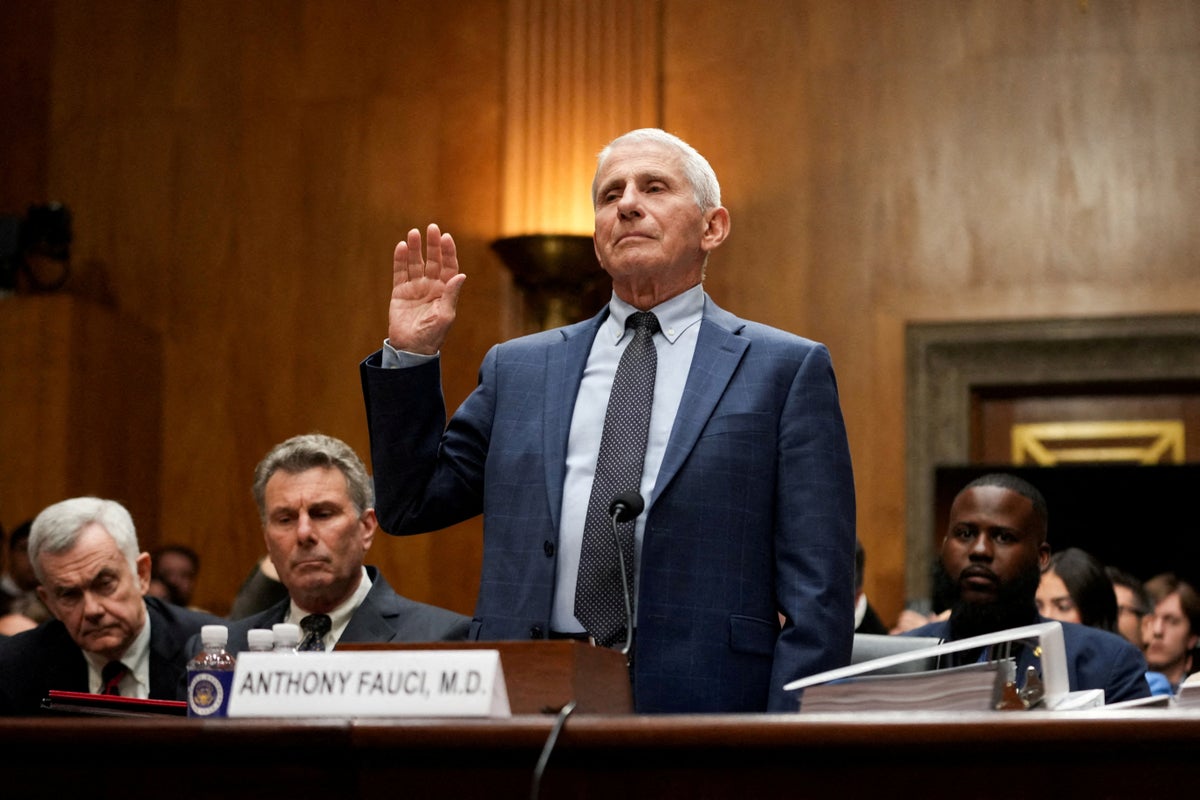
When Fauci appeared before congressional investigators, he did what any smart defense attorney would tell their client to do. He invoked his Fifth Amendment right to remain silent. He did this after accusing critics of running a partisan campaign designed to put him behind bars for cameras and cable news hits.
Republicans argue that invoking the Fifth falls apart because Fauci already holds a preemptive pardon issued by President Joe Biden before he left office. Constitutional law scholars, however, point out that things are rarely that clean-cut. A pardon stops criminal prosecution, but compelling testimony through a tangled congressional subpoena creates a muddy constitutional mess that the Justice Department would rather avoid untangling.
This brings up a larger problem with modern political investigations. They are built for media consumption, not courtroom success.
When politicians treat committee rooms like campaign stages, they often skip the meticulous, boring evidentiary work required to make a legal charge stick. They want the soundbite of a referral vote. They want to tell voters they tried to hold someone accountable. But when the paperwork actually lands on a prosecutor's desk, the procedural shortcuts become glaringly obvious.
If you are wondering what happens next, look at the incentives. For congressional investigators, the threat of prosecution is often more valuable than an actual trial. An open-ended investigation generates endless fundraising emails, committee clips, and prime-time interviews. An actual court case gets bogged down in federal discovery, technical motions, and motions to dismiss—places where political rhetoric loses to federal rules of evidence.
The attempt to prosecute Fauci is colliding with the hard limits of constitutional law. Until lawmakers stop prioritizing headlines over airtight legal procedure, these high-stakes referrals will keep dying a quiet death in administrative limbo.
Check the committee calendars yourself. Watch how quickly fiery rhetoric turns into procedural delays when real lawyers get involved. Don't mistake noise for action.