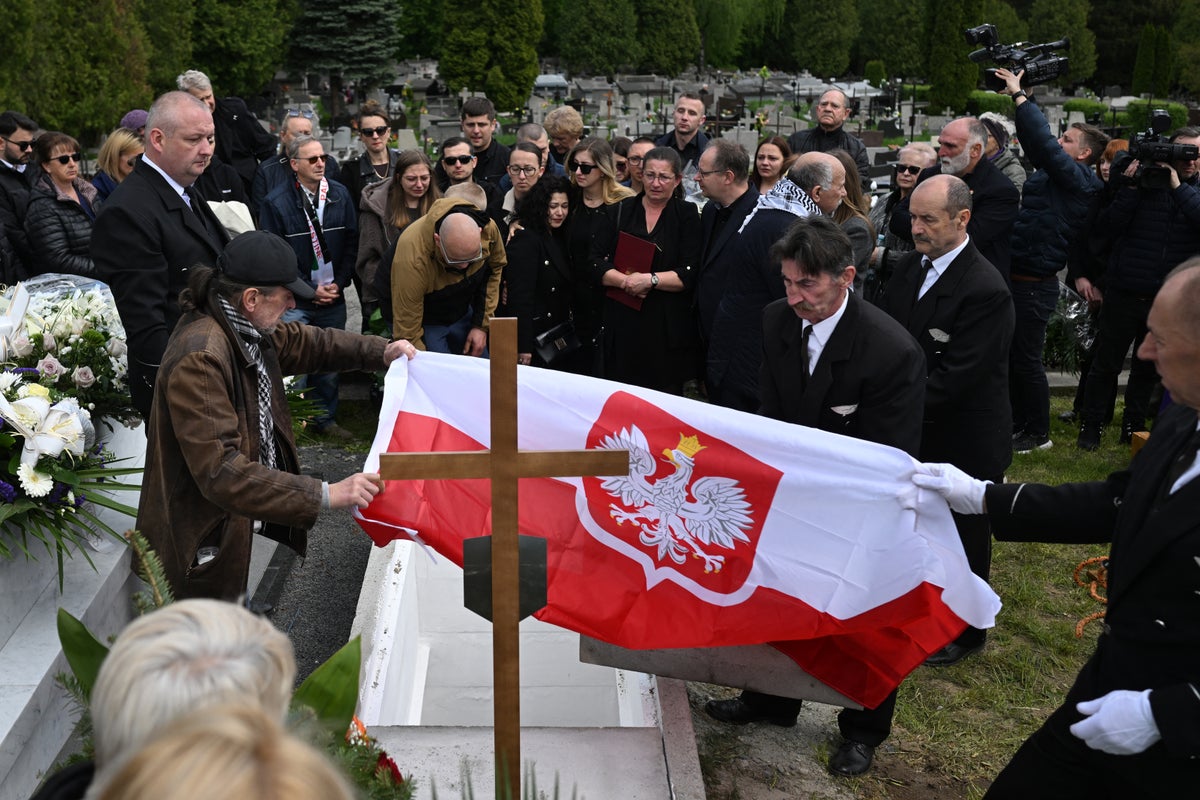
When a humanitarian volunteer is killed in an active conflict zone, the world expects transparency. We expect accountability. But what we got from the Israeli government regarding the death of Damian Sobol is a slap in the face to justice. Poland’s recent anger isn't just diplomatic theater. It’s a direct response to a decision that fundamentally undermines the safety of those trying to keep people alive in war zones.
Damian Sobol was doing what he loved. He was a volunteer for World Central Kitchen, operating in Gaza to deliver food to those starving. In April 2024, his life—and the lives of six colleagues—ended in an Israeli airstrike. The international community, including Australia and Poland, waited. We waited for a thorough investigation. We waited for someone to be held accountable for the catastrophic failure that led to the deaths of these seven aid workers.
Instead, we got a closed file.
Israel decided to drop criminal proceedings regarding the strike. That’s it. No one is paying the price. No one is facing a courtroom. It’s over. This decision, announced in mid-August 2026, has left Warsaw absolutely livid.
The breakdown of trust
The Polish Ministry of Foreign Affairs didn't mince words. They summoned the Israeli ambassador to register their "very disappointed" stance. If you look at the diplomatic language being used, "disappointed" is actually quite soft. In reality, Warsaw is signaling that their cooperation with the Israeli judicial process has hit a brick wall.
Why does this matter so much? Because humanitarian aid isn't supposed to be a target. The international rules of war are built on the idea that aid workers—who are neutral and unarmed—should have clear passage. When a military force hits a marked convoy and then refuses to pursue criminal charges against the individuals responsible, they are basically telling the rest of the world that international law is optional.
It’s not just Poland. Australia is also outraged. Penny Wong, the Australian foreign minister, voiced similar frustrations, especially because the news broke on World Humanitarian Day. It’s hard to imagine a more insulting timing.
Why this is a dangerous move
Let’s be honest about the consequences of this decision. If there are no consequences for killing aid workers, then the threshold for "acceptable collateral damage" drops to zero. Aid organizations operate on the assumption that if they coordinate their movements with military forces, they will be protected. That is the agreement. That is the standard.
By closing this case without prosecution, the Israeli government has effectively told humanitarian groups that they are operating at their own risk. It doesn't matter how much they coordinate. It doesn't matter how clearly their vehicles are marked. If the military decides to fire, nobody is going to answer for it.
This is a massive shift. It destroys the incentive for organizations like World Central Kitchen to continue their work in high-risk zones. If you were a volunteer, would you sign up for a mission knowing that your government won't fight for justice if you are killed?
What happens next
Poland isn't just taking this lying down. A parallel investigation is currently being conducted by the District Prosecutor’s Office in Przemysl. They want answers. They are demanding that Israeli authorities hand over the materials and explanations requested by their own investigators.
Honestly, they have a right to be suspicious. When a state refuses to conduct a criminal inquiry into the death of a foreign national on their watch, they look like they are hiding something. It’s not a good look. It erodes whatever remaining goodwill exists between these nations.
If you are following this story, watch what happens with the Przemysl investigation. That is where the real pushback is happening. Poland is forcing the issue, refusing to let the Israeli government’s convenient "discontinuation" of proceedings have the final word.
Actionable steps for those tracking accountability
If you care about the integrity of international humanitarian law, you need to look at these three areas:
- Monitor the bilateral diplomatic fallout: Watch for whether Poland follows through on limiting intelligence or military cooperation with Israel as a direct consequence of this snub.
- Pressure your own representatives: If you live in a country that provides military aid to Israel, ask your representatives specifically how they justify that aid when the partner government refuses to prosecute the killing of aid workers from allied nations.
- Support independent reporting: Mainstream media outlets often sanitize these diplomatic clashes. Look for detailed breakdowns from international human rights organizations that track the actual movement of military assets in these zones.
The message is clear. Without consequences for the destruction of aid convoys, these tragic incidents will continue to happen. Poland has decided they are no longer willing to accept the silence. The rest of the world should be paying very close attention to what they do next.