When a 6.7 magnitude earthquake hits, the first reports are almost always wrong. If you’re checking news headlines, you’re likely seeing conflicting accounts about damage in southern Peru. One outlet claims there’s no damage; another reports dozens of homes destroyed. This confusion is standard in seismic events, but it’s dangerous for those trying to understand the actual risk.
I’ve tracked enough of these events to know that the gap between a "tremor" and a "disaster" usually boils down to one thing: depth.
The Depth Reality
The United States Geological Survey (USGS) initially pinned this August 20, 2026, earthquake at a depth of 66 kilometers, though some local reports suggest deeper. Why does this matter? If this same magnitude 6.7 quake had hit at a depth of 10 kilometers, we wouldn't be talking about a few damaged schools. We’d be talking about a total catastrophe.
Deep quakes dissipate their energy through a much larger volume of the earth's crust before reaching the surface. That’s why you’re reading reports of the shaking being felt as far away as Lima—nearly 800 kilometers from the epicenter near Upahuacho—without the massive surface devastation that usually levels entire districts.
The Damage Breakdown
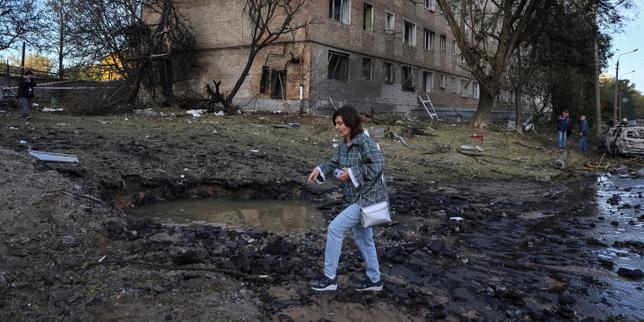
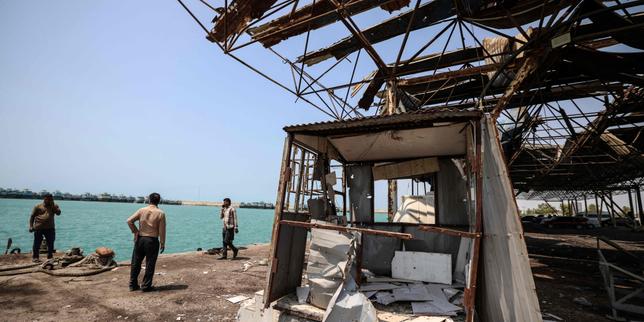
Early reports from the National Institute of Civil Defense and regional mayors tell a more nuanced story than the "no damage" narrative. While major infrastructure survived, the reality for the Ayacucho and Cusco regions is grim for individual families.
The current confirmed impact includes:
- At least 22 homes damaged or destroyed.
- Six health centers suffering structural compromise.
- Multiple schools impacted, forcing immediate assessments before students can return.
These aren't just statistics. These are adobe and quincha structures—common in the Andean highlands—that simply don't stand a chance against even moderate lateral shaking. If you’ve ever walked through these mountain towns, you know the construction is beautiful but notoriously fragile. When the earth moves, these walls crumble. It’s not a surprise; it’s a design failure that has been ignored for decades.
Why The Pacific Ring of Fire Matters
Peru is a permanent resident of the Pacific "Ring of Fire." This isn’t just a catchy label for a geology textbook. It’s an active, relentless geological zone where 85% of the world’s seismic activity occurs.
Living here means accepting that the ground is fundamentally unstable. The issue isn't the frequency of the quakes; it’s the lack of investment in seismic retrofitting for rural infrastructure. You see the same pattern every time: a quake hits, local officials report "hopeful" status, then three days later, the real damage reports emerge as rescue teams reach remote villages in the mountains.
What You Should Watch For
Don't trust the first 24 hours of reporting. Look at the data coming from the Geophysical Institute of Peru (IGP), which often provides more granular, locally specific magnitude and depth estimates than international agencies.
If you have family in Ayacucho or Cusco, keep an eye on these specific indicators over the next 48 hours:
- Aftershock frequency: Smaller tremors are common, but they can bring down structures already weakened by the main shock.
- Road access: Many of the towns like Coracora and Puquio rely on narrow mountain roads. If rockfalls block these, help can’t get in.
- Institutional integrity: Schools and clinics are the first things people look to for safety. If those are closed, the entire community’s recovery plan is effectively halted.
The world moves on to the next news cycle quickly, but for those in the southern Andes, the recovery is just beginning. Keep looking for updates from local civil defense bulletins rather than broad, international summaries. They are the only ones who actually know which roads are open and which roofs are still standing.
Stay alert for aftershocks, as they are often more dangerous to compromised buildings than the initial event. Check local government updates twice daily for the next week. If you’re traveling to the region, reconsider until structural engineers have cleared the primary transit routes.