History isn't always forged in grand war rooms or secret intelligence bunkers. Sometimes, it begins in a suburban rental office with a friendly smile, a co-signed lease, and a pool party.
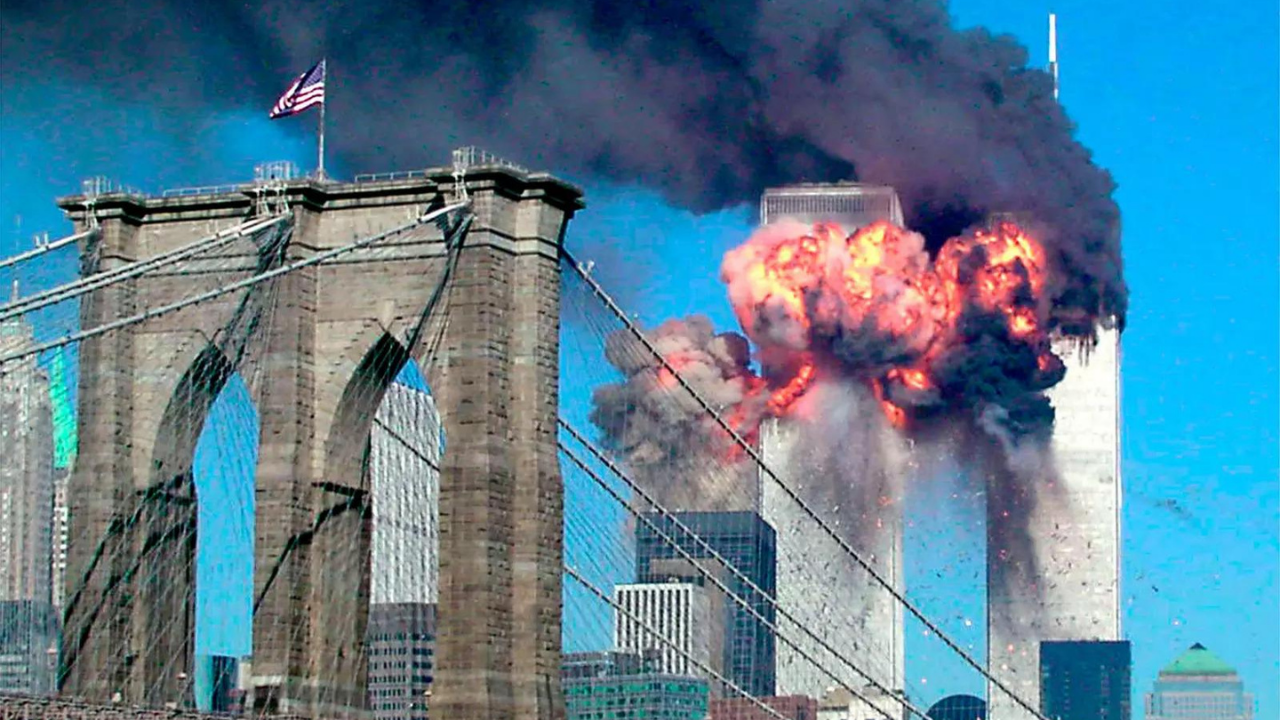
Holly Ratchford managed the Parkwood Apartments in San Diego back in 1999. She didn't know she was standing at the very edge of history. When a bubbly, smiling Saudi national named Omar al-Bayoumi walked into her office in February 2000 with two quiet men looking for a home, she saw nothing sinister. She saw everyday tenants. Those two men were Nawaf al-Hazmi and Khalid al-Mihdhar. Eighteen months later, they boarded American Airlines Flight 77 and flew it straight into the Pentagon.
Quarter of a century later, Ratchford is still trying to reconcile the smiling neighbor she remembers with the devastation left in his wake. Her story exposes an unsettling truth about modern security. Evil doesn't look like a cartoon villain. It looks like the polite guy next door who shows up to your weekend barbecue.
The Face of Ordinary Facilitation
You've probably wondered how conspirators move through society undetected before striking. The answer is painfully mundane: they blend in by acting completely normal.
When Bayoumi brought Hazmi and Mihdhar to the rental office, the pair failed standard income verification checks. Most landlords would have turned them away right there. Bayoumi stepped in, co-signed the lease, and even helped them open a local bank account. To Ratchford, he was simply an outgoing community member helping newcomers settle into Southern California.
There were no warning signs. No erratic behavior. No suspicious packages. Just ordinary paperwork for ordinary apartments.
Investigators later pieced together a much darker narrative. Former FBI investigator Richard Lambert pointed to a wider network coordinated by Bayoumi to assist the hijackers upon their arrival in the United States. A New York federal judge ruled that available evidence creates a reasonable inference that Bayoumi and a Saudi diplomat were coordinating with the Saudi government while assisting the operatives. The Saudi government and Bayoumi have consistently denied these accusations, and legal battles continue to grind forward.
Yet for Ratchford, legal briefs and court rulings exist in a different universe from her actual lived memory. She handed over a sealed declaration to the court, haunted by the realization that her signature helped house the men who changed the world forever.
Why Normalcy Is the Ultimate Disguise
Human beings are wired to trust social cues. If someone smiles, makes eye contact, and participates in neighborhood pool parties, our brains automatically downgrade their threat level. Security experts call this normalcy bias. We assume that if danger is present, our internal alarms will sound automatically.
They rarely do.
The hijackers in San Diego lived quiet, unremarkable lives. They shopped at local stores, ate at nearby restaurants, and paid their rent. If you had walked past them in the courtyard, your brain would have registered nothing out of the ordinary. That is precisely why intelligence operations rely on civilian cover. The best operatives don't stand out; they fade into the background noise of everyday life.
When Ratchford finally learned the truth days after the September 11 attacks, it came not from an official briefing, but from a random caller asking if she knew terrorists had lived on her property. Her immediate reaction was sheer disbelief. The FBI interviewed her on September 14, 2001, seizing the guarantor forms that cemented her accidental connection to a global tragedy.
Living With the Aftermath
Most historical accounts focus on the geopolitical fallout, intelligence failures, or legislative overhauls. We talk endlessly about airport security protocols, surveillance powers, and foreign policy doctrines. We rarely talk about the psychological toll borne by ordinary bystanders.
What happens to the landlord who signed the lease? What happens to the store clerk who sold them groceries? What happens to the neighbor who shared a casual chat by the pool?
They spend decades second-guessing every interaction. Did I miss something? Was there a clue in that conversation? Could I have stopped it?
Ratchford's public statements offer a rare window into this private torment. She still struggles to bridge the gap between the friendly neighbor who brought pastries or chatted at community events and the architects of mass murder. It's a cognitive dissonance that doesn't fade with time.
If you're looking for clean resolutions or neat moral takeaways, history rarely provides them. Sometimes, the most terrifying lesson of major historical events is how completely ordinary the run-up to catastrophe looks in real time. Pay attention to the quiet details, trust verified evidence over gut feelings, but accept that human beings cannot spot every hidden threat hiding behind a friendly smile.