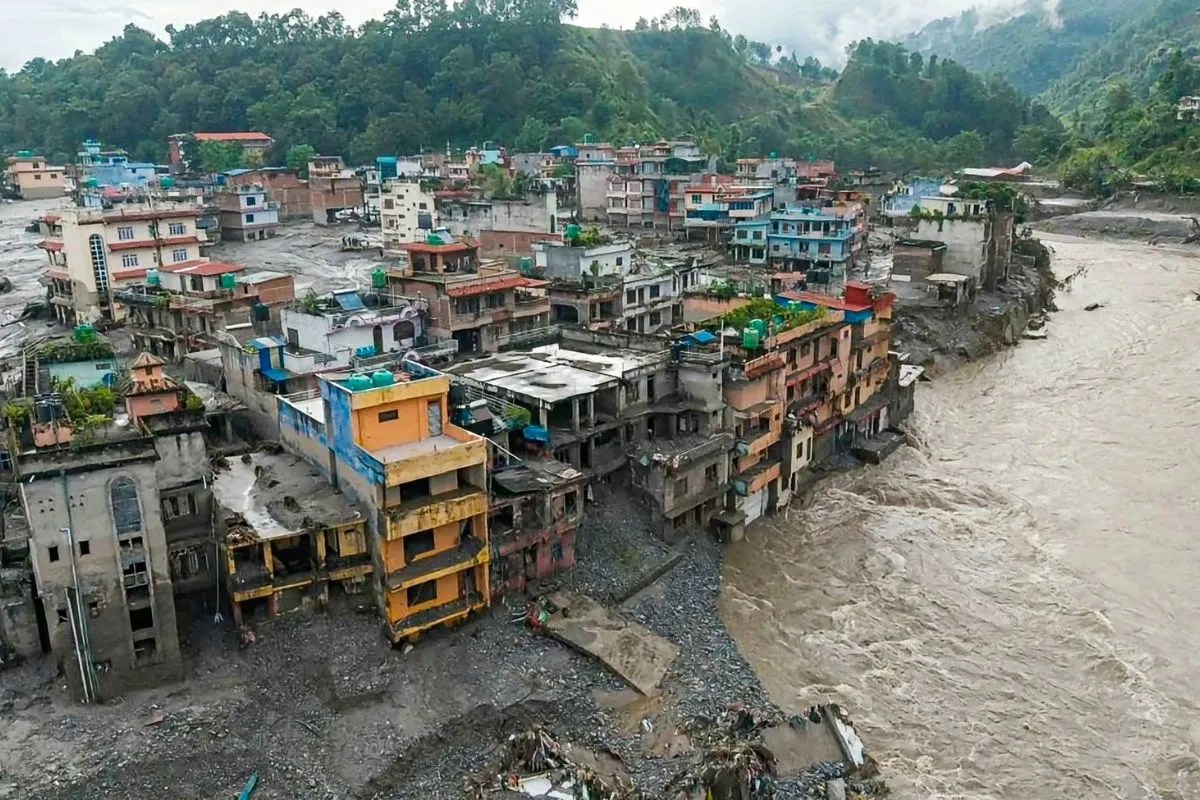
Disaster relief looks clean on television screens. You see neat graphics, press releases from foreign capitals, and massive figures flashing across news tickers. Then you look at the ground in Nepal. Heavy monsoon rains turn mountain valleys into rushing channels of mud and debris. Bridges snap. Roads vanish. Whole communities get cut off from the outside world before anyone can even tally the missing persons.
When catastrophic flash floods hit Nepal, the immediate aftermath is pure chaos. International response doesn't fix things overnight. It arrives in trickles, hampered by geography and ruined infrastructure. Let's look at what actually happens when global powers step in, starting with the recent financial and medical packages sent by the United States and the World Health Organization.
The Reality Behind the Financial Aid Packages
Governments love dropping large dollar amounts into headlines. The United States announced five hundred thousand dollars in immediate assistance for Nepal flood victims. Sounds helpful, right? It is. But you need to understand where that money goes and how long it takes to translate into dry blankets and clean water.
Cash commitments from foreign entities rarely land in a local bank account as a lump sum. They funnel through international relief agencies, non-governmental organizations, and specialized logistical teams.
- Emergency Logistics: A massive chunk of initial funds pays for fuel, helicopters, and temporary storage. When roads are washed away, choppers are the only way to drop supplies into isolated Himalayan pockets.
- Immediate Supplies: Procurement takes days. Water purification tablets, heavy-duty tarps, and basic food rations have to be sourced, packed, and airlifted.
- Operational Costs: Getting boots on the ground requires administrative coordination that eats into initial budgets before the first aid kit even opens.
People often assume foreign aid solves a crisis instantly. It doesn't. It acts as a bridge while local authorities scramble to rescue survivors and clear blocked mountain passes.
Medical Emergencies and the WHO Response
Waterborne diseases kill more people after a flood than the actual rising water. When sanitation systems collapse, dysentery, cholera, and skin infections spread like wildfire through displacement camps.
The World Health Organization stepped in with vital medical shipments to keep local clinics from running completely dry. But distributing medicine across a rugged terrain like Nepal presents a logistical nightmare.
Clinics in remote districts frequently lack electricity, refrigeration, and clean running water. Bringing in advanced medical gear doesn't help if local doctors can't plug it into a stable power grid.
WHO interventions focus heavily on trauma kits, surgical supplies, and rapid diagnostic tests to catch cholera outbreaks early. If you've ever tried moving heavy medical crates across a mudslide-blocked highway in the Himalayas, you know why every single box counts. It's slow, dangerous, and requires immense coordination between local health workers and international logistics coordinators.
Why Climate and Geography Make Nepal Uniquely Vulnerable
Nepal isn't just dealing with bad weather. The country's topography makes it a literal trap for sudden downpours. Steep mountains funnel massive volumes of water down narrow river valleys with terrifying speed.
When you combine deforested slopes with intense monsoon patterns, flash floods become inevitable. Climate change has turned these seasonal rains into unpredictable, violent events. Communities built near riverbanks for centuries suddenly find their ancestral land swept away in minutes.
Most victims don't have insurance or financial cushions to rebuild. They rely entirely on government relief and whatever international donors decide to throw their way.
What You Can Do to Help Effectively
If you want to support disaster relief in Nepal, stop throwing money at unverified social media links. Stick to established organizations that have a physical footprint on the ground and a proven track record of transparency.
Look for groups working directly with local civil defense teams rather than bureaucratic middlemen. Financial contributions should go toward organizations providing immediate food security, clean drinking water infrastructure, and temporary shelter materials.
Recovery takes years, not weeks. The cameras leave long before the rebuilding finishes, and that is when the real work begins. Check your local relief registries, donate where accountability is clear, and keep paying attention even after the headlines fade.