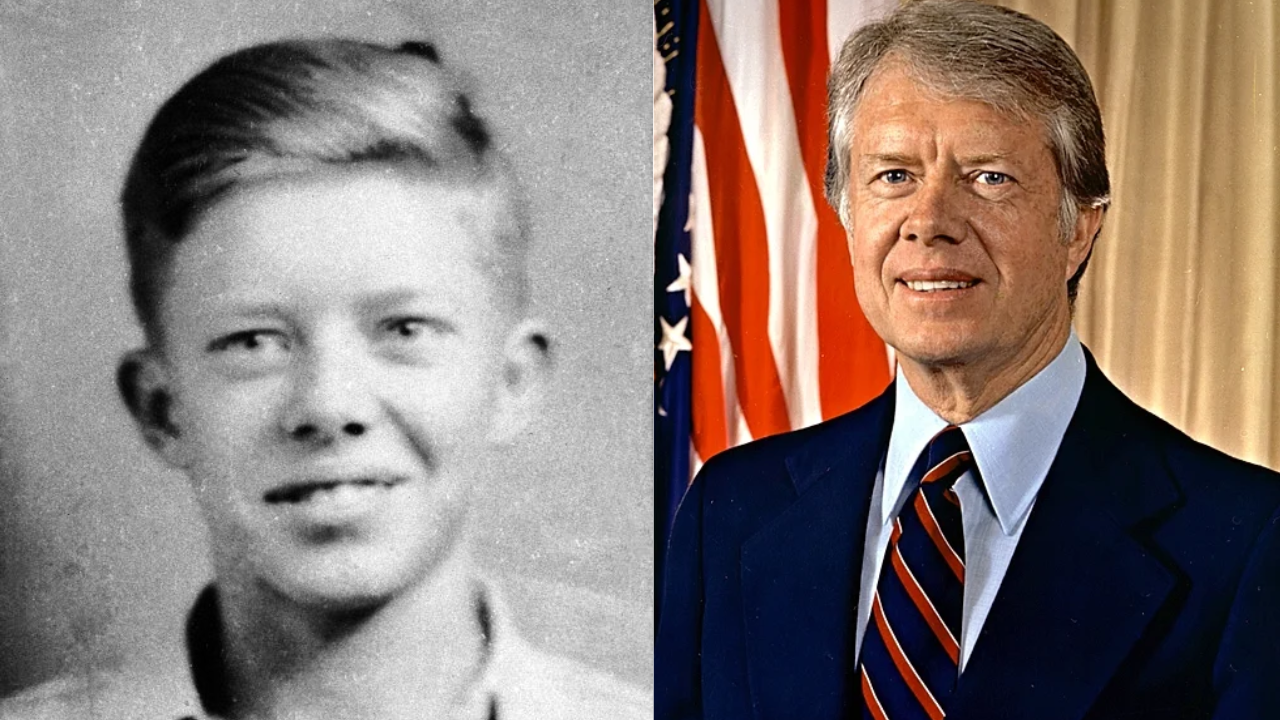
Long before he took the oath of office as the 39th president of the United States, Jimmy Carter was just another kid waking up before sunrise in rural southwest Georgia. Most people picture history books and presidential libraries when they hear his name. They miss the dirt, the cotton stalks, and the raw grit of Archery, Georgia.
If you visit the Jimmy Carter National Historical Park today, you won't just see a quiet plaque or a roped-off monument. You'll step straight into a meticulously restored working farm that looks and feels exactly like it did in the 1930s. Honestly, walking those grounds changes how you view his entire life story. If you enjoyed this post, you should look at: this related article.
The Reality of Archery Before Dawn
Life on the Carter family farm wasn't glamorous. Earl Carter, Jimmy's father, grew cotton, corn, peanuts, and sugar cane on land that demanded grueling physical labor from sunup to sundown. Jimmy moved to the farm at age four in 1928 and stayed until he left for the United States Naval Academy in 1941.
Mornings started long before daylight broke. Young Jimmy didn't sleep in. He rolled out of bed to feed livestock, haul firewood, carry water, and tackle manual chores before heading off to school or working the fields. For another angle on this event, see the latest update from ELLE.
Consider this detail: the farm had zero electricity until 1938. Imagine getting through your entire childhood without flipping a wall switch. Every single routine relied strictly on daylight, muscle power, and kerosene lamps. That kind of environment builds a specific kind of resilience that you simply can't manufacture in a modern suburb.
Hustling in Plains
Carter wasn't just handed responsibilities on the family land; he learned early how to hustle for his own cash. As a boy, he famously cooked and sold boiled peanuts in nearby Plains.
He'd wake up early on Saturdays, finish his mandatory farm chores, and then walk along the railroad tracks straight into town to hawk his goods to locals and travelers. It's a grounded, gritty origin story that contrasts sharply with the polished images we usually associate with modern politicians.
How the Boyhood Farm Became a Historic Landmark
You might wonder how a modest rural property survives the decades to become a national park. The National Park Service stepped in to acquire the property, officially incorporating the Boyhood Farm into the Jimmy Carter National Historical Park.
Restoration crews didn't try to modernize the site. Instead, they purposefully wound the clock back, stripping away post-1938 updates to capture the exact pre-electricity aesthetic of Carter's youth. Today, the National Park Service keeps traditional crops like peanuts and cotton growing in the fields, complete with farm animals roaming the grounds.
Leadership at the park has continued to evolve. Recent preservation milestones, guided by park superintendent Karen Barry, have focused heavily on keeping these historic structures open and accessible so visitors can grasp the realities of rural life from that era.
Why This History Actually Matters Now
It's easy to dismiss historic sites as boring tourist traps for school field trips. But looking closely at Carter's upbringing explains his lifelong obsession with human rights, hard work, and rural advocacy. Growing up shoulder-to-shoulder with local tenant farmers and farm laborers shaped his worldview profoundly.
If you're planning a trip down to southwest Georgia, skip the quick drive-by. Block out a solid afternoon to walk the dirt paths of Archery, check out the preserved commissary, and imagine what it takes to wake up at four in the morning to hoe weeds under a blazing southern sun.
Stop looking at history as a set of dates on a timeline. Go see the physical spaces where ordinary labor forged an extraordinary life.