Flames don't care about Hollywood history. When the Woolsey Fire tore through the Santa Monica Mountains in November 2018, it didn't just burn suburban homes and native brush. It leveled Paramount Ranch, a 2,700-acre piece of cinematic landscape that had anchored American film production for nearly a century.
Almost eight years later, a $26 million rebuilding effort is finally bringing the iconic location back to life. If you've ever wondered how Hollywood's most famous outdoor backlot survived its darkest hour and reinvented itself for a new era of storytelling, the reality involves federal disaster relief, stubborn preservationists, and a completely redesigned blueprint built to withstand the next inevitable wildfire.
A Century of Cowboy Boots and Silver Screens
Paramount Pictures originally purchased the massive acreage in 1927. Back then, studios needed vast, untouched terrain where they could shoot sweeping outdoor scenes without dragging crews across state lines. Between 1927 and 1943 alone, the studio shot over 160 movies on the property. Stars like Gary Cooper and Bob Hope walked these exact trails.
The location wasn't just a generic patch of dirt. Its rolling hills, dramatic oak trees, and versatile lighting made it the ultimate chameleon. It doubled for the American frontier, foreign war zones, and quiet rural towns. Long before green screens and soundstages dominated studio budgets, Paramount Ranch gave directors a physical world to capture on film.
By 1980, the National Park Service took over management of the property as part of the Santa Monica Mountains National Recreation Area. But the film crews never really left. Television classics like Gunsmoke and The Dukes of Hazzard, alongside modern hits like HBO's Westworld, kept the cameras rolling. The famous Western Town became a tourist destination where hikers could stumble upon an old saloon facade mid-trail.
The Night the Fire Won
Everything changed on November 9, 2018. The Woolsey Fire swept through Ventura and Los Angeles counties at terrifying speeds, scorching nearly 100,000 acres. When it hit the ranch, standard fire mitigation efforts weren't enough.
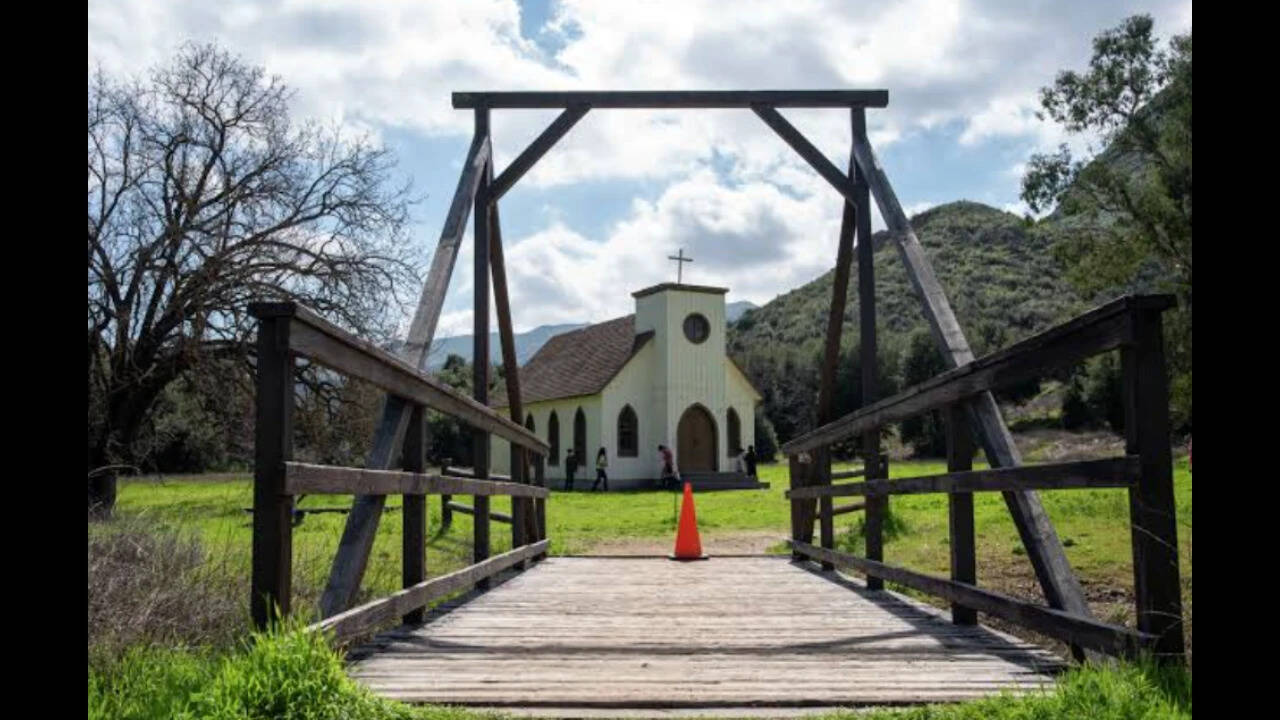
Park superintendent Jody Lyle noted that almost everything burned. The iconic Western Town structures—mostly constructed during the 1980s and 1990s to mimic old-time storefronts—were reduced to ash and twisted metal. Only a handful of resilient structures made it through, including the train depot from Dr. Quinn, Medicine Woman and the picturesque chapel featured in Westworld.
For a long time, visitors hiking the trails were greeted by empty dirt lots where storefronts used to stand. The loss felt personal to movie buffs and locals who viewed the ranch as a living museum of early Hollywood lore.
Inside the $26 Million Modern Reconstruction
Rebuilding a historic movie ranch in modern California means playing by entirely new safety rules. You can't just slap pine wood back together and hope for the best.
The National Park Service secured $26 million in federal disaster relief funds, supplemented by an additional $1 million raised by the Santa Monica Mountains Fund. Instead of blindly recreating fragile wooden facades that would burn down in another disaster, planners focused on building a multi-purpose facility rooted in the exact footprints of the original 1920s structures.
The ongoing phase introduces heavy-duty upgrades designed to survive high-intensity heat. You will now find metal roofs, fire-resistant siding, and automated underground fire sprinkler systems woven into the landscape.
The new layout centers around practical event spaces rather than just static movie props:
- A large Pavilion designed to accommodate over 200 people for community programs and public events.
- A functional Barn offering indoor gathering space.
- A specialized Prop Shed to store equipment safely.
- Modern restroom facilities to support daily hikers and large-scale productions.
Bringing Hollywood Back to the Hills
Construction is slated to wrap up around 2027, perfectly aligning with the ranch's centennial anniversary. But the strategy for filming has shifted.
Instead of permanent, year-round Western facades sitting exposed to the elements, the new infrastructure allows studios to build temporary sets on demand. Film crews can erect customized facades during active shoots and dismantle them afterward, while educational programs and community events take place in the newly engineered permanent pavilions.
The trails never actually closed. While construction crews poured concrete and installed underground utilities, hikers and horseback riders continued using the surrounding parkland.
If you plan to visit once the formal reopening hits in 2027, expect a space that honors its century-old cinematic roots without ignoring the harsh environmental realities of modern Southern California. The dust has settled, the steel frames are up, and Hollywood's favorite backyard is ready for its next scene.