Geopolitics rarely shifts overnight. But when Islamabad and Kuwait City signed their latest security pact in August 2026, diplomats across multiple continents paid attention. This wasn't just another routine paperwork exchange between friendly governments. It was a calculated move cementing a growing military footprint. Pakistan is quietly building a strategic security network across the Gulf, and most Western analysts completely missed the early signs.
If you look at how security architecture works in the Middle East, you'll notice a heavy reliance on Western superpowers for decades. That script is flipping. Gulf states want diversified partnerships. They want allies who bring professional military training, defense industrial capacity, and boots on the ground without the baggage of domestic Western political meddling. Pakistan fits that exact profile. You might also find this related coverage insightful: Why Donald Trump Is Making The Midterms All About Himself Again.
Let's break down what actually happened with the Kuwait agreement, why Pakistan's defense exports are surging, and what this means for regional stability.
The anatomy of the Islamabad Kuwait defense pact
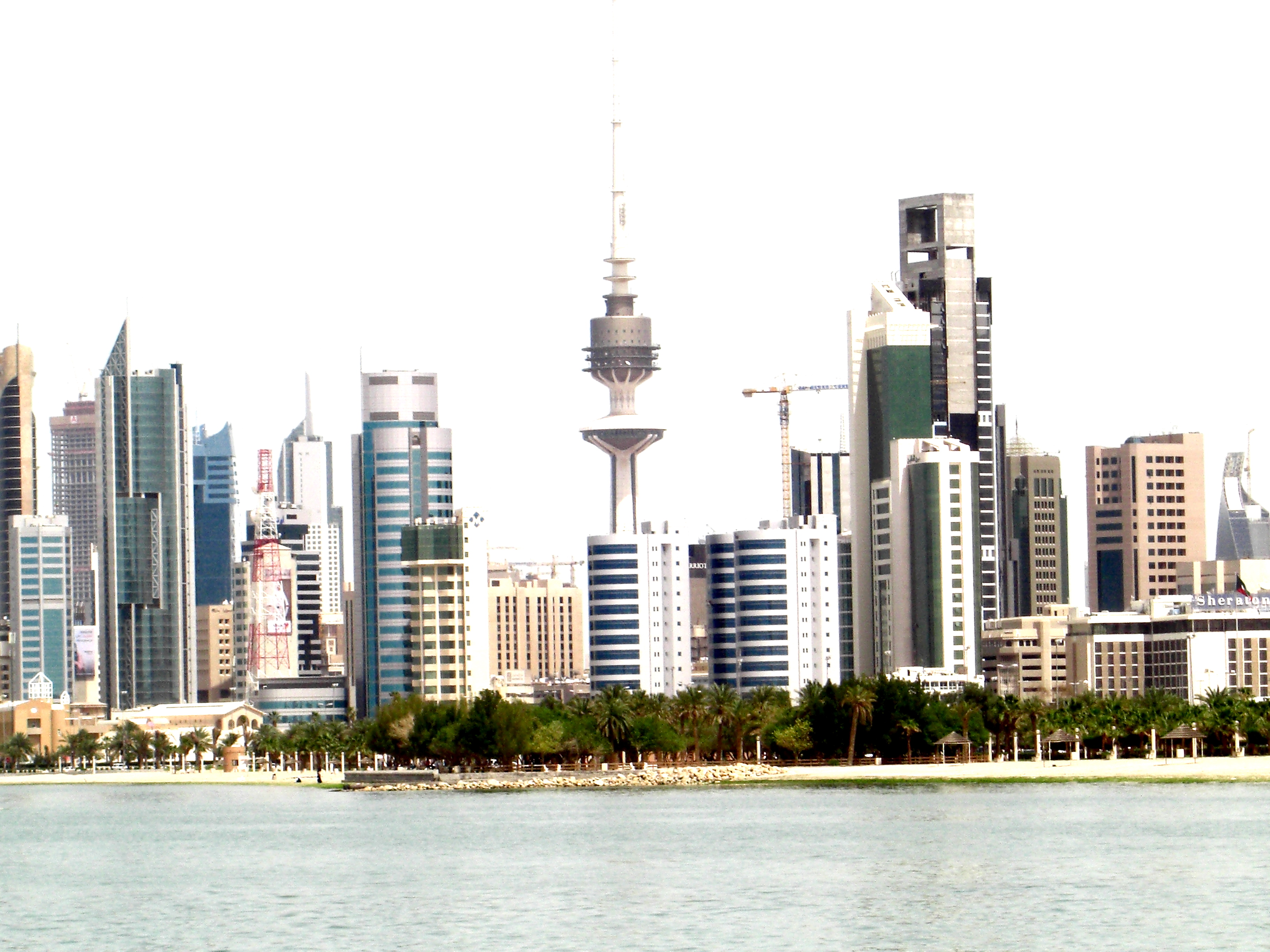
The recent agreement signed in late August 2026 deepens bilateral cooperation across several critical vectors. We are talking about joint military exercises, intelligence sharing, defense production collaboration, and specialized training programs for Kuwaiti personnel. As reported in detailed reports by The New York Times, the effects are widespread.
Kuwait isn't guessing about Pakistan's military capability. Thousands of Pakistani military personnel have served in training and advisory roles across the Gulf for decades. What makes this 2026 deal different is the institutional scale and the direct link to defense manufacturing. Pakistan's military-industrial complex has evolved rapidly. The country doesn't just buy hardware anymore; it exports it.
When you examine the regional map, Kuwait joins a growing list of Middle Eastern nations tightening their security bonds with Islamabad. Saudi Arabia, Qatar, and the United Arab Emirates have all maintained deep defense ties with Pakistan for years. Adding Kuwait formalizes a contiguous block of strategic cooperation at the head of the Persian Gulf.
Why do Gulf nations trust the Pakistan armed forces? Experience. The Pakistan military has spent decades fighting asymmetric warfare domestically while maintaining a massive conventional deterrent along its eastern and western borders. That operational readiness is a rare commodity. Gulf states want that hard-earned institutional knowledge protecting their borders and training their officer corps.
Beyond oil money the real drivers of Gulf Pakistan relations
Most mainstream news coverage frames Middle Eastern foreign policy purely through the lens of oil and petrodollars. That narrative is lazy. The modern geopolitical reality is far more nuanced.
Kuwait faces unique security anxieties. Situated between regional heavyweights like Iran and Iraq, and watching shifting security guarantees from traditional Western partners, Kuwaiti leadership needs reliable, battle-tested counterweights. Pakistan offers a professional military force that is nuclear-armed, highly disciplined, and culturally familiar.
On the flip side, Pakistan's economy has faced severe turbulence over the last few years. Expanding defense exports and securing long-term strategic partnerships in the Gulf provides a vital economic lifeline. This is tradecraft meeting statecraft. Pakistan gets foreign currency and industrial contracts; Kuwait gets an elite security partner with skin in the game.
It is basically a pragmatic exchange of security for economic stability. Both sides win. And neither side has to answer to Washington or Brussels to make it happen.
What most analysts miss about the Pakistan defense umbrella
People love to throw around dramatic terms like "defense umbrella" without explaining how it actually functions on the ground. It is not a formal treaty like NATO's Article 5. You won't see Islamabad declaring war automatically if a Gulf state is attacked.
Instead, it operates through persistent presence.
- Joint training commands embedded within local armed forces.
- Defense procurement pipelines supplying ammunition, drones, and armored vehicles.
- Intelligence networks coordinating counter-terrorism and maritime security.
- High-level strategic consultations during periods of regional crisis.
This web of connections creates a deterrent effect. Any potential aggressor in the region has to calculate the reaction not just of local defense forces, but of Pakistan's military apparatus as well. That changes the math of conflict entirely.
Look at maritime security in the Arabian Sea and the Persian Gulf. Protecting shipping lanes requires constant patrols and coordination. Pakistan's navy plays an active role in regional maritime task forces, often spearheading combined operations that keep vital trade routes open. Kuwait relies heavily on these maritime corridors for its economic survival. Securing the water is just as important as securing the sand.
The broader geopolitical ripple effect
You cannot look at this Kuwait deal in a vacuum. It sits inside a massive realignment happening across the Middle East and South Asia.
For years, regional middle powers have been stepping up because they realize they cannot outsource their long-term security indefinitely. Turkey, India, and Pakistan are all expanding their diplomatic and military footprints across the Gulf and East Africa. Pakistan's approach relies heavily on professional military diplomacy rather than aggressive posturing.
This creates a complex web of alliances. While India deepens economic and technological ties with several Gulf monarchies, Pakistan maintains its historic, deeply entrenched security relationships. It is a delicate balancing act for capitals like Riyadh, Abu Dhabi, and Kuwait City. They want good relations with everyone, but when it comes to training soldiers, securing borders, and buying dependable military gear, they turn to Islamabad.
The United States and European nations are watching this evolution with mixed feelings. On one hand, having capable regional partners handle local security reduces the burden on Western militaries. On the other hand, watching traditional security monopolies dissolve means Western capitals have less leverage over how Gulf nations manage their sovereign affairs.
What happens next
Expect to see more defense manufacturing joint ventures pop up between Pakistan and Gulf nations over the next few years. The focus is shifting from simple personnel deployment to technology transfer and co-production of defense hardware, including unmanned aerial systems and communication tech.
If you are tracking global security trends, keep your eyes on how these bilateral frameworks institutionalize. The era of single-superpower dominance in the Middle East is fading out. A multipolar security network is taking its place, and Pakistan's expanding defense footprint is one of the most significant pieces of that puzzle.
Watch the defense export numbers. Watch the joint naval drills in the Arabian Sea. That is where the real story of modern regional power is being written.