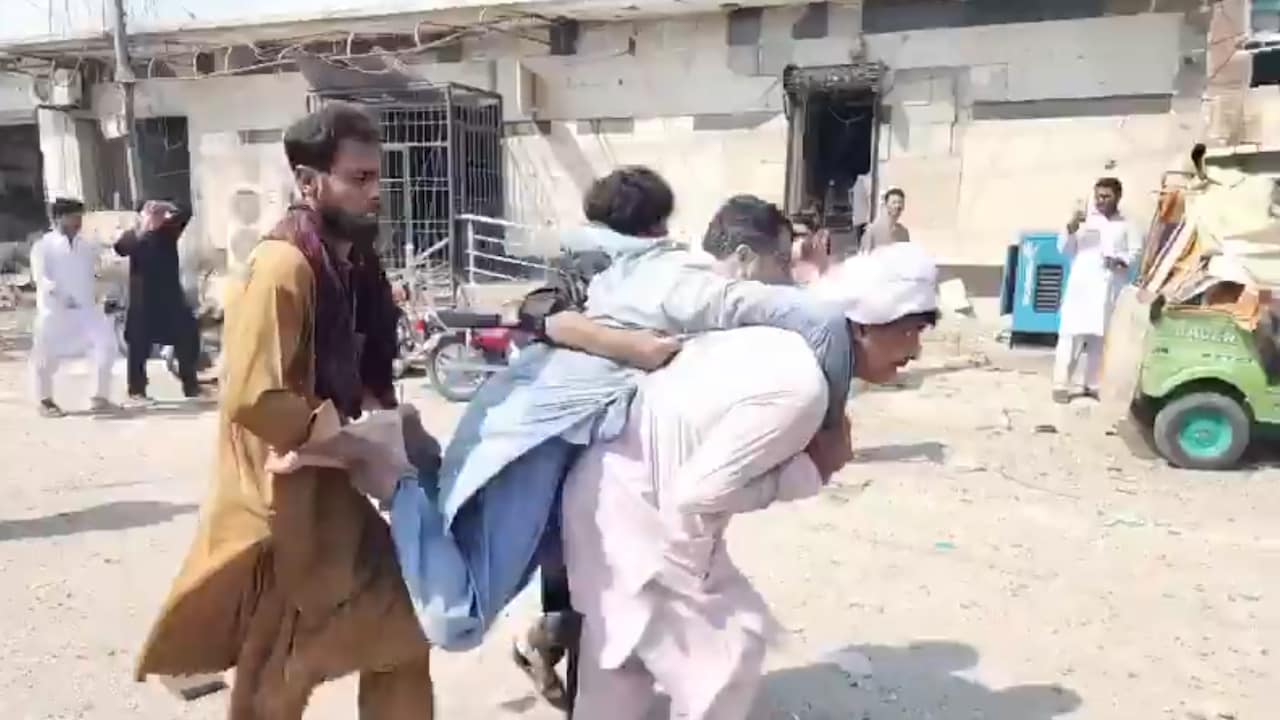
Twenty-one people are dead. Fifteen of them wore police uniforms. A suicide bomber rammed an explosives-laden vehicle straight into a mosque in Kohat, turning a place of worship into a war zone.
If you've been following security trends in South Asia, you know this isn't an isolated incident. It is part of a relentless, escalating wave of violence hitting Pakistan's northwestern Khyber Pakhtunkhwa province. The attack, which left dozens wounded and structural walls collapsed near critical police offices, exposes deep structural vulnerabilities in the country's security architecture.
Let's look past the surface headlines to understand what's actually happening on the ground.
The Anatomy of the Kohat Attack
The destruction in Kohat didn't happen in a vacuum. According to provincial police chief Zulfiqar Hameed, the assault was coordinated. A suicide vehicle hit the mosque directly during prayer times, while two armed men tried to breach adjacent police premises. Security forces engaged them in a fierce gunfight, killing one attacker.
Worshippers bore the brunt of the blast. Rescue officials confirmed that many of the wounded are in critical condition, straining local medical facilities in the district bordering Afghanistan. Prime Minister Shehbaz Sharif issued standard condemnations, but public frustration is mounting. Prayers and official statements aren't stopping vehicles packed with explosives from reaching the heart of security installations.
Why Law Enforcement is the Primary Target
You might wonder why mosques near police compounds keep getting hit. The answer lies in the shifting tactics of militant factions operating in the region.
The Tehrik-e-Taliban Pakistan, commonly known as the TTP, has systematically targeted police officers, checkpoints, and security convoys. Just a day before the Kohat explosion, a roadside bomb struck a security forces convoy in the nearby Hangu district, killing six soldiers. State forces retaliated with raids, eliminating ten alleged extremists, but the cycle of retaliation keeps spinning.
Targeting law enforcement inside places of worship achieves two grim goals for insurgent groups:
- It demoralizes the frontline personnel tasked with maintaining domestic stability.
- It maximizes casualties by exploiting the predictable routines of community gatherings and religious services.
The Cross-Border Finger-Pointing Game
Pakistan sits on a geopolitical powder keg. Islamabad frequently accuses the Afghan Taliban of harboring TTP militants and turning a blind eye to cross-border strikes. Kabul denies these allegations every single time.
Meanwhile, ordinary citizens pay the ultimate price. We saw a chilling preview of this scale in 2023, when a suicide bomber killed 101 people inside a mosque in Peshawar. The security apparatus promised sweeping reforms and better intelligence sharing after that tragedy. Yet, vehicles loaded with high explosives continue to bypass checkpoints and reach high-value targets.
What Needs to Change Right Now
Fixing this crisis requires moving past temporary crackdowns and political blame-shifting. Real security demands structural transformation:
- Intelligence Overhaul: Local police units are often outgunned and under-equipped to handle suicide squads. Real-time intelligence sharing between federal agencies and district police needs immediate upgrading.
- Border Security Enforcement: Curbing the cross-border movement of arms and personnel requires strict, verifiable monitoring protocols with neighboring authorities, regardless of diplomatic friction.
- Infrastructure Protection: Placing sensitive police offices directly adjacent to public gathering spaces creates an indefensible vulnerability. Urban planning around security zones must prioritize physical separation.
The threat isn't going away. Until state strategies match the adaptability of militant networks, the tragic tally in Khyber Pakhtunkhwa will only continue to rise.