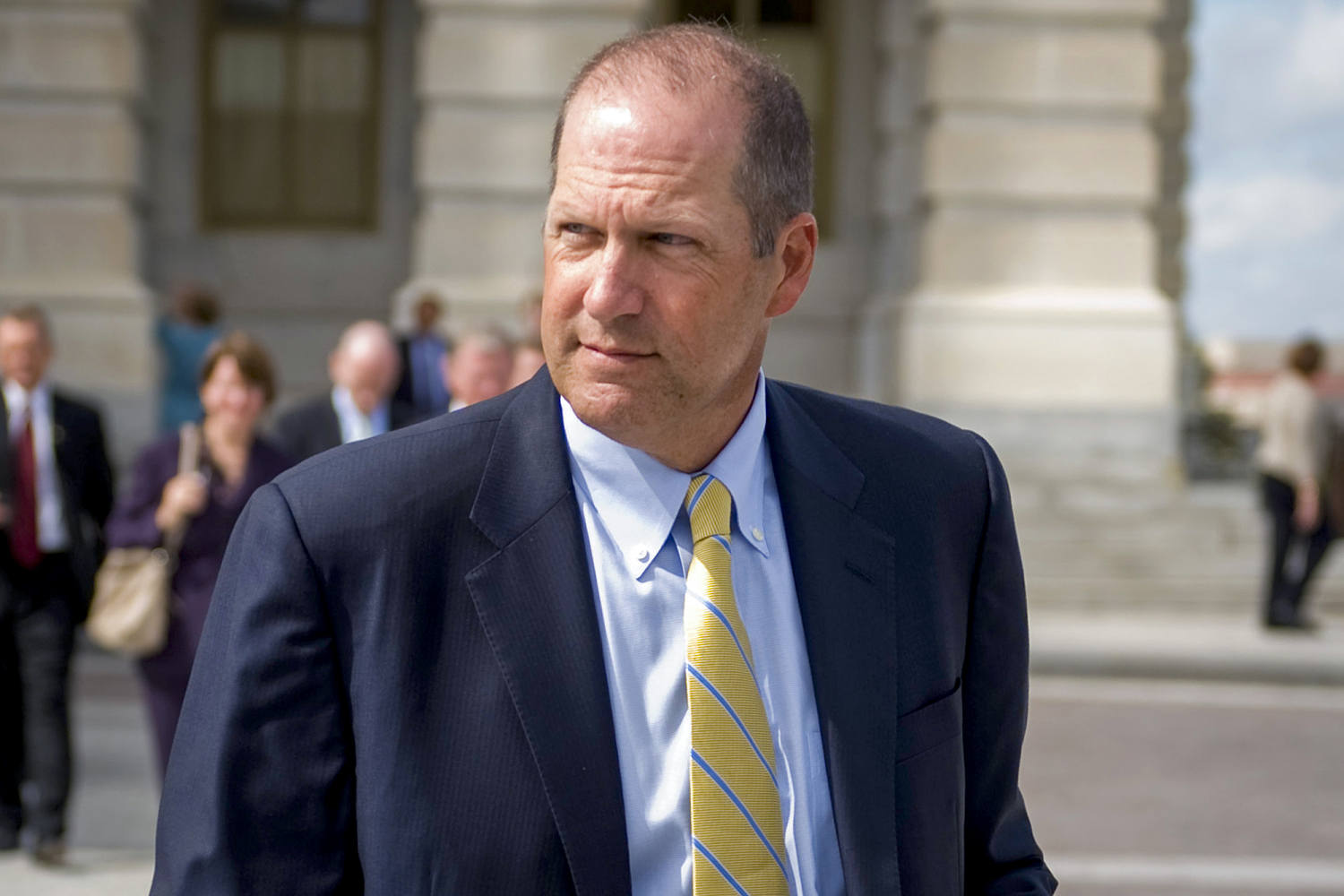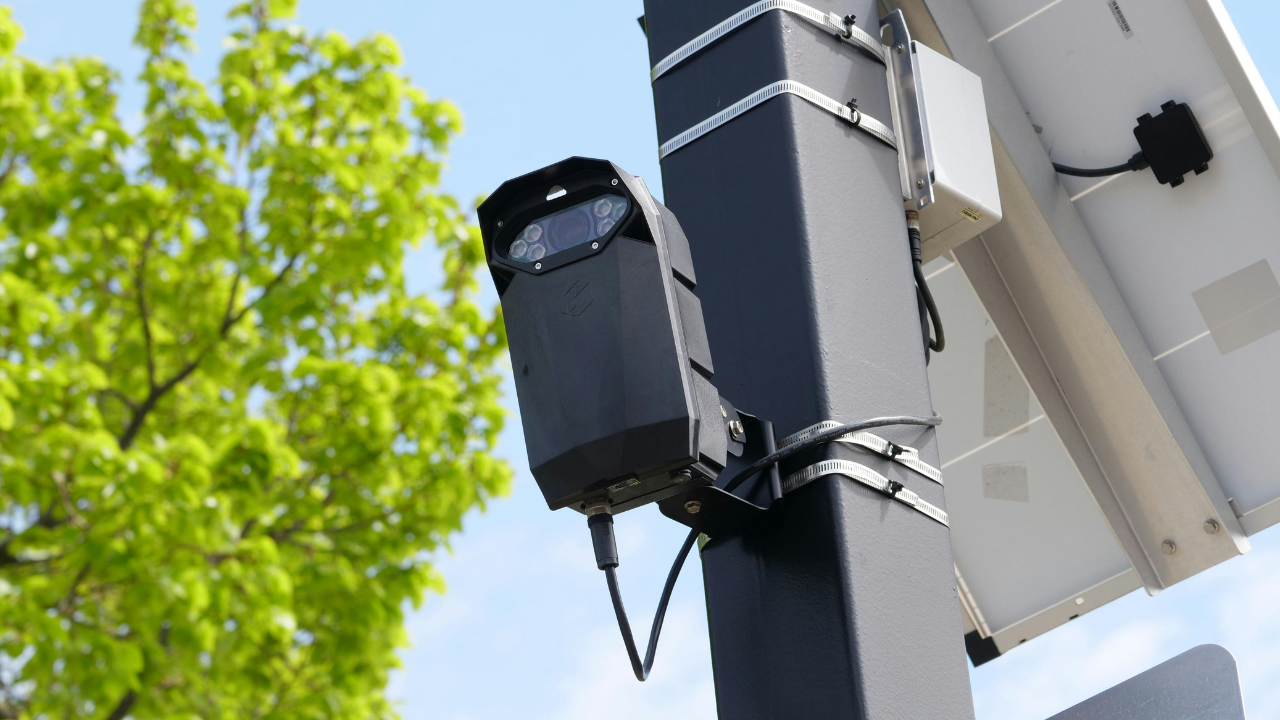
When Hood County Precinct 2 Constable John Shirley walked up to three automated license plate reader cameras, he didn't just turn them off. He unplugged them, threw protective covers over the lenses, and bluntly told the private surveillance firm to come get its garbage.
That move wasn't a random act of cowboy rebellion. It was the final physical act of a local government pulling the plug on a controversial public safety contract.
If you have been watching local government meetings across Texas lately, you already know the tension. Communities are split right down the middle over automated license plate reader systems built by companies like Flock Safety. On one side, police chiefs and sheriff's departments swear by them to track stolen cars and track down fleeing suspects. On the other side, citizens and local officials are realizing that these systems create a permanent digital paper trail of where everyday people drive, shop, and travel.
Hood County decided it had seen enough. And the way they handled it offers a blueprint for how other local jurisdictions might push back against automated surveillance creep.
How Hood County Cut Ties With Flock
The fallout didn't happen overnight. Back in April, the Hood County Commissioners Court voted to terminate its agreement with Flock Safety. By July, local leaders weren't just walking away; they were asking for a refund of roughly $126,000, citing performance failures under the contract.
The friction reached its peak during an August commissioners meeting. The court voted unanimously to physically disable the remaining county-owned cameras while waiting for the company to come haul the hardware away. They handed that job directly to Constable Shirley.
Shirley didn't hide his perspective. Posting pictures of the hooded and disconnected hardware on social media, he made his stance crystal clear:
"These cameras were constantly scanning and recording regular folks just going about their day. That kind of permanent, warrantless tracking doesn't belong in a free society."
He didn't stop there. His message to the vendor was short and sharp: come get your garbage out of the county.
The Privacy Problem Nobody Wants to Talk About
To understand why a Texas constable is calling multi-million-dollar surveillance tech "garbage," you have to look at how these systems actually operate.
Flock cameras use automated license plate recognition (ALPR) technology to snap photos of every passing car. They log timestamps, vehicle makes, models, colors, and specific identifying features. That data goes into a searchable database that law enforcement can query later.
Supporters argue this catches criminals. If a car linked to an abduction or a violent robbery passes a camera, local cops get an instant alert.
Critics point out the dark side of that convenience. When thousands of ordinary citizens who have committed no crime are tracked continuously, you no longer have targeted policing. You have mass data collection. Reports from various states have highlighted instances where databases were queried improperly or used for personal tracking by individuals with access.
When local leaders look at these systems, they are forced to answer a hard question. Does the promise of catching a handful of suspects justify putting an entire county's driving habits under a corporate microscope? Hood County drew the line and said no.
What Happens Next for Local Surveillance Contracts
It is worth noting that Hood County's shutdown applied specifically to three county-owned units. Other jurisdictions or private developments within the region may still utilize similar devices. Even so, the political impact of a local constable physically covering up surveillance tech sends a powerful signal to vendors and municipal leaders alike.
If your local city council or county commissioners are currently debating an ALPR contract, expect tougher pushback. Residents are starting to demand answers to basic accountability questions:
- Exactly how long is our driving data retained?
- Which outside agencies have access to our local logs?
- What guarantees prevent this database from being abused or searched without a warrant?
If vendors cannot provide airtight answers, expect more local officials to follow Hood County's lead. Privacy isn't a secondary talking point anymore. For a growing number of local leaders and law enforcement officers, it is the primary directive.
Check your local county commissioner agendas. Find out if your tax dollars are funding automated tracking systems in your neighborhood. If you don't like what you find, take a page out of Hood County's playbook and demand transparency before the cameras go up, not after.