If you think local Japanese politics are boring, look at Okinawa right now. The gubernatorial race is heating up, and it's pulling in heavy national pressures. Incumbent Governor Denny Tamaki is fighting to keep his seat. Standing across from him is Genta Koja, a challenger backed heavily by Tokyo's ruling Liberal Democratic Party. At stake is the future of the contentious U.S. Marine Corps Air Station Futenma relocation and the core security alliance between Japan and the United States.
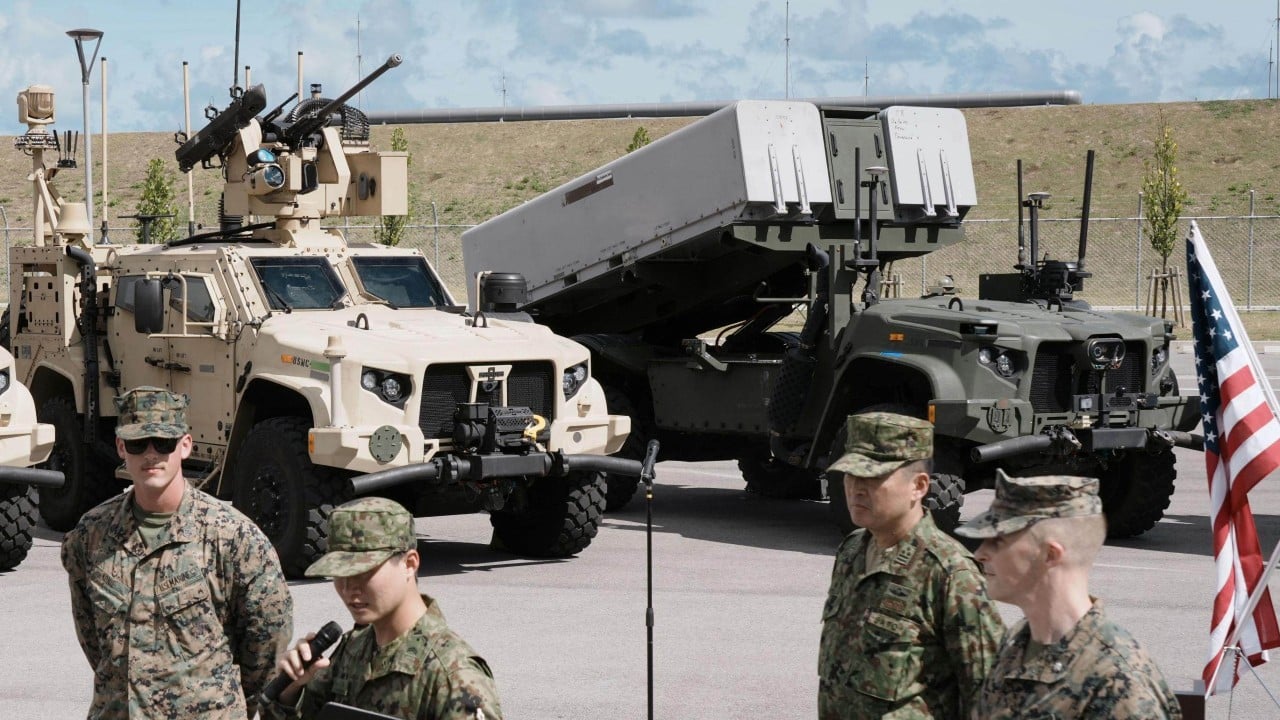
People outside Japan often wonder why a single prefecture creates such massive headaches for Tokyo's defense ministry. The answer sits right on the islands. Okinawa makes up a tiny fraction of Japan's total land mass, yet it hosts the vast majority of U.S. military facilities in the country. That imbalance has sparked decades of tension.
The Core Conflict at Henoko
The central issue driving voters to the polls isn't just abstract geopolitics. It's concrete construction.
For years, the plan has been to move the crowded Futenma base from a densely populated residential zone in Ginowan to the quieter coastal district of Henoko in Nago. Tokyo calls it a relocation. Locals call it a brand-new burden. Environmental concerns run deep. Protesters worry about local marine life, noise pollution, and the constant safety risks of aircraft accidents.
Tamaki built his political career on fighting this construction. He wants the base moved entirely out of the prefecture, not just shifted to another part of the island. Tokyo disagrees. Prime Minister Sanae Takaichi’s government views the Henoko project as the only viable path to maintain strategic deterrence against rising regional threats.
Shifting Strategies on the Campaign Trail
This election cycle feels different. The anti-base momentum that defined previous years has fractured.
Koja, a former deputy mayor of Naha, is running a pragmatic campaign. He argues that constantly fighting the central government gets Okinawa nowhere. Instead, Koja’s camp focuses on economic revitalization, promising to boost local incomes and work alongside Tokyo rather than treating national leaders as adversaries.
Recent polls show a razor-thin margin. About 46 percent of surveyed voters say economic policies, tourism, and job creation matter most to their daily lives. That shifts the narrative. While the U.S. base dispute still hangs over the election like a dark cloud, everyday financial survival competes directly with historical grievances.
What Tokyo Stands to Lose
A victory for Koja would hand Prime Minister Takaichi a massive win. It would smooth out years of friction between the prefectural office and the central government, weakening local legal resistance against the Henoko landfill work.
On the flip side, if Tamaki holds on, it proves that Okinawan skepticism toward mainland defense policies remains ironclad. Tamaki has also warned about heavy-handed tactics from Washington, noting that U.S. officials have floated demands for extra runway space. He draws a hard line, reminding voters of the local identity anchored in the traditional phrase nuchidu takara—meaning life is a treasure.
What Happens Next
The ballots are cast soon. Watch the numbers closely in Naha and surrounding districts.
If you are tracking security shifts in East Asia, pay attention to local voter turnout rather than just national television broadcasts. The results will dictate whether Tokyo can push its defense agenda forward unhindered or if Okinawa remains Japan's most stubborn political roadblock.