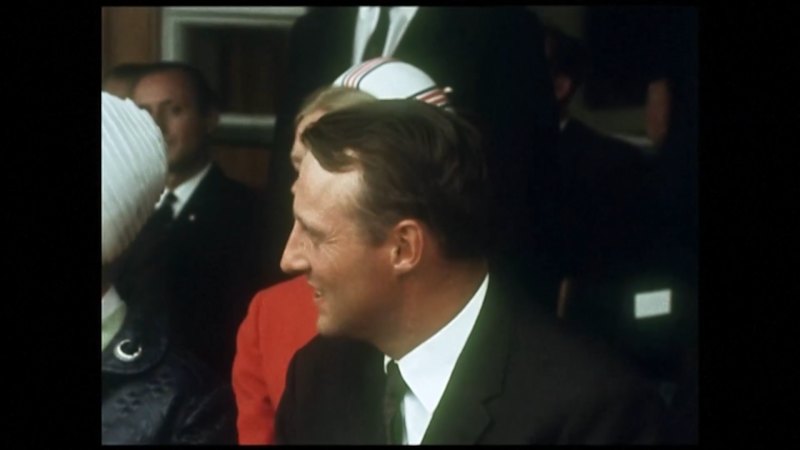
When the royal court in Oslo issues a warning that a monarch is in a very serious condition, an entire nation freezes. That is precisely what happened when updates surfaced regarding King Harald V of Norway. At eighty-nine years old, Europe's oldest reigning monarch has spent decades steering his country through triumphs and tragedies with a quiet, grounded dignity. Now, citizens are flocking to Slottsplassen to lay flowers and wait for news.
If you are wondering why this health crisis has rattled Norway so deeply, look past the traditional pageantry. King Harald isn't just a ceremonial figurehead to Norwegians. He has spent over three decades acting as an anchor during national grief and joyful milestones alike. When health troubles flared up, forcing him back into the National Hospital, the immediate reaction from politicians, bishops, and everyday citizens showed just how much weight his presence carries.
Understanding what happened requires looking at the medical timeline. King Harald was admitted to Rikshospitalet following treatment for hemolytic anemia, a condition where red blood cells are destroyed faster than the body can regenerate them. The cortisone treatments used to manage this blood disorder triggered severe fluid accumulation, leaving him vulnerable. Things worsened when he contracted a bacterial infection in his blood, requiring intensive antibiotic therapy.
This isn't the first time the king's health has sparked public anxiety. Back in 2024, a private vacation to Malaysia ended with a medical evacuation and the emergency implantation of a temporary pacemaker before he received a permanent one back home. Earlier this year, another hospital stay in the Canary Islands for an infection reminded everyone of his advanced age. Yet, every single time, he bounced back to resume his constitutional duties.
This time feels different because the response from the royal family and state officials has been immediate and sweeping. Crown Prince Haakon and Queen Sonja canceled all upcoming engagements to remain by his bedside. Prime Minister Jonas Gahr Støre abruptly scrapped a planned trip to Berlin, while parliamentary leaders and church bishops rushed home from international trips. When the entire political and religious machinery of a country drops everything to stand at a hospital door, you realize the gravity of the moment.
Despite repeated health scares, King Harald made his stance on abdication clear long ago. When asked if he would step down to enjoy retirement, he consistently pointed to his lifelong oath. He views his role as a binding agreement with the Norwegian people that lasts until his final breath. That stubborn sense of duty has earned him immense respect, turning him into a beloved grandfather figure for generations of Norwegians.
Crown Prince Haakon has stepped up seamlessly as regent, managing state affairs while his father fights this infection. The transition of power is well-rehearsed and stable, but constitutional readiness doesn't cushion the emotional blow for a public attached to their monarch.
Keep an eye on official updates from the royal court in Oslo for the latest medical bulletins. If you want to understand modern constitutional monarchies, look closely at Norway right now. It is a masterclass in how a beloved leader binds a nation together through sheer consistency and human warmth.