The Pacific isn't just about trade routes and island chains. It's about sovereignty, history, and raw power. Right now, the area around the Northern Territories—what Russia calls the Kuril Islands—is a powder keg. If you’re wondering why Tokyo is firing off angry diplomatic protests while Moscow is busy launching Bastion surface-to-ship missiles, you aren’t alone.
The short answer is that 150 years of friction just hit a new high. Russia isn't just holding drills; they’re signaling that the status quo is changing. Read more on a connected issue: this related article.
The geography of the dispute
To understand why this matters, you have to look at the map. These islands are a literal bridge between the Japanese island of Hokkaido and the Russian mainland. They offer control over key shipping channels and vital access to the North Pacific.
Japan refers to these as the Northern Territories. They consider them occupied territory since the end of the second world war. The Soviet Union seized the islands in 1945. They’ve been under Russian administration ever since. More journalism by The Guardian delves into comparable perspectives on this issue.
Honestly, the diplomatic stalemate was already brittle. Then, Vladimir Putin visited Etorofu, the largest of these islands, just last week. That trip wasn’t just a tourist stop. It was a calculated move to assert control. Japan’s reaction was immediate—summoning ambassadors and filing formal protests.
Military posturing in the Pacific
The current military exercises, which started on August 4, aren't exactly small-scale maneuvers. We’re talking about roughly 60 vessels, 30 aircraft, and over 13,000 personnel. That is a massive show of force.
When Moscow fires missiles from Etorofu and claims to hit targets 300km away, they aren't just testing weapons. They’re demonstrating reach. They want everyone to know they can project power from those islands into the surrounding waters at a moment's notice.
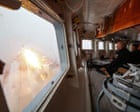
Putin’s rhetoric from the deck of the Varyag made the intent clear. He spoke about Nato seeking a foothold in the region and warned against the deployment of new weapon systems. Basically, Moscow is framing its presence on these islands as a defensive necessity against encroaching western-aligned blocs.
Why Japan keeps pushing back
You might ask why Japan continues to protest when Russia clearly isn't budging. It’s about the principle of territorial integrity.
Foreign Minister Toshimitsu Motegi’s recent comments from Oman summarized the official stance well: Japan cannot tolerate the hardening of Russia's military position there. Every missile fired from those islands and every new base upgrade effectively locks in the reality on the ground.
If Japan stays quiet, it loses ground in the international narrative. Diplomatic protests, while often dismissed as mere paperwork, are the only way Tokyo keeps its claim active and visible to the global community.
What comes next for the region
This isn't just a localized spat between two countries. It’s becoming a focal point for broader tensions.
Russia is signaling that it won't be pushed out of the Pacific by regional rivals or international pressure. Meanwhile, Japan is caught in a difficult spot. They are managing an increasingly volatile security environment while trying to maintain some form of communication with Moscow.
Keep an eye on these developments:
- Escalation patterns: Watch how often these live-fire drills occur. If they move from occasional tests to a permanent, rotational presence, the regional security baseline shifts significantly.
- Ambassador summoning: When Tokyo and Moscow summon each other’s ambassadors, it’s a sign that back-channel communications are struggling. Look for whether these meetings result in any actual de-escalation agreements or just more public statements.
- Nato influence: Putin’s fixation on "outside blocs" suggests that Russia views this as part of a larger global struggle. How the US and regional partners respond will define whether this stays a bilateral argument or expands into something much more complex.
Basically, the tension in the Northern Territories isn't going away. It’s shifting from a historical disagreement to a modern military stand-off. Don't expect a quick resolution. The reality is that both sides have too much at stake—geopolitically and domestically—to blink first.
If you want to track where this goes, ignore the official press releases for a second. Watch the movement of naval assets and the frequency of these drills. That's the real map of the situation. Stay sharp.


