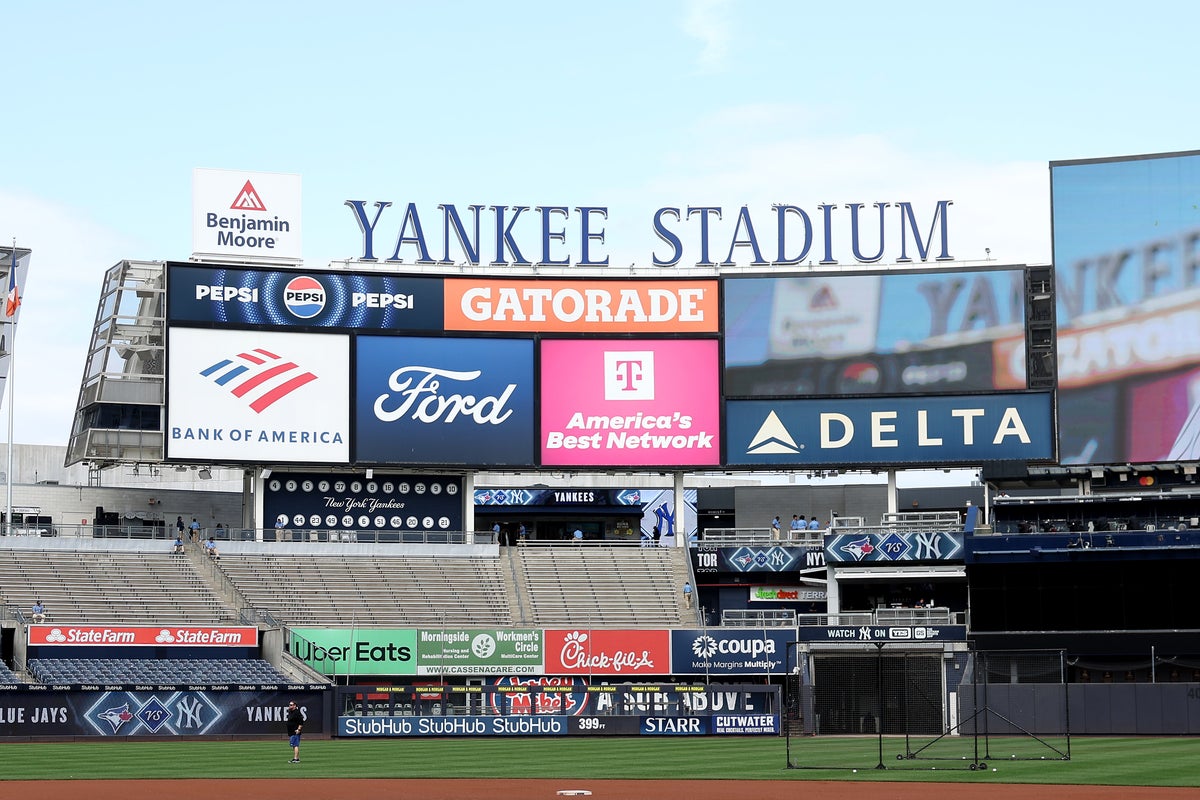
Panic spreads fast when a famous landmark links up with a dangerous outbreak. Ten people fall ill. One person dies. Health inspectors sweep through the Bronx. Suddenly, headlines scream about Legionnaires disease bacteria found at Yankee Stadium. It sounds like a movie plot. It feels terrifying.
Yet reality demands a closer look past the sensational alerts.
If you live in New York, you probably heard the news alerts pinging your phone. You pictured fans sitting in the bleachers inhaling toxic mist. You imagined the iconic ballpark serving as a ground zero for bacterial spread. Let's clear the air right now. Public health officials and the team's management present a much more nuanced picture than what social media panic implies.
Understanding how this bacteria operates changes everything.
The Real Story Behind the Bronx Cluster
Health inspectors found traces of Legionella bacteria in a cooling tower at Yankee Stadium during a broader municipal sweep of ten different structures across the South Bronx. A community cluster of ten confirmed cases sparked this massive city investigation. Out of those ten individuals, three remain hospitalized, and one tragic fatality occurred.
Here is what most casual news consumers miss. Initial testing does not automatically mean living, active bacteria. Municipal tests often catch genetic material from dead or dormant organisms. City health labs run longer culture tests to confirm whether the bacteria could actually make anyone sick. Those tests take up to two weeks.
The stadium management points out a crucial timeline detail. State-of-the-art cooling towers went into the ballpark in 2024. They undergo strict weekly water quality checks. Monthly reports go straight to city regulators. A test on August 20 came back completely clean.
Property owners for all ten implicated towers received orders to clean and disinfect their equipment immediately. Stadium maintenance teams drained and sanitized the specific cooling tower within hours of notification. Major League Baseball games continued without interruption because health authorities found zero direct links between any current patient and a visit to the stadium.
Where Legionella Actually Lives and Breathers
You cannot catch this illness from sitting next to someone on the subway or shaking hands with a neighbor. Legionnaires disease spreads through a very specific route. Warm water systems act as breeding grounds. Think large industrial cooling units, commercial air conditioning systems, decorative fountains, and hot tubs.
Tiny water droplets aerosolize into the air. People walk by, inhale those microscopic drops, and the bacteria enters their lungs. It causes a severe form of pneumonia.
Urban environments with aging infrastructure struggle with this constantly. New York City dealt with severe outbreaks recently, including a massive Manhattan cluster that left eleven people dead, and a Harlem incident that claimed seven lives. Cooling towers sit on top of hundreds of commercial skyscrapers across the five boroughs. When summer heat spikes, managing water chemistry becomes an absolute necessity for building managers.
Neglect the chemical treatments for just a few days, and bacteria multiplies exponentially.
What You Should Do If You Live in the Bronx
If you spend time in Melrose, Morrisania, or surrounding South Bronx neighborhoods, keep your guard up without losing your mind.
- Monitor your health if you visited these areas since late August.
- Watch for flu-like symptoms, persistent coughs, high fevers, or shortness of breath.
- Contact a healthcare provider right away if symptoms appear, mentioning your location history. Early antibiotic treatment stops the worst outcomes.
Do not assume every water source poses a threat. Do not cancel your plans based on unverified rumors. Pay attention to official updates from municipal health departments rather than panic-driven social media posts. Maintain your awareness, know the actual transmission risks, and let science guide your response.