Geography has been a stubborn barrier for India and Central Asia. For decades, traditional overland trade routes meant navigating unstable borders and geopolitical bottlenecks. But things are shifting. Kyrgyzstan is making it clear that it's all in on new transport corridors designed to slash the physical and economic distance separating New Delhi from Bishkek.
When Kyrgyz Ambassador Askar Beshimov recently laid out his country's position, he didn't mince words. Kyrgyzstan sees routes like the Chabahar port and the International North-South Transport Corridor (INSTC) as practical lifelines. If you are wondering why trade volumes have lagged behind diplomatic bonhomie for so long, the answer is simple: logistics. Moving cargo overland without reliable, direct corridors is expensive and painfully slow. For an alternative perspective, see: this related article.
Breaking Down the Chabahar Advantage
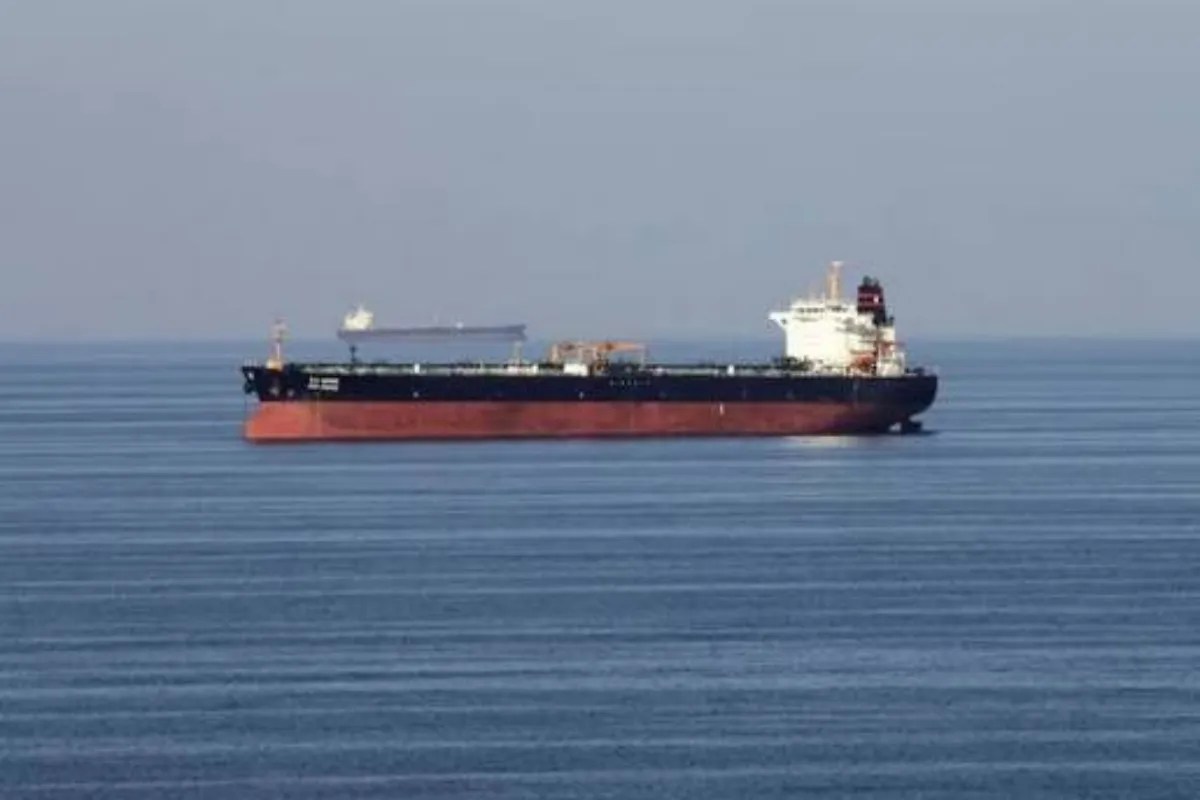
India's push into Iran's Chabahar port isn't just about maritime access. It's about bypassing historical roadblocks to reach landlocked markets. By utilizing the Shahid Beheshti terminal, shipments can bypass traditional obstacles, cutting transit times and overhead costs drastically.
For Kyrgyzstan, a nation tucked deep inside the mountains of Central Asia, this connectivity changes the game. Bishkek wants alternative commercial pathways, especially with global supply chains facing constant disruptions. When trade routes are diversified, local economies become resilient. Further analysis on the subject has been published by USA.gov.
Where the Numbers Fall Short
Let's look at the reality on the ground. Despite warm political ties and shared cultural affinities, bilateral trade turnover sat at roughly USD 120 million at the end of 2025. Honestly, that number is embarrassing for two regions with so much economic potential.
Bishkek is actively trying to fix this gap by inviting Indian investment into specific sectors:
- Mining and mineral extraction
- Information technology parks and software development
- Renewable energy projects
- Affordable pharmaceutical manufacturing
Investors often hesitate due to legal uncertainty, but the recent entry into force of the Agreement on Promotion and Mutual Protection of Investments provides hard safeguards. That is a concrete step, not just diplomatic talk.
Tourism, Tech, and People-to-People Ties
Beyond heavy infrastructure and trade ledgers, both governments are pushing to make travel easier. Niche tourism is a massive growth area. Think ecotourism around Lake Issyk-Kul, trekking through the Tien Shan mountains, and the "Great Silk Road 2.0" initiative featuring Hindi-language digital guides. Visa procedures for group tours are getting streamlined, which should help bridge the physical gap with cultural exchange.
Education is another practical frontier. Proposals like the Kyrgyz-Indian Centre for Educational Innovation at the Bishkek IT Park aim to create joint dual-degree programs in technology, medicine, and engineering.
The political alignment is already solid. With Kyrgyzstan stepping into a non-permanent seat on the UN Security Council and platforms like the India-Central Asia Dialogue coordinating regional stances, the groundwork is set.
If you want to track where this relationship is heading, keep an eye on how quickly cargo actually moves through Chabahar once regional leaders finalize their next round of multilateral agreements. Stop waiting for policy announcements to translate themselves into action; watch the trade manifests and shipping lanes.